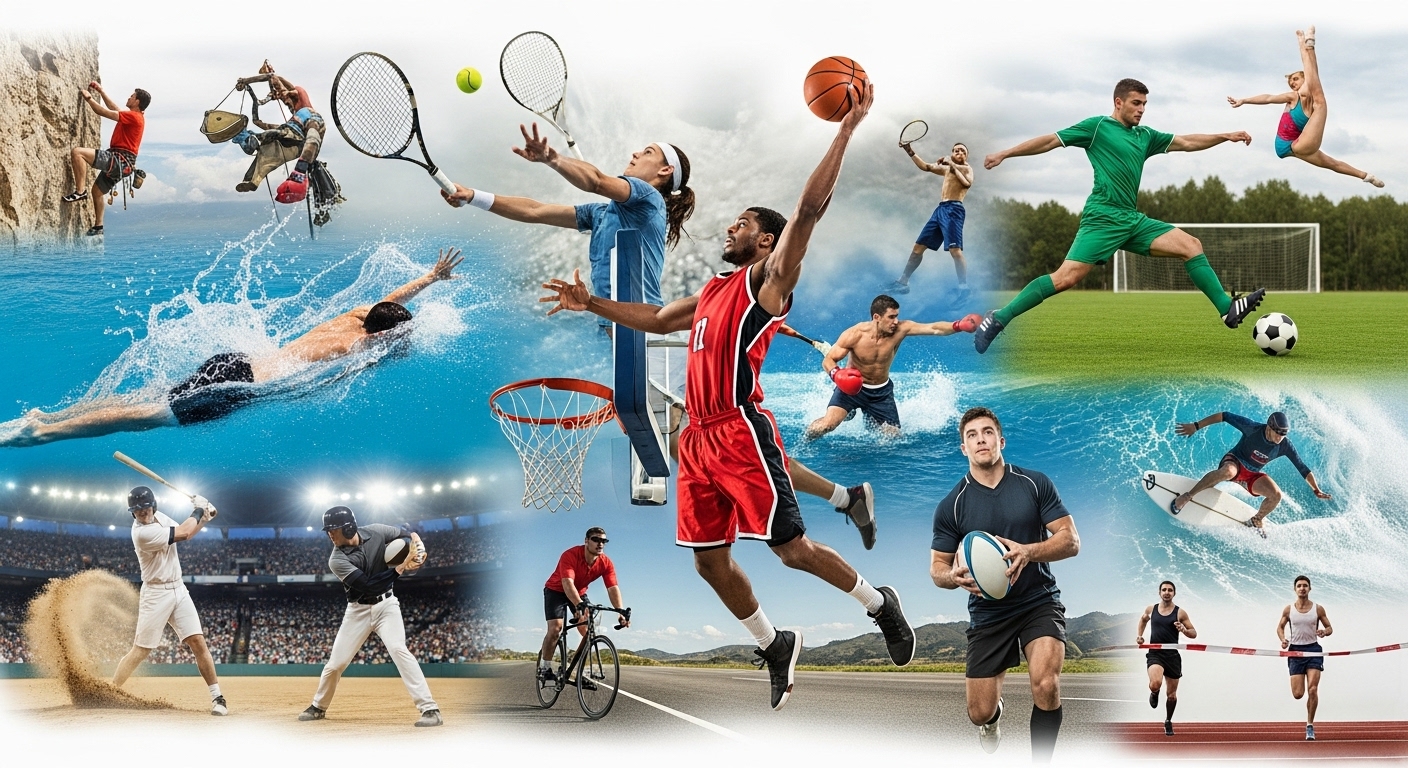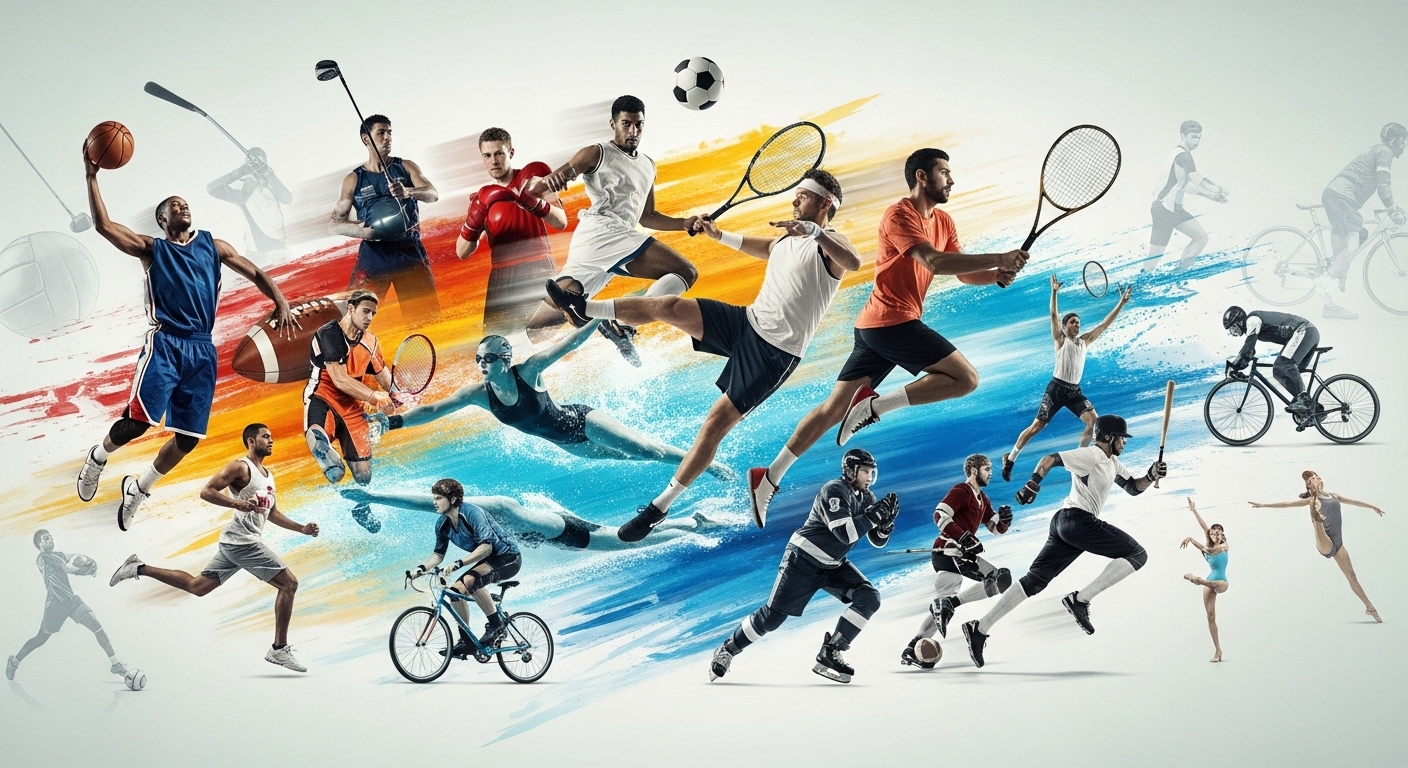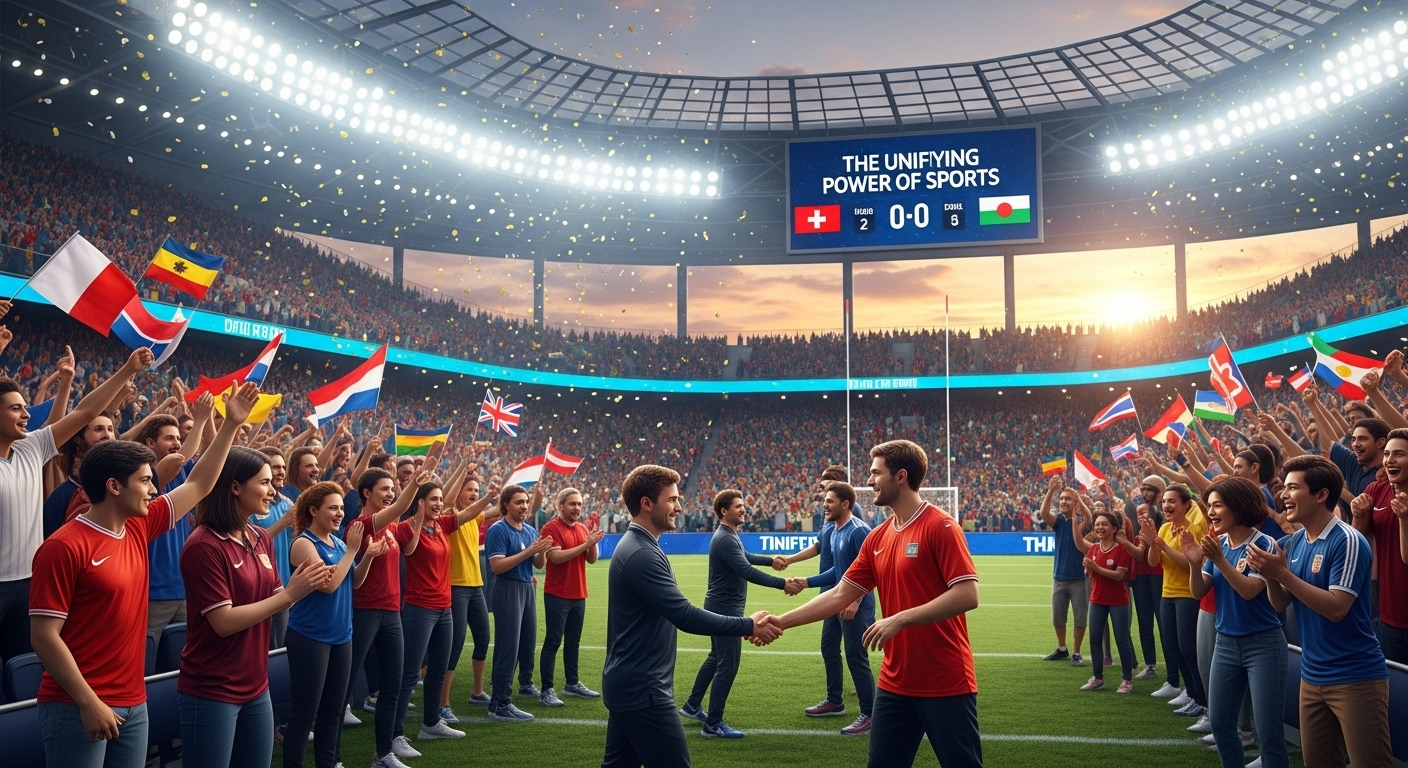
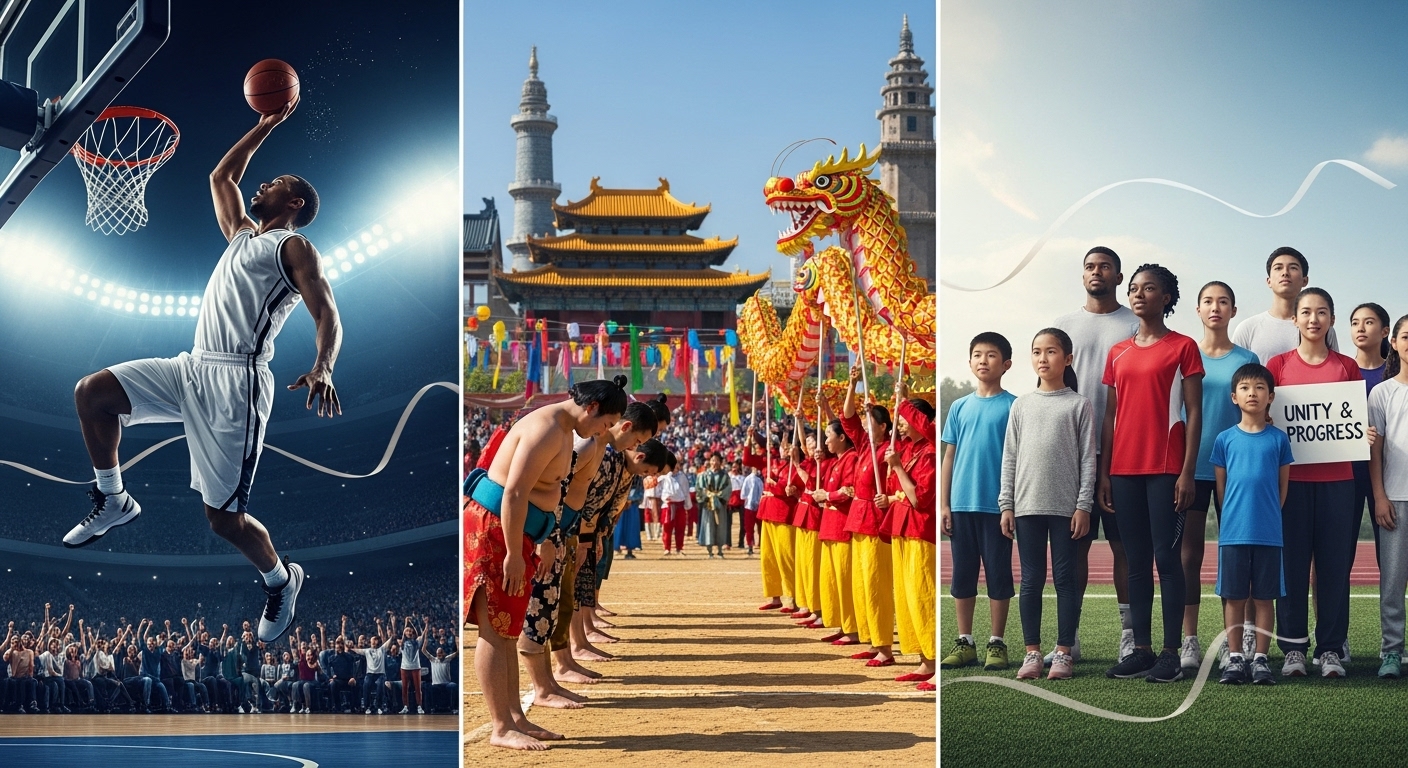
Sports have always been more than just games or competitions. They represent the strength, determination, and unity of humanity. From the earliest civilizations to the modern world of global championships, sports have inspired millions. They bring nations together, test physical and mental limits, and celebrate the power of teamwork, discipline, and endurance. In this blog, we will explore the vast world of sports, its history, importance, emotional connection, and how it continues to shape cultures and societies across the globe.
The Historical Roots of Sports
The history of sports stretches back thousands of years. Ancient humans used physical activities not only for survival but also for entertainment and skill development. Early forms of sports can be traced to Egypt, Greece, China, and the Americas. In ancient Greece, the Olympic Games were held to honor the gods, particularly Zeus. These early Olympics included running, wrestling, boxing, and discus throwing.
In China, sports such as archery and cuju (an early form of soccer) were played as both military training and social recreation. Similarly, in Egypt, activities like swimming, gymnastics, and wrestling were common among both nobles and soldiers.
Throughout the centuries, sports evolved from ritualistic and military purposes into organized entertainment. During the Roman Empire, gladiatorial combat was a brutal form of sport that attracted massive crowds. Although it was violent, it represented the empire’s fascination with strength and bravery.
The Modern Transformation of Sports
The Industrial Revolution and the rise of modern society transformed sports forever. The introduction of formal rules, organized leagues, and international competitions created a structure that made sports accessible to all. The modern Olympic Games, revived in 1896, became a global celebration of athletic excellence.
By the 20th century, sports became a major part of human life. The creation of organizations such as FIFA, the International Cricket Council, and the International Olympic Committee provided governance and standardization. Professional leagues emerged across sports like football, basketball, baseball, and tennis, turning athletes into global icons.
The expansion of mass media played a vital role in spreading sports culture. Radio, television, and later the internet made it possible for fans to watch live matches, follow their favorite athletes, and feel part of global sporting communities.
The Universal Language of Sports
Sports transcend language, culture, and religion. Whether you are watching a cricket match in India, a soccer game in Brazil, or a basketball contest in the United States, the emotions are the same—joy, tension, pride, and passion.
Sports teach values that go beyond the field: teamwork, respect, discipline, and perseverance. They unite communities in moments of triumph and sorrow alike. During major tournaments, entire nations stand still, united under one flag, cheering for their teams.
It doesn’t matter where you come from—sports connect people on a deeply emotional level. When an athlete achieves greatness, it feels like a victory for everyone who believes in hard work and dedication.
The Role of Sports in Education
Sports play a vital role in education and character development. In schools and colleges, participation in sports teaches students the importance of teamwork, leadership, and healthy competition. It builds self-confidence and helps young people learn to handle both victory and defeat with grace.
Physical education is not just about fitness but about developing life skills. Children who participate in sports tend to be more disciplined, focused, and motivated. They learn to manage time, set goals, and build resilience against challenges.
Furthermore, sports in education help to identify talent at an early age. Many world-class athletes began their journeys on school grounds. With proper training and support, schools can nurture future champions who can represent their nations on international stages.
Sports and the Power of Discipline
No athlete becomes great overnight. Behind every medal, trophy, or record is an endless amount of practice, patience, and discipline. Training for sports requires mental and physical endurance. Athletes must maintain strict routines, diets, and rest schedules to stay at the top of their game.
Discipline in sports extends beyond training. It involves respecting rules, opponents, and officials. Sportsmanship means playing fair, accepting results with humility, and always striving to improve. These lessons are not only for the field but for life itself.
The greatest athletes in history, from Muhammad Ali to Serena Williams, from Cristiano Ronaldo to Usain Bolt, have all emphasized the importance of hard work and discipline. Their success is built on years of commitment and a relentless pursuit of excellence.
The Global Influence of Major Sports
Every continent has its own passion when it comes to sports. In Europe and South America, football (soccer) dominates hearts. In the United States, basketball, baseball, and American football attract millions. In South Asia, cricket is more than a sport—it’s a religion.
Each sport carries cultural significance. For example, football brings together diverse backgrounds and communities, while cricket embodies strategy, patience, and elegance. The Olympic Games remain the symbol of international unity, where athletes from every corner of the globe compete peacefully for glory.
In addition, sports like rugby, tennis, athletics, swimming, and golf continue to grow in popularity. Emerging sports such as eSports are revolutionizing the concept of competition, attracting younger audiences and blending technology with traditional sporting values.
Women in Sports: Breaking Barriers
For centuries, women faced restrictions in participating in sports. However, the modern era has seen a revolutionary shift. Female athletes now compete at the highest levels and have become inspirations worldwide. From Billie Jean King’s fight for gender equality in tennis to the rise of icons like Simone Biles and Megan Rapinoe, women have proven that sports are for everyone.
The visibility of women’s sports has increased significantly. Leagues, tournaments, and sponsorships are recognizing female athletes’ achievements. Still, there is more to be done in terms of equal pay, coverage, and facilities.
Women in sports also serve as role models for younger generations, encouraging girls to dream big, break stereotypes, and believe in their power to compete and succeed.
The Psychological Side of Sports
While physical ability is essential, mental strength often determines success in sports. The pressure to perform, the fear of failure, and the emotional toll of competition can challenge even the strongest athletes.
Sports psychology has become a crucial part of modern training. Athletes learn techniques like visualization, mindfulness, and goal setting to manage stress and maintain focus. Confidence and mental resilience are as vital as physical power.
Moreover, sports can help improve mental health for everyone, not just professionals. Physical activity releases endorphins, reduces anxiety, and improves mood. Many people use sports as a way to cope with stress and build positive habits.
The Business of Sports
Sports are now a multibillion-dollar global industry. From broadcasting rights and sponsorships to merchandise and endorsements, the business side of sports influences economies and employment. Major events like the FIFA World Cup and the Olympics generate enormous revenue for host countries.
Athletes have also become global brands. Endorsements and social media have transformed how fans connect with sports figures. This economic growth benefits not only the athletes but also local communities, as sports-related tourism and infrastructure bring development opportunities.
However, with commercialization come challenges such as corruption, doping scandals, and unfair practices. Maintaining integrity and ethics in sports remains essential for preserving their true spirit.
The Technological Evolution in Sports
Technology has dramatically changed how sports are played, watched, and analyzed. Video replays, performance tracking, and data analytics help coaches and players improve strategies. Wearable devices monitor health and fitness, preventing injuries and optimizing performance.
Virtual reality and artificial intelligence are introducing new ways for fans to experience games. eSports, where gamers compete professionally, is now recognized as a legitimate sport in many countries.
Technology also helps ensure fairness through innovations like goal-line technology in football and Hawk-Eye in tennis and cricket. These tools enhance accuracy and trust in decision-making, ensuring justice in competitive play.
Sports and National Identity
Sports often symbolize national pride. Victories in international tournaments are celebrated as national achievements. When a team wins a world championship or an athlete sets a new record, it lifts the entire country’s spirit.
Events like the Olympics and World Cups serve as platforms where countries showcase their culture, talent, and unity. Sports can even bridge political divides, as seen in historic moments where games helped promote peace and diplomacy.
National identity and sports go hand in hand, as athletes become ambassadors of their homeland, representing not just their teams but their people’s values and dreams.
Sportsmanship and Ethics
True sportsmanship is about respect, honesty, and integrity. Winning is important, but how one wins matters even more. Cheating, doping, and unsportsmanlike behavior tarnish the beauty of sports.
Great athletes are remembered not only for their victories but for their character. Helping an injured opponent, accepting defeat gracefully, or showing humility in victory are examples of true sportsmanship.
Ethical sports behavior teaches society that success achieved with fairness and respect is the highest form of victory.
The Future of Sports
The future of sports promises exciting changes. With globalization and technology, new forms of sports and training methods will continue to evolve. The focus on sustainability, inclusion, and equality will shape the next generation of sports culture.
Youth participation is growing, and digital engagement through platforms and games is creating new fans. The combination of physical and virtual experiences will redefine how people connect with sports.
Despite these advancements, the essence of sports will remain unchanged—the celebration of human effort, competition, and unity.
Conclusion: The Endless Spirit of Sports
Sports are not merely competitions; they are reflections of life itself. They teach us to dream, to fail, to rise again, and to push beyond our limits. Every race, match, or game is a story of struggle and triumph.
From the dusty playgrounds to the grand stadiums, from amateurs to world champions, sports embody courage, teamwork, and hope. They remind us that greatness is not measured by victories alone but by the heart, spirit, and dedication behind every effort.
As long as humans exist, sports will continue to inspire, connect, and drive us forward. It is the eternal celebration of what makes us human—the desire to move, compete, and achieve greatness together.