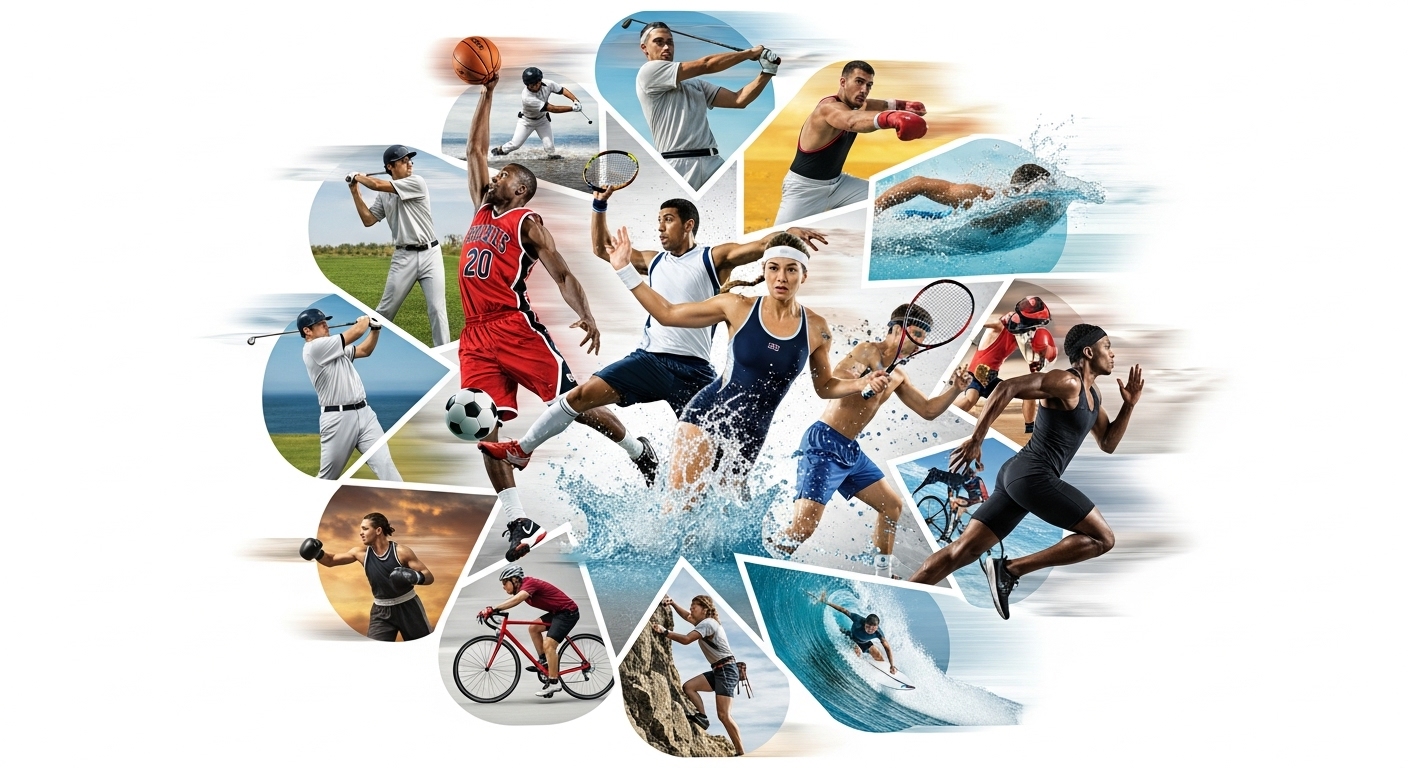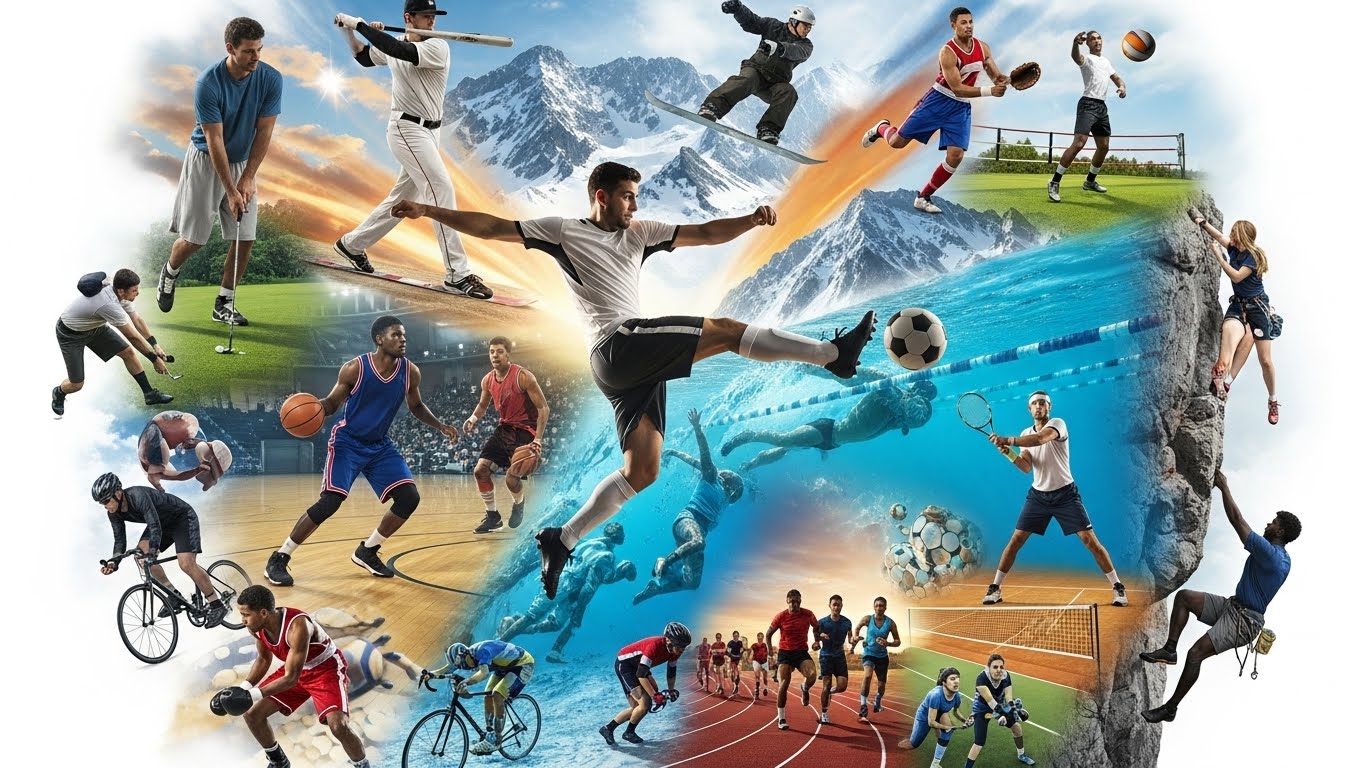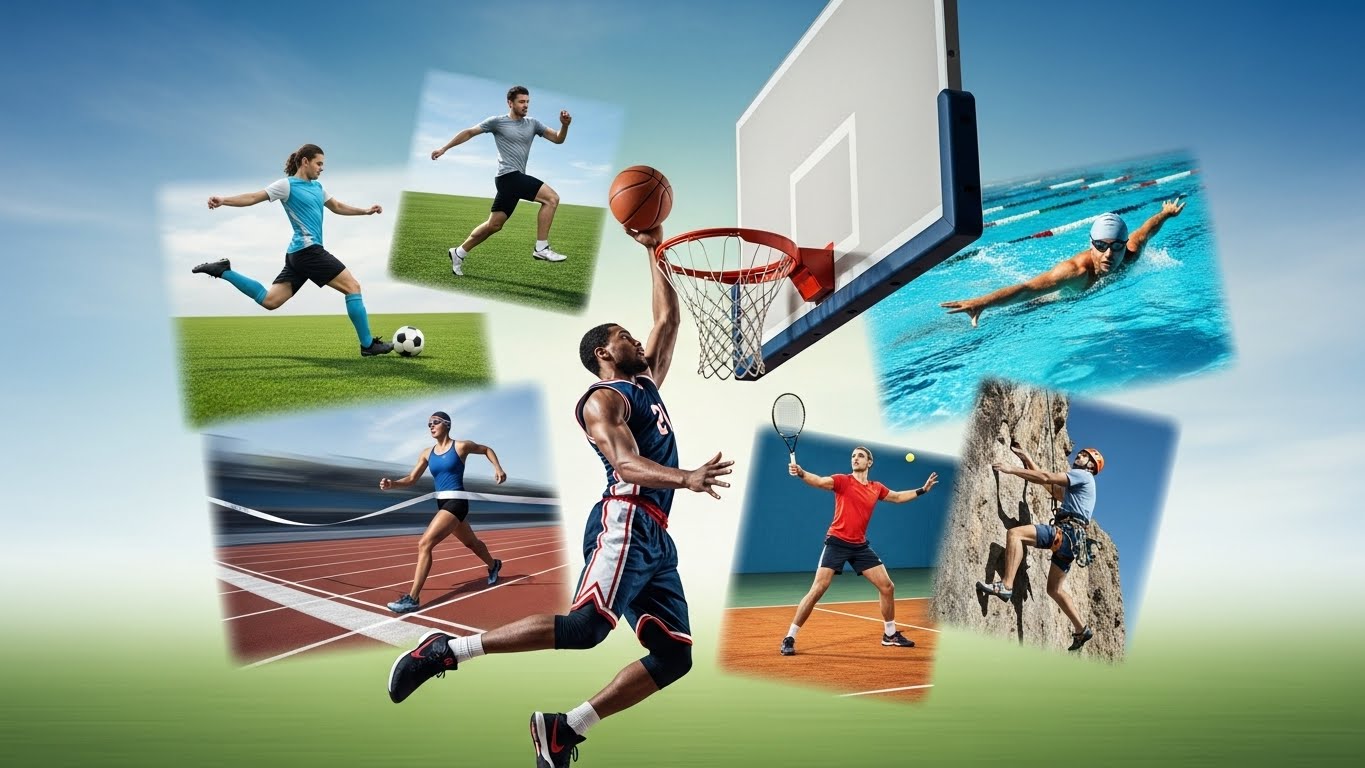

Sports are far more than just games. They represent human emotion, dedication, physical excellence, teamwork, and a quest for greatness. Across the world, sports unite nations, inspire individuals, and showcase the limits of human potential. From ancient arenas to modern stadiums, the essence of sports remains unchanged: competition, discipline, and the joy of participation. In this blog, we explore the multifaceted world of sports—its history, cultural impact, psychological value, and the way it continues to shape societies around the globe.
The Historical Roots of Sports
The history of sports is as old as civilization itself. From prehistoric times, humans have engaged in physical contests, whether for survival, ritual, or recreation. Ancient cave paintings depict hunting scenes that may have doubled as early forms of competition. The roots of organized sports can be traced back to ancient civilizations such as Greece, Rome, Egypt, and China. The Greeks, for instance, established the Olympic Games in 776 BC, a festival celebrating physical prowess and honoring the gods. These early Olympics included events like wrestling, running, discus throwing, and chariot racing. They not only highlighted athletic skill but also reflected Greek ideals of balance between mind and body.
In ancient Rome, sports took on a more brutal form. Gladiatorial games became a spectacle of power and entertainment, often with deadly outcomes. While today’s sports emphasize safety and fairness, these early games remind us of humanity’s enduring fascination with competition and drama. Similarly, traditional Chinese sports like martial arts and archery focused on discipline, self-control, and inner harmony, showing that even thousands of years ago, sports carried a philosophical dimension.
As societies evolved, so did their games. Medieval Europe saw the rise of jousting and tournaments, while indigenous cultures in the Americas developed ball games with spiritual significance. By the 19th century, with the spread of industrialization and modern education, sports became more organized and codified, leading to the birth of modern disciplines like soccer, cricket, rugby, and tennis.
The Rise of Modern Sports
The modern era of sports began in the late 19th and early 20th centuries when global communication and transportation made international competitions possible. The revival of the Olympic Games in 1896 symbolized a new global spirit of athleticism. Sports clubs, governing bodies, and professional leagues began to form, giving structure to previously informal games.
Soccer emerged as the world’s most popular sport, spreading rapidly from England to every corner of the globe. Cricket became deeply rooted in Commonwealth nations, while baseball captured the hearts of Americans and later spread to Asia. Basketball and volleyball, both American inventions, soon gained international recognition, especially after being included in the Olympics. This era also saw the development of women’s sports, breaking barriers and challenging gender norms.
Television revolutionized the sports industry in the 20th century. For the first time, millions could watch live events from their homes. Icons like Muhammad Ali, Pelé, Serena Williams, and Usain Bolt became global figures not only for their athletic achievements but also for their personalities and influence beyond sports. The rise of sports broadcasting turned games into massive entertainment industries, bringing in sponsorships, advertisements, and lucrative contracts for athletes.
The Globalization of Sports
Today, sports are a truly global phenomenon. Whether it is the FIFA World Cup, the Olympics, the NBA Finals, or Wimbledon, billions tune in to witness moments of glory, heartbreak, and triumph. The globalization of sports has fostered cultural exchange, international cooperation, and a sense of shared humanity. When athletes from around the world compete under their national flags, they become symbols of pride and unity for their people.
Globalization has also changed how sports are played and perceived. Training methods, sports science, and technology have become universal. Athletes often train in foreign countries, play in international leagues, and work with coaches from different cultural backgrounds. This cross-pollination of talent and ideas has elevated performance levels and expanded fan bases. For instance, European soccer clubs now feature players from every continent, and NBA teams recruit stars from countries as diverse as Greece, Serbia, and Cameroon.
However, globalization has also introduced new challenges. The commercialization of sports sometimes prioritizes profit over passion. Athletes face immense pressure from media, sponsors, and fans, often leading to mental health struggles. Despite these issues, the global appeal of sports continues to grow, uniting people across borders in ways few other things can.
The Psychology of Sports: Mind Over Muscle
While physical ability is essential, mental strength is often what separates good athletes from great ones. The psychology of sports has gained significant attention in recent decades, emphasizing the importance of focus, motivation, and emotional control. Every sport, from golf to gymnastics, requires not only physical skill but also mental resilience.
Sports psychologists help athletes cope with pressure, recover from setbacks, and maintain confidence. Visualization techniques, meditation, and goal-setting have become standard practices in professional training. The concept of the “flow state”—where an athlete performs effortlessly and instinctively—illustrates the power of the mind in achieving peak performance.
The psychological benefits of sports extend beyond professional athletes. For ordinary individuals, engaging in sports reduces stress, improves mood, and builds self-esteem. The sense of accomplishment after a good workout or a competitive match provides emotional satisfaction that carries into other areas of life. Team sports, in particular, foster communication skills, trust, and empathy, teaching players how to handle victory and defeat with grace.
The Role of Technology in Sports
Technology has transformed every aspect of sports—from how athletes train to how fans experience games. In training, wearable devices track heart rate, speed, and recovery, providing real-time data to optimize performance. Video analysis tools allow coaches to break down every movement, helping athletes correct mistakes and improve technique.
In competition, technology ensures fairness and precision. Systems like Hawk-Eye in tennis and VAR (Video Assistant Referee) in soccer have reduced human error in officiating. Advanced equipment, such as carbon-fiber bicycles, aerodynamic swimsuits, and lightweight running shoes, has pushed performance boundaries to new levels.
Fans too have benefited from technological innovation. High-definition broadcasts, instant replays, virtual reality, and social media engagement have made sports more interactive and accessible. The digital age has given rise to eSports—competitive video gaming—which now attracts millions of players and spectators, blurring the lines between physical and virtual competition.
The Cultural Impact of Sports
Sports are deeply woven into the cultural fabric of societies. They shape national identity, foster community spirit, and serve as platforms for social change. Major sporting events often become defining moments in a country’s history. When South Africa won the 1995 Rugby World Cup, it symbolized unity in a post-apartheid nation. When India lifted the Cricket World Cup in 1983, it ignited national pride and inspired generations.
Sports also influence music, fashion, and language. Jerseys, sneakers, and other sportswear have become style statements, transcending the boundaries of athletic use. Phrases like “home run,” “slam dunk,” and “knockout punch” have entered everyday vocabulary, demonstrating how sports metaphors permeate communication.
Beyond culture, sports have been powerful tools for activism. Athletes have used their platforms to speak out against injustice, discrimination, and inequality. From Muhammad Ali’s stand against the Vietnam War to Colin Kaepernick’s protest against racial injustice, sports figures have shown that the field of play can also be a stage for moral courage.
Sports and Education: Building Character and Discipline
Sports play a crucial role in education. They teach values that go far beyond physical ability—discipline, teamwork, leadership, and resilience. Students who participate in sports often perform better academically because they learn time management, goal-setting, and persistence. Physical education programs encourage healthy lifestyles and combat the growing issue of childhood obesity.
Moreover, sports build character. Facing defeat teaches humility, while victory encourages confidence. Teamwork fosters cooperation, communication, and a sense of belonging. In many schools and colleges, sports scholarships provide opportunities for talented athletes to pursue higher education, turning passion into profession.
The Economics of Sports
The sports industry is one of the largest in the world, worth trillions of dollars globally. It encompasses professional leagues, media rights, sponsorships, merchandise, and tourism. Mega-events like the Olympics and the FIFA World Cup generate enormous economic activity, boosting local economies and creating jobs. Cities compete to host these events, seeing them as opportunities for global visibility and infrastructure development.
However, the economics of sports also raise ethical questions. The commercialization of athletes, the rising costs of hosting events, and the influence of corporate sponsors can overshadow the spirit of fair play. Professional athletes earn millions, while grassroots programs sometimes struggle for funding. Balancing profit and passion remains one of the key challenges of modern sports management.
Gender Equality and Women in Sports
For much of history, sports were considered the domain of men. Women faced societal and institutional barriers that limited their participation. However, the 20th and 21st centuries have seen remarkable progress in women’s sports. Icons like Billie Jean King, Mia Hamm, Serena Williams, and Simone Biles have not only achieved greatness but also redefined gender norms.
The inclusion of women’s events in major competitions and the rise of professional leagues have brought greater visibility to female athletes. Yet, challenges remain—pay disparities, unequal media coverage, and lack of sponsorship continue to hinder progress. Advocates argue that empowering women in sports is not only a matter of fairness but also essential for inspiring future generations.
Women’s sports also showcase unique forms of teamwork, leadership, and resilience. They remind the world that athletic excellence knows no gender, and that inclusivity enriches the entire sporting landscape.
The Dark Side of Sports
While sports embody passion and positivity, they are not free from controversy. Issues such as doping, corruption, match-fixing, and exploitation of athletes have tarnished reputations and undermined trust. The use of performance-enhancing drugs remains one of the biggest ethical dilemmas, raising questions about integrity and fairness.
Corruption within governing bodies and manipulation of outcomes for financial gain erode public faith in the purity of competition. Additionally, young athletes sometimes face exploitation, with immense pressure from coaches, agents, and families to succeed at any cost. The mental health crisis among athletes—driven by expectations, criticism, and burnout—highlights the need for better support systems.
Despite these challenges, the sporting world continues to take steps toward transparency and reform. Anti-doping agencies, fair-play initiatives, and athlete welfare programs are making a difference, ensuring that the true spirit of competition prevails.
The Future of Sports
The future of sports looks both exciting and complex. Emerging technologies like artificial intelligence, data analytics, and virtual reality are reshaping training, performance analysis, and fan engagement. The integration of AI in sports medicine can predict injuries, enhance recovery, and personalize training regimens.
eSports, once dismissed as a niche hobby, now rivals traditional sports in popularity and revenue. The younger generation is redefining what competition means, merging digital skill with strategic thinking. Meanwhile, sustainability is becoming a major focus. Stadiums are being designed with eco-friendly materials, and organizations are promoting carbon-neutral events.
Inclusivity and diversity will also shape the future of sports. As social awareness grows, sports will continue to be platforms for equality and empowerment. The future athlete will not only be a performer but also a global citizen—responsible, conscious, and connected.
Conclusion: The Eternal Spirit of Sports
Sports are a mirror of humanity—reflecting our strengths, weaknesses, dreams, and struggles. They bring people together, transcend barriers, and teach lessons that go beyond the field. Whether it is a child kicking a ball in a dusty playground or a professional athlete standing on an Olympic podium, the essence remains the same: the pursuit of excellence and the joy of participation.
In a world often divided by politics, language, and culture, sports remind us of our shared humanity. They inspire us to push limits, respect others, and celebrate diversity. As long as there are people who strive to be faster, stronger, and better, the flame of sports will never fade. It will continue to burn as a symbol of hope, unity, and the enduring human spirit.