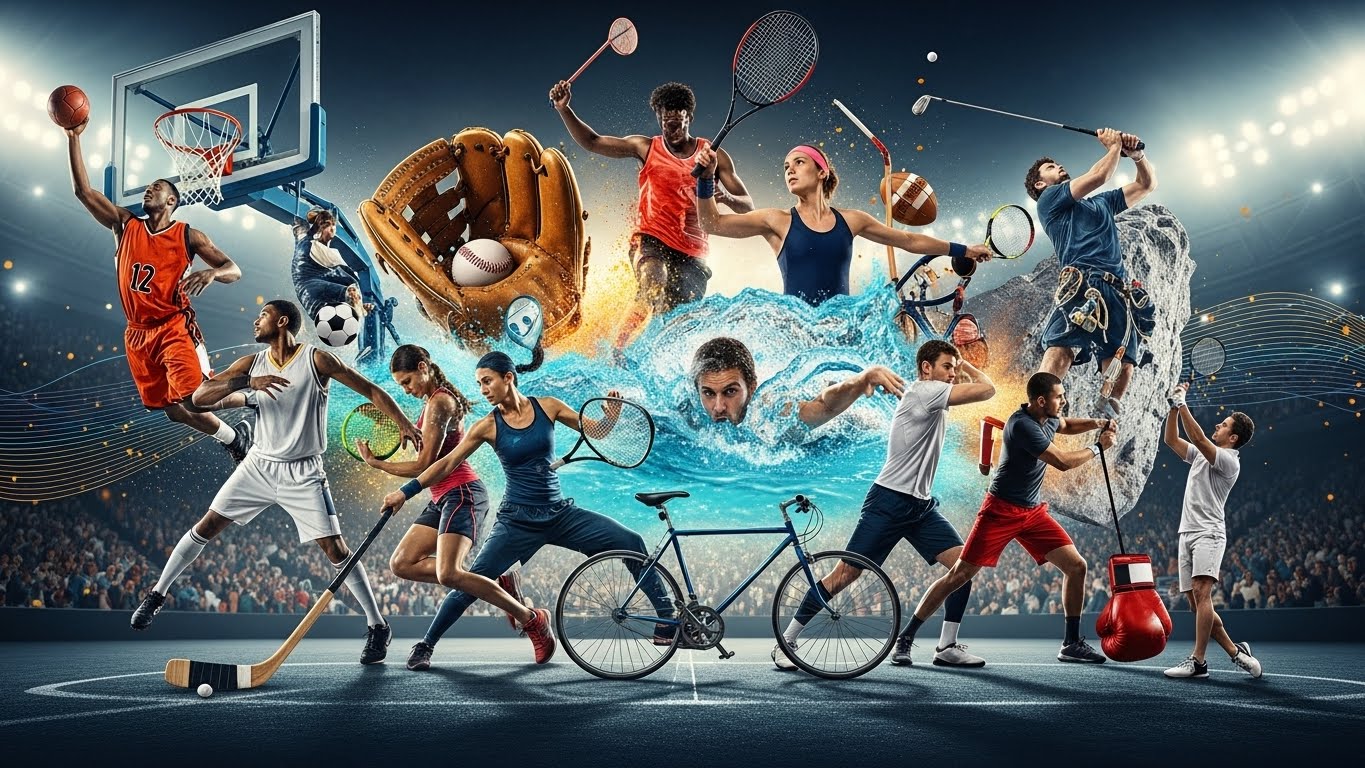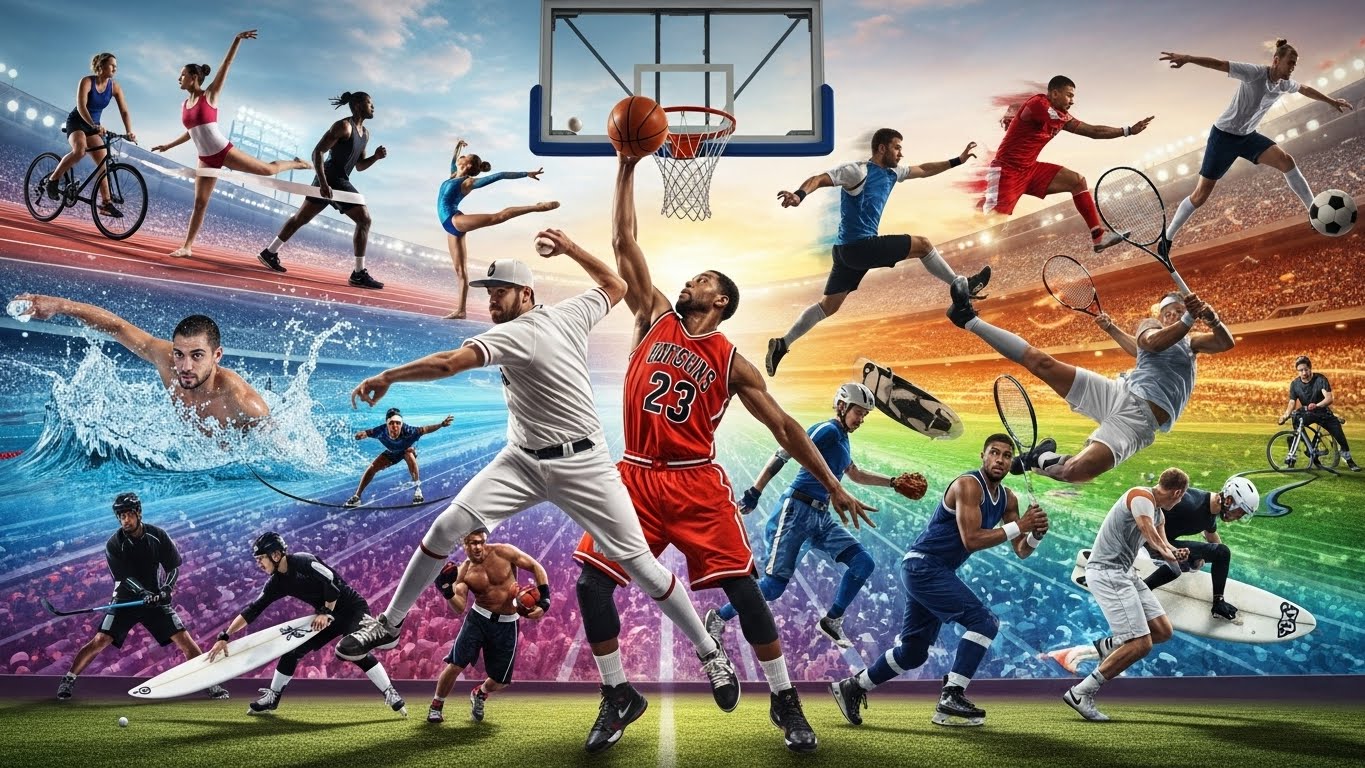

Sports are often seen as a form of entertainment, a way to stay fit, or simply a pastime. However, their significance extends far beyond what meets the eye. Sports shape societies, foster personal growth, create unity, and even impact economies. From local playgrounds to global arenas, the influence of sports is profound and far-reaching. This article delves into the many dimensions of sports, exploring why they are more than just a game.
The Universal Appeal of Sports
One of the most remarkable aspects of sports is their universal appeal. Regardless of language, culture, or age, sports create a common platform for people to connect. A game of football in Brazil, cricket in India, or basketball in the United States carries the same excitement, passion, and energy. Sports have a unique ability to bring people together, transcending borders and societal differences.
Major sporting events like the Olympics and World Cup highlight this universal language. People from all walks of life gather to celebrate athletic achievement, proving that sports can unite even in the face of cultural or political differences. They foster global camaraderie and remind us that shared experiences often outweigh our differences.
Sports as a Tool for Personal Development
Sports are more than physical activity; they are a powerful medium for personal growth. Participation in sports teaches discipline, perseverance, leadership, and resilience. Athletes learn to set goals, manage time, and overcome challenges. The lessons learned on the field often translate into everyday life, helping individuals navigate personal and professional obstacles with determination and confidence.
One of the most important life lessons sports teach is handling failure. Losing a match is inevitable, but how one responds to loss defines character. Resilience, patience, and the ability to bounce back are cultivated through sports, shaping individuals who are better prepared to face the challenges of life.
Physical Health Benefits of Sports
Physical activity is a cornerstone of sports, and its benefits are undeniable. Regular participation improves cardiovascular health, strengthens muscles, enhances flexibility, and boosts stamina. In a world where sedentary lifestyles are becoming increasingly common, sports provide an essential avenue for maintaining physical fitness.
Moreover, sports help prevent chronic illnesses such as obesity, diabetes, and heart disease. Consistent engagement in physical activity strengthens the immune system and improves overall longevity. For children and young adults, sports help in developing proper motor skills, coordination, and growth, laying the foundation for a healthy life.
Mental and Emotional Benefits of Sports
Sports also have profound mental and emotional benefits. Exercise triggers the release of endorphins, chemicals that improve mood and reduce stress. Regular participation can alleviate anxiety and depression while improving focus and cognitive function. For many, sports are a therapeutic outlet, providing relief from daily pressures and challenges.
Team sports, in particular, offer social interaction that fosters a sense of belonging. Being part of a team teaches communication, empathy, and conflict resolution. The friendships and bonds formed through sports often last a lifetime, offering emotional support and a sense of community.
Sports and Education
Sports play an important role in education, contributing to holistic development. Schools and colleges that emphasize sports provide students with opportunities to balance academics with physical activity. Participation in sports enhances concentration, time management, and critical thinking skills, all of which improve academic performance.
Athletes often learn the value of hard work and discipline early on. Balancing training and studies cultivates self-management and organizational skills. In addition, competitive sports encourage healthy rivalry and sportsmanship, teaching students to respect rules and fair play.
Social Impact of Sports
Sports have the power to influence society and drive social change. They can challenge stereotypes, promote equality, and inspire communities. Iconic athletes have historically used their platforms to address social issues, advocate for human rights, and fight discrimination. Their actions off the field often carry as much weight as their achievements on it.
Community sports programs are also instrumental in promoting social inclusion. They provide opportunities for underprivileged individuals, fostering teamwork, confidence, and life skills. By bridging gaps in society, sports act as a vehicle for positive change, empowering communities and nurturing talent.
Economic Influence of Sports
Sports are a major contributor to the global economy. Professional leagues, tournaments, merchandise, sponsorships, and broadcasting rights generate billions of dollars annually. Sporting events create employment opportunities across various sectors, including coaching, fitness, media, and event management.
Beyond direct revenue, sports stimulate tourism and local businesses. Major events attract visitors from around the world, boosting hotel, transportation, and hospitality industries. The economic influence of sports extends beyond athletes, creating a complex ecosystem that supports millions of livelihoods.
Sports and Cultural Identity
Sports often become intertwined with cultural identity. National teams and local clubs inspire pride and unity among supporters. Fans adopt team colors, chants, and rituals, creating a shared cultural experience. Sports can serve as a reflection of societal values, tradition, and collective history.
For many countries, sports are a source of national pride. Cricket in India, soccer in Brazil, and rugby in New Zealand are more than games; they are part of the national narrative. Victories on the field often translate to national celebrations, reinforcing a sense of identity and belonging.
Technological Advancements in Sports
Technology has transformed the way sports are played, analyzed, and consumed. Advanced equipment, wearable devices, and performance analytics help athletes optimize training and reduce injuries. Broadcasting innovations allow fans to experience games in unprecedented ways, while virtual reality and augmented reality are making sports more immersive than ever before.
Technology has also democratized access to sports knowledge and training. Online tutorials, virtual coaching, and simulation tools allow aspiring athletes to learn and improve, regardless of location. This intersection of sports and technology is shaping the future of athletic performance and fan engagement.
Inclusivity and Diversity in Sports
Sports are increasingly embracing inclusivity and diversity. Efforts to promote women’s participation, adaptive sports for individuals with disabilities, and programs for marginalized communities are reshaping the sporting landscape. Inclusivity ensures that talent, not background, dictates opportunity.
Diverse participation enhances the richness of competition and broadens the appeal of sports. It fosters mutual respect and understanding among athletes from different cultures and backgrounds. Sports can be a powerful platform for promoting equality and breaking down social barriers.
The Future of Sports
The future of sports promises exciting evolution. Emerging trends like esports, virtual competitions, and sustainable sporting events are redefining what it means to participate in and enjoy sports. Advanced sports science will continue to push the limits of human performance, while environmental consciousness is transforming how events are organized.
Despite technological and societal changes, the essence of sports will remain the same. The pursuit of excellence, the thrill of competition, and the joy of play will continue to inspire generations, ensuring that sports remain a cornerstone of human experience.
Conclusion
Sports are far more than physical activity; they are a powerful force that shapes individuals, communities, and societies. They teach resilience, foster unity, promote health, and drive economic and cultural growth. From local playgrounds to global arenas, sports offer lessons that transcend the field, instilling values of discipline, teamwork, and perseverance.
In a world often divided by differences, sports remind us of our shared humanity. They encourage us to strive for greatness, support each other, and celebrate collective achievement. Engaging with sports is not just about winning or losing—it is about experiencing the human spirit at its best. Sports are a celebration of life, connection, and the endless pursuit of excellence.