
Introduction
Sports are more than physical contests; they are a celebration of the human spirit. Across the world, from small village playgrounds to grand stadiums, sports bring people together in ways few other activities can. They teach discipline, teamwork, perseverance, and respect—values that shape individuals and societies alike. Throughout history, sports have been a reflection of human passion, competition, and unity. They remind us that winning is not just about the score but about effort, courage, and the will to rise after failure.
In today’s modern age, sports have become a universal language that transcends borders and cultures. Whether one watches or plays, the thrill, emotion, and excitement remain the same. The influence of sports goes beyond physical fitness; it affects education, mental health, social equality, and even national identity.
The Historical Evolution of Sports
Sports have existed since the earliest civilizations. Ancient Egyptians played wrestling and ball games as part of their rituals. The Greeks created the Olympic Games to honor their gods and celebrate physical excellence. In ancient China, archery and martial arts were not only exercises but also symbols of discipline and harmony.
As societies advanced, sports evolved into structured competitions with defined rules. The Industrial Revolution brought new sports such as football, cricket, and tennis, which spread across continents through trade and colonization. These games soon became a global passion, shaping traditions and identities.
Today, sports have turned into an industry worth billions, yet their essence remains the same—to push human limits, encourage teamwork, and build character. Despite technological advancements, the emotional connection between players and spectators continues to be timeless.
Sports as a Foundation of Character
Sports are among the best teachers of life’s greatest lessons. They nurture values like honesty, persistence, and sportsmanship. An athlete learns to win gracefully and lose with dignity, which helps in building emotional resilience. These experiences develop maturity and humility that extend beyond the playing field.
Team sports such as football, hockey, and basketball emphasize cooperation, while individual sports like tennis, athletics, or swimming teach self-discipline and focus. Every player understands the importance of effort, time, and patience in achieving success. These principles also prepare individuals to face challenges in personal and professional life.
Moreover, sports teach accountability. Every decision on the field has consequences—just as in real life. This awareness builds responsibility and leadership qualities, turning players into role models for future generations.
The Physical and Mental Benefits of Sports
Sports are the key to a healthy and active lifestyle. Regular participation strengthens the heart, muscles, and bones. It improves flexibility, endurance, and overall energy levels. Children who engage in sports from an early age develop stronger immune systems and better physical coordination.
However, the benefits are not limited to the body. Sports play an equally vital role in maintaining mental health. Physical activity releases endorphins, often known as happiness hormones, which help reduce stress, anxiety, and depression. Athletes learn how to manage pressure and stay focused, even in tough situations.
In an era where screen time and sedentary habits dominate, sports provide a much-needed balance. They encourage movement, outdoor activity, and social interaction—key components of a healthy and fulfilling life.
Sports as a Unifying Force
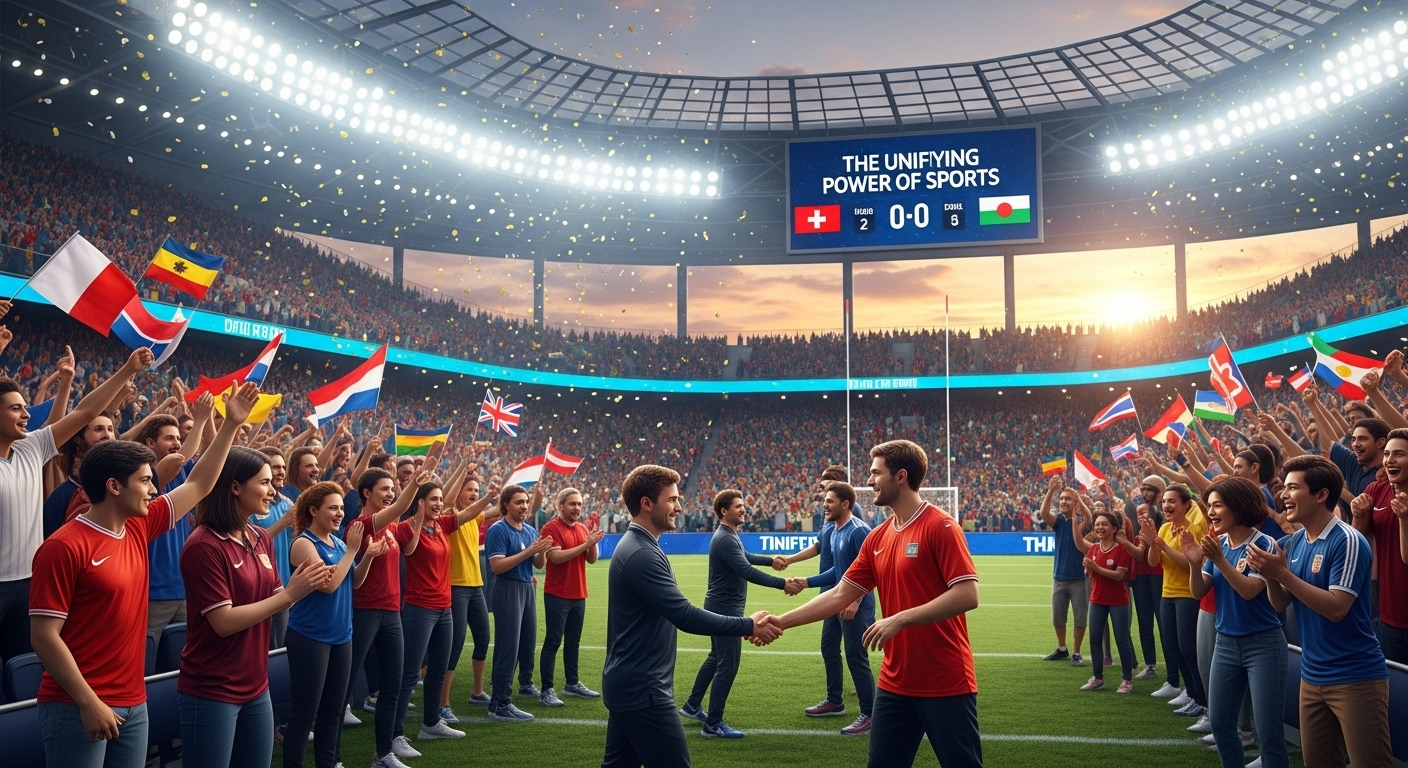
Sports have a unique power to unite people, regardless of culture, religion, or nationality. When a country competes in a global event, its citizens come together, forgetting differences and standing united in support of their team. That collective emotion, pride, and enthusiasm strengthen social bonds and national identity.
Major sporting events such as the Olympics or the World Cup showcase humanity’s ability to coexist peacefully through competition. They demonstrate that rivalry does not have to mean conflict; it can inspire respect and admiration among nations.
At the local level, community sports bring neighborhoods together. A small cricket match, football tournament, or school race creates joy, connection, and memories. This sense of unity is what makes sports not just a physical activity but a cultural and emotional experience.
Women in Sports: Breaking Barriers and Redefining Strength
The role of women in sports has transformed remarkably over time. Once restricted to limited participation, women now compete at the highest levels and inspire millions around the world. Female athletes have proven that strength, skill, and determination know no gender.
Icons such as Serena Williams, Simone Biles, and Mary Kom have shown that perseverance can overcome all barriers. Their achievements have redefined global perceptions of female athletes, encouraging more girls to follow their passion for sports.
Women’s participation in sports also plays a crucial role in promoting gender equality. It empowers them to challenge stereotypes, gain confidence, and become leaders in their fields. Equal opportunities, pay, and recognition in sports are not just women’s rights issues—they are steps toward building a fairer and more inclusive society.
The Role of Sports in Education
Sports and education go hand in hand. Schools that promote physical activities alongside academics help in creating well-rounded individuals. Students who play sports learn teamwork, discipline, and leadership—qualities that enhance their academic and personal success.
Physical education improves focus, memory, and creativity. It teaches students to manage their time effectively, balancing studies and extracurricular activities. Sports also build confidence and social skills, helping young people overcome shyness and develop a sense of belonging.
Furthermore, many educational institutions use sports as a tool for moral education. Fair play, respect for opponents, and adherence to rules become guiding principles that shape character. When children grow up with such values, they become responsible and compassionate adults.
Technology’s Transformation of Sports
Technology has revolutionized the world of sports in countless ways. From advanced training equipment to digital performance tracking, athletes today have access to tools that enhance their preparation and recovery. High-speed cameras and analytics help coaches analyze every movement, improving technique and strategy.
For spectators, technology has made sports more engaging. Instant replays, virtual reality experiences, and live score tracking allow fans to experience the thrill of every moment, no matter where they are.
Even sports medicine has benefited from technological innovation. Modern treatment and rehabilitation methods help injured players recover faster and return stronger. Artificial intelligence and wearable devices continue to push the limits of performance and precision.
Yet, despite these advancements, the soul of sports remains human. No amount of technology can replace passion, dedication, or teamwork—the true essence that defines every athlete.
The Social and Economic Impact of Sports
Sports are not just games; they are engines of economic and social development. Hosting major tournaments creates employment, boosts tourism, and improves infrastructure. Local sporting events bring business to communities and encourage investment in facilities and youth programs.
On the social level, sports have the power to change lives. They provide opportunities for underprivileged youth, teaching them skills that can lead to better futures. Many athletes come from humble backgrounds and rise to global fame through sheer determination, inspiring others to dream big.
Governments and organizations worldwide use sports to promote peace, health awareness, and social inclusion. They encourage teamwork among communities and bridge divides, proving that sports can be a tool for positive change.
The Challenges Facing Modern Sports
Despite their many advantages, sports today face several challenges. The commercialization of games often overshadows the true spirit of competition. Corruption, doping, and match-fixing have damaged the credibility of certain sports. These issues need strong ethical standards and transparent management to restore trust.
Another significant challenge is mental health. The pressure to perform, maintain image, and meet expectations can take a toll on athletes. Many have spoken about the emotional strain behind the spotlight. It is essential for sporting organizations to provide support systems that prioritize mental well-being as much as physical training.
Access to sports is also unequal. Many talented individuals never get the chance to develop their skills due to lack of resources or facilities. Addressing these inequalities is crucial for nurturing global talent and maintaining the inclusivity that sports stand for.
The Spirit of Sportsmanship
True sportsmanship lies not in victory but in the way one plays the game. It means respecting opponents, accepting outcomes gracefully, and staying humble regardless of success or failure. This spirit defines the moral foundation of sports.
An athlete who competes with integrity earns respect far beyond any trophy. Sportsmanship teaches forgiveness, fairness, and empathy—qualities that contribute to harmony both on and off the field. The essence of sports is not limited to competition but extends to compassion, cooperation, and mutual respect.
The Future of Sports
The future of sports looks dynamic and promising. With globalization and digital innovation, more people have access to sports than ever before. Youth engagement is growing, and sports are increasingly recognized for their role in promoting health, education, and equality.
Sustainable practices are also becoming part of sports culture. Eco-friendly stadiums, recycling initiatives, and awareness campaigns show that sports can lead environmental change. As technology continues to evolve, the balance between progress and human spirit will define the next era of athletic excellence.
Conclusion
Sports are a mirror of human strength, resilience, and unity. They connect hearts, shape minds, and build nations. From ancient arenas to modern stadiums, the values of courage, teamwork, and fairness remain timeless.
Every athlete’s journey, whether victorious or not, tells a story of dedication and hope. Every spectator’s cheer echoes the universal belief in effort and excellence. Sports teach us that life, like a game, is about participation, perseverance, and passion.
In the end, the true victory lies not in winning medals but in embracing the lessons that sports teach—the value of honesty, the joy of teamwork, and the endless spirit of never giving up.
Word Count: 1,5