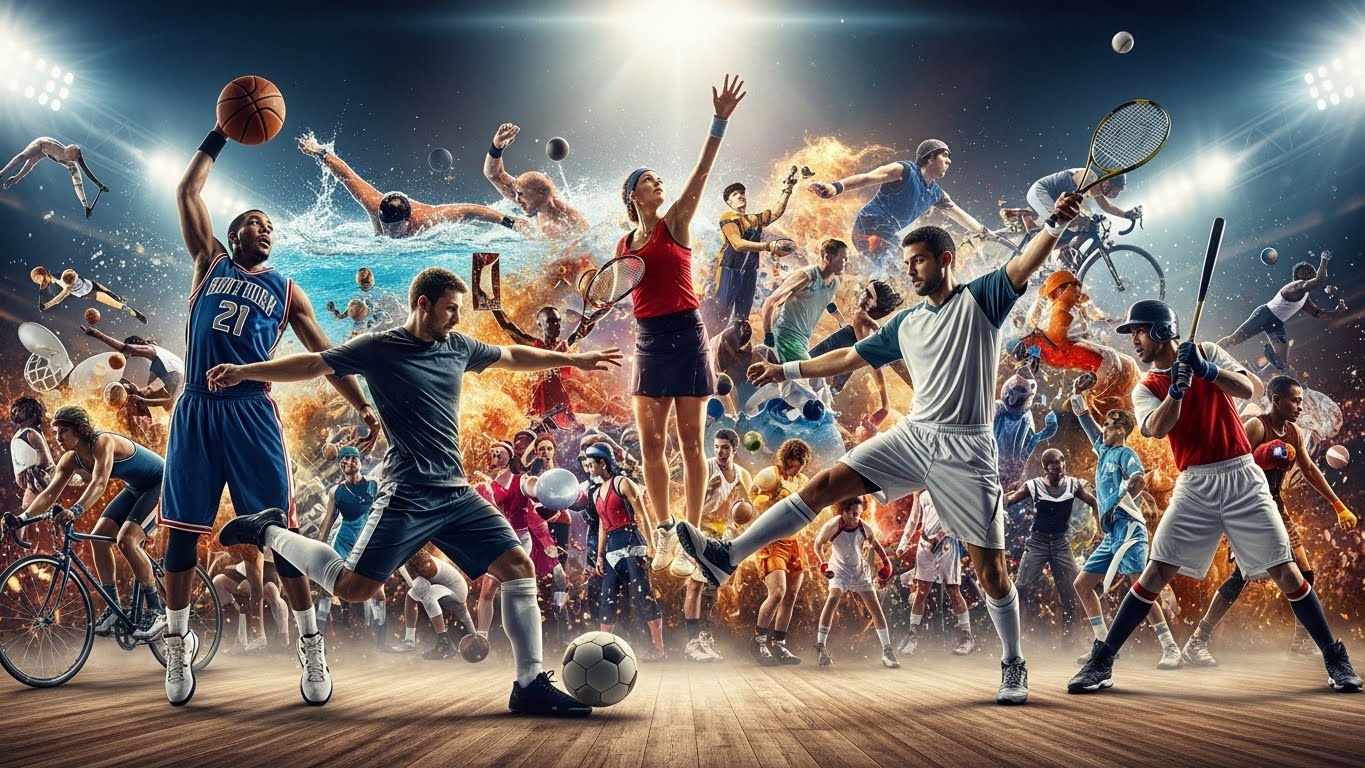

Introduction: Sports as a Universal Language
Sports are not just games or competitions. They are a universal language that transcends cultural, geographical, and social boundaries. From the streets of small towns to the grand arenas of international competitions, sports have the power to unite people, ignite passion, and influence every aspect of life. Whether it’s the excitement of the World Cup, the spectacle of the Olympic Games, or the local community soccer match, sports play an undeniable role in shaping not only individual lives but also the fabric of society.
The impact of sports extends far beyond the playing field. It influences health, personal growth, cultural development, economic growth, and even political movements. Sports have become a global phenomenon that affects millions of lives daily, offering both entertainment and valuable lessons. In this blog post, we will explore the far-reaching influence of sports and their role in shaping the world around us.
The Physical Benefits: A Path to Better Health
The first and most obvious benefit of sports is the positive impact it has on physical health. Regular participation in sports is an essential part of maintaining a healthy and active lifestyle. Engaging in physical activities helps to improve cardiovascular health, build strength, increase flexibility, and maintain a healthy weight. Whether it’s running, swimming, cycling, or playing team sports like soccer and basketball, the physical benefits of sports are immense.
For children and adolescents, sports are vital for developing motor skills, coordination, and agility. They help children grow stronger, improve their bone density, and enhance their overall physical capabilities. The habits formed through youth sports often carry over into adulthood, promoting a lifetime of fitness and well-being.
For adults, sports are an excellent way to stay fit and healthy, especially in an era where many jobs and daily activities are sedentary. With the rise of sedentary lifestyles and associated diseases like obesity and heart disease, sports provide an important counterbalance. Whether through organized league play, gym sessions, or casual fitness activities, sports play a crucial role in maintaining physical health and preventing chronic diseases.
Mental Health Benefits: Strengthening the Mind
While the physical benefits of sports are well known, the mental advantages are equally significant. Participating in sports offers an outlet for stress, anxiety, and emotional well-being. Physical exercise triggers the release of endorphins, the brain’s natural “feel-good” chemicals, which reduce stress and promote a positive mood. Whether it’s a tough workout session, a competitive game, or a leisurely run, the mental benefits of physical activity are clear.
In addition to stress relief, sports contribute to improved cognitive function and mental clarity. The focus required in sports enhances concentration, attention, and memory. This can translate into better performance at work or school, as the mental discipline learned through sports can be applied to other areas of life.
Sports also provide a platform for building resilience and emotional strength. Athletes face both victories and defeats, and learning how to cope with setbacks is a vital life skill. Sports teach individuals to remain focused and persistent in the face of adversity, fostering mental toughness. The ability to bounce back from failure and strive for improvement is a skill that extends far beyond the playing field and is applicable in all aspects of life.
Social and Cultural Impact: Uniting People Across Boundaries
One of the most profound impacts of sports is their ability to unite people from different backgrounds, cultures, and beliefs. No matter where you come from, sports offer a platform for shared experiences and mutual understanding. Whether it’s cheering for a local team or supporting a national squad in international competitions, sports create a sense of camaraderie that bridges divides.
At the global level, sports events like the FIFA World Cup, the Olympics, and the Rugby World Cup have a unifying effect. These events bring together millions of people from all over the world, fostering a sense of international solidarity and shared purpose. For the duration of these competitions, national identities are set aside, and the world comes together to celebrate athletic excellence.
On a smaller scale, sports play an important role in local communities. Community sports teams, leagues, and recreational clubs provide people with the opportunity to meet others, forge friendships, and develop a sense of belonging. Team sports, in particular, teach collaboration and encourage communication, which are essential in building strong communities. People from different social, economic, and ethnic backgrounds can form close bonds through their love for the game, which fosters social cohesion.
Sports as a Tool for Social Change and Political Activism
Throughout history, sports have not only served as a form of entertainment but also as a platform for political and social change. From the civil rights movement in the United States to apartheid in South Africa, athletes have used their platforms to advocate for justice, equality, and human rights. The power of sports as a tool for social change is profound, as it can reach millions of people worldwide and inspire action.
One of the most famous examples of this is the 1968 Olympic protest by Tommie Smith and John Carlos, who raised their fists in a Black Power salute during the medal ceremony. This act of defiance became a symbol of resistance against racial inequality and oppression in the United States. Similarly, athletes like Muhammad Ali used their fame to challenge social norms and fight for civil rights.
In more recent times, athletes like Colin Kaepernick have used their platforms to protest racial injustice, particularly in relation to police brutality. By kneeling during the national anthem, Kaepernick sparked a nationwide conversation about race and inequality, using his position in the sports world to advocate for societal change.
Sports have also played a role in promoting gender equality. Female athletes have fought for recognition, equal pay, and opportunities in a historically male-dominated field. Figures like Billie Jean King, Serena Williams, and Simone Biles have used their fame to challenge gender norms, inspire young girls, and promote equal treatment for women in sports.
Economic Impact: The Business of Sports
The sports industry is a massive economic engine, contributing billions of dollars to the global economy each year. Professional sports leagues, tournaments, and events generate enormous revenue through ticket sales, broadcasting rights, sponsorships, merchandise, and tourism. The growth of the sports industry has created millions of jobs worldwide, ranging from athletes and coaches to media professionals, event organizers, and marketers.
Major sporting events, such as the Olympics or the Super Bowl, bring in millions of dollars in revenue for host cities and countries. These events attract international visitors, boost tourism, and create a temporary economic boom. Cities that host these events invest heavily in infrastructure, including sports venues, transportation systems, and hospitality services, which have long-term benefits for local economies.
Furthermore, the sports industry supports numerous sectors beyond the games themselves, including sports apparel, broadcasting, and media. Companies like Nike, Adidas, and Under Armour generate significant revenue from their partnerships with professional athletes and sports teams. Media outlets like ESPN, Fox Sports, and NBC have made sports broadcasting a multi-billion-dollar industry, reaching millions of fans globally.
Youth Sports: Nurturing the Future
Youth sports are crucial for the development of future generations. Participating in sports at a young age teaches children important life skills, such as teamwork, discipline, leadership, and perseverance. These skills are not only essential for athletic success but also for personal and academic growth. Sports instill a strong work ethic, teach kids how to set goals, and encourage them to pursue excellence in all areas of life.
In addition to physical benefits, youth sports provide an outlet for emotional growth. Children who participate in sports develop self-confidence, learn how to handle failure, and gain a sense of accomplishment. The camaraderie and friendships formed through youth sports often last a lifetime, contributing to an individual’s overall well-being.
Youth sports also offer a safe and structured environment for children to stay active, particularly in a world where screen time and sedentary lifestyles are becoming increasingly common. By participating in organized sports, children have the opportunity to develop healthy habits that can continue into adulthood, promoting lifelong physical activity and fitness.
The Global Impact of E-Sports: A New Frontier
While traditional sports continue to dominate the global stage, a new frontier has emerged in the form of e-sports. Competitive video gaming has exploded in popularity over the last decade, with millions of players and fans around the world. E-sports tournaments now attract large audiences, with players competing for substantial prizes and sponsorships.
E-sports offer many of the same benefits as traditional sports, such as teamwork, strategy, and mental focus. They have also become a lucrative industry, with professional teams, leagues, and streaming platforms like Twitch and YouTube offering new career opportunities for players, commentators, and content creators.
E-sports represent a shift in how we define sports in the digital age, highlighting the importance of mental agility, hand-eye coordination, and strategic thinking. While some may debate whether e-sports should be classified as “real” sports, there’s no denying that they have become an influential force in the global entertainment landscape.
Conclusion: The Enduring Legacy of Sports
Sports are far more than just games. They are a powerful force that shapes lives, cultures, economies, and societies. From improving physical health and mental well-being to fostering unity and inspiring social change, sports have an enduring impact on the world. They teach us valuable lessons about perseverance, teamwork, and resilience while offering opportunities for personal growth and global connection.
As we look to the future, it’s clear that sports will continue to evolve and adapt. Whether through the rise of e-sports, the ongoing fight for equality in women’s sports, or the continued global dominance of traditional sports like soccer and basketball, sports will remain a central part of the human experience. With their ability to inspire, unite, and transform, sports will continue to shape our world for generations to come.