Introduction
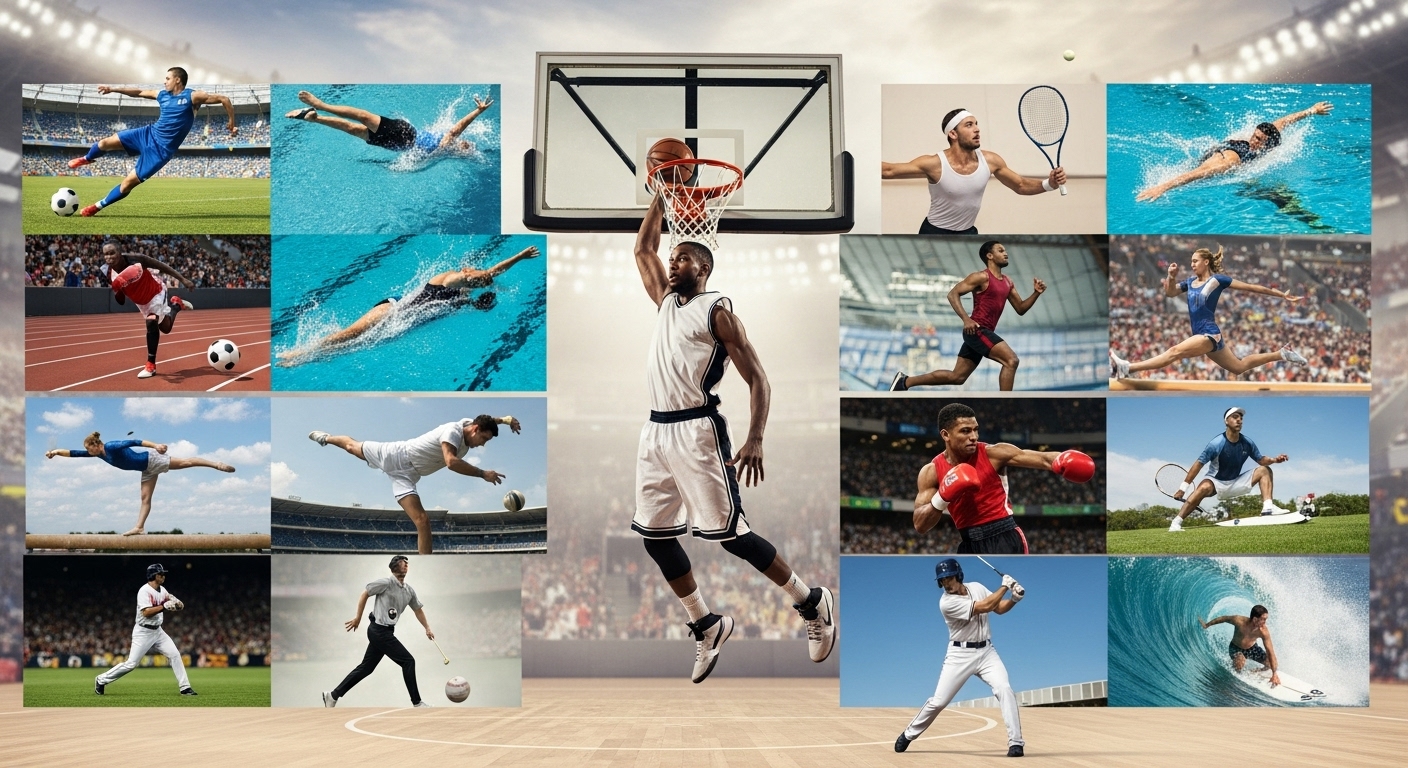
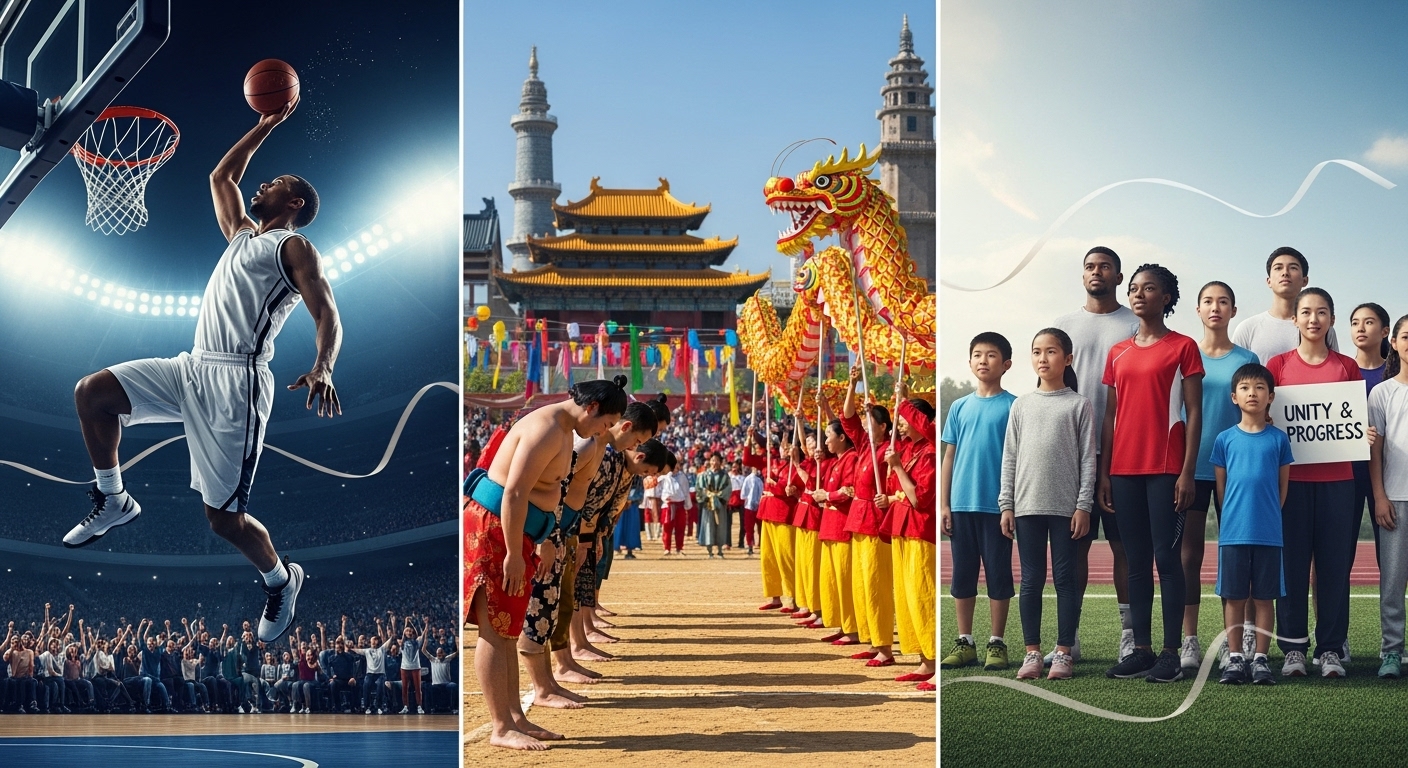
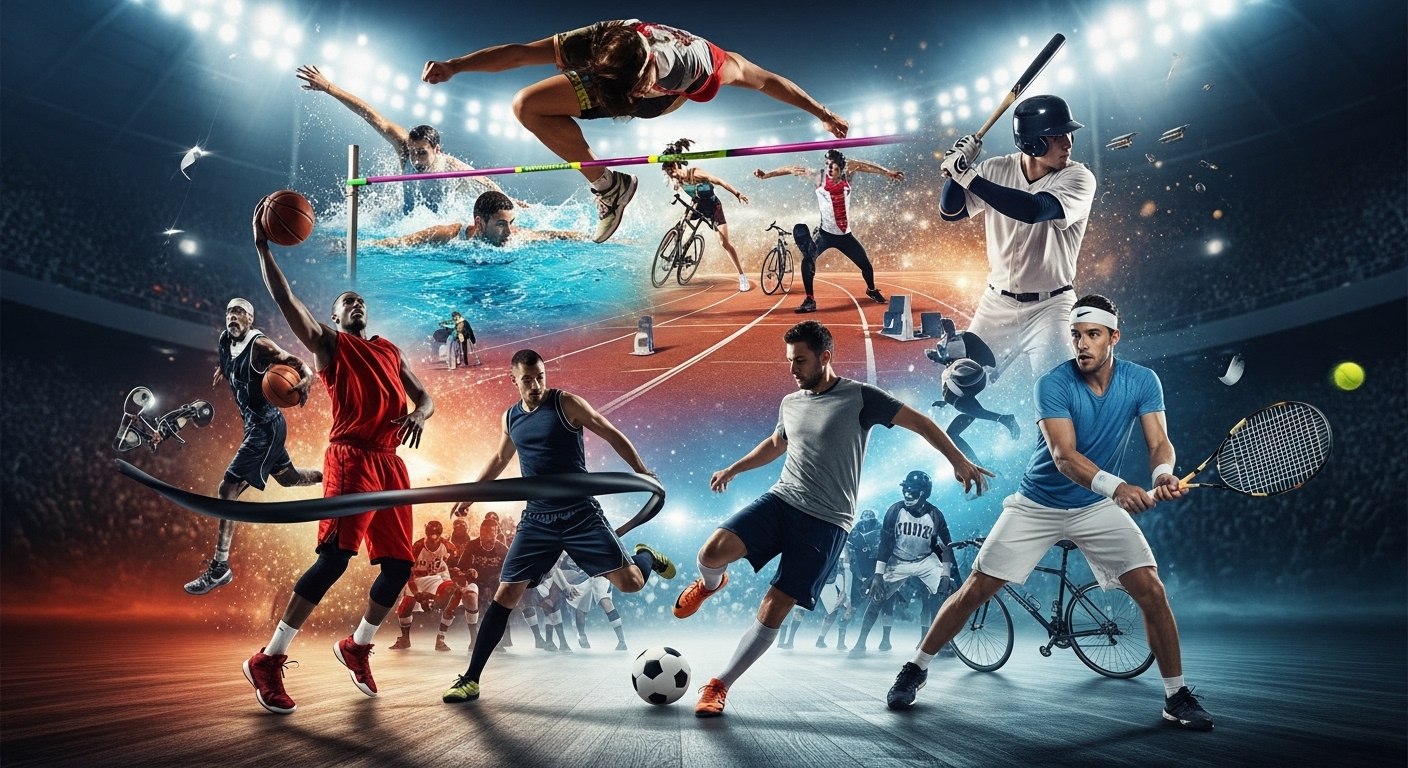
Sport is more than just a form of physical activity; it is a universal language that transcends culture, age, and geography. From ancient Olympic Games to modern professional leagues, sport has played an essential role in shaping human civilization. It promotes physical health, mental resilience, social cohesion, and cultural identity. Across the world, people engage in sports not only for competition and entertainment but also for personal growth, community bonding, and national pride. This blog explores the significance of sport, its impact on individuals and societies, and how it continues to evolve in the modern era.
The Historical Evolution of Sport
Sport has a long and fascinating history, deeply intertwined with human culture. Ancient civilizations, including Greece, Egypt, and Rome, recognized the importance of athletic competitions for both entertainment and physical preparation. The ancient Olympic Games, first held in 776 BC in Olympia, Greece, celebrated physical excellence while fostering unity among city-states.
In medieval Europe, sports such as jousting, archery, and hunting served both recreational and practical purposes. These activities tested strength, agility, and skill while also preparing participants for combat. Indigenous cultures around the world engaged in traditional games that combined physical skill with ritual, ceremony, and social bonding. The historical roots of sport reveal its enduring role as a reflection of societal values and human ambition.
Physical Health Benefits
The most obvious benefit of sport is its positive impact on physical health. Regular participation in sports strengthens muscles, bones, and the cardiovascular system. It improves flexibility, coordination, balance, and endurance, supporting overall physical fitness.
For children and adolescents, sport enhances motor development, encourages active lifestyles, and reduces the risk of obesity. For adults, sports participation helps maintain a healthy weight, prevents chronic diseases such as diabetes and heart disease, and improves overall longevity. Even in older adults, engaging in physical activities like swimming, walking, and yoga helps maintain mobility and functional independence. Sport is not merely recreational; it is a vital contributor to lifelong physical health.
Mental Health and Emotional Well-Being
Sport also benefits mental health. Physical activity stimulates the release of endorphins, which reduce stress, anxiety, and depression. Athletes often report increased confidence, self-esteem, and emotional resilience as a result of consistent participation.
In addition to mood improvement, sports enhance cognitive function. Team-based games teach strategic thinking, quick decision-making, and problem-solving, while individual sports foster concentration, self-discipline, and mental endurance. These cognitive and emotional benefits demonstrate that sport is essential not only for the body but also for the mind.
Building Social Connections
Sport serves as a powerful social connector, bringing individuals together in ways few other activities can. Local sports clubs, school teams, and recreational leagues provide opportunities for social interaction, collaboration, and teamwork. Shared experiences in sport foster camaraderie, trust, and mutual respect among participants.
On a larger scale, international sporting events such as the Olympic Games, the FIFA World Cup, and other world championships unite people across borders. Fans celebrate victories collectively, support athletes passionately, and engage in shared cultural experiences. Sport encourages social cohesion, promoting communication, empathy, and collaboration, which are valuable in every aspect of life.
Discipline, Leadership, and Life Skills
Participation in sport instills valuable life skills. Athletes learn discipline through regular training, time management, and adherence to rules. They develop resilience by facing challenges, learning from failures, and celebrating successes.
Team sports, in particular, nurture leadership and collaboration. Captains and team leaders motivate their peers, organize strategies, and take responsibility for collective performance. These skills are transferable to professional careers, education, and personal relationships. Sport acts as a training ground for life, preparing individuals to face challenges and make strategic decisions in various domains.
Youth Development Through Sport
Youth engagement in sport provides crucial developmental benefits. It encourages physical activity, reduces sedentary behavior, and teaches cooperation, responsibility, and perseverance. Young athletes develop confidence, emotional intelligence, and goal-setting skills while learning the value of practice and dedication.
Coaches, mentors, and experienced athletes play an essential role in guiding young participants. They instill core values such as integrity, fair play, respect, and teamwork. By promoting these principles early, youth sports help shape well-rounded, socially conscious individuals capable of contributing positively to their communities.
Professional Sports and Entertainment
Professional sports have grown into a global entertainment industry. Leagues in football, basketball, cricket, tennis, and other disciplines attract millions of viewers and generate billions of dollars annually. High-profile athletes become role models, inspiring fans to pursue physical fitness, personal excellence, and discipline.
Professional sports also drive innovation in media, broadcasting, and event management. Stadiums and arenas host fans from around the world, creating shared experiences and memories. Through televised and streamed events, professional sports allow fans to connect with athletes, teams, and cultures, making sports a central part of global entertainment.
Technology and Innovation in Sport
Advancements in technology have transformed both participation and viewing experiences in sports. Modern equipment enhances performance, safety, and precision, while wearable technology and performance analytics enable athletes to monitor fitness, optimize training, and prevent injuries.
Technological innovations also benefit fans. Video replays, instant analytics, and immersive broadcasting allow audiences to experience sports with unprecedented detail and clarity. Virtual reality, augmented reality, and interactive platforms are changing how people watch, engage with, and enjoy sports. Technology ensures that sport remains dynamic, accessible, and engaging in the modern era.
Inclusivity and Adaptive Sports
Modern sport is increasingly inclusive. Adaptive sports cater to individuals with physical or intellectual disabilities, promoting empowerment, social integration, and equality. Events such as the Paralympics showcase the skill, dedication, and resilience of athletes, inspiring audiences worldwide.
Gender equality in sport has also gained momentum. Women’s sports are achieving greater visibility, professional recognition, and support, with initiatives promoting equal opportunities, representation, and compensation. Inclusive sport practices ensure that talent, effort, and achievement are recognized regardless of gender, ability, or background.
Sport as a Tool for Global Diplomacy
Sport has historically played a role in fostering international diplomacy. Friendly matches, international tournaments, and Olympic participation create opportunities for dialogue, cooperation, and mutual understanding between nations. Sporting events transcend political, cultural, and social boundaries, highlighting shared human values.
Through competition, nations showcase skill, discipline, and fair play, promoting cultural exchange and mutual respect. Sport contributes to global unity by celebrating excellence, perseverance, and the human spirit, often serving as a bridge between different communities and cultures.
Health and Fitness Trends in Modern Sport
Modern sport reflects evolving trends in health, wellness, and recreation. Activities such as yoga, martial arts, cycling, swimming, and running emphasize holistic fitness alongside competitive achievement. Recreational leagues, community fitness challenges, and virtual coaching platforms encourage participation across demographics and skill levels.
Digital applications and online fitness programs allow people to track progress, engage with coaches, and maintain healthy lifestyles regardless of location or physical ability. Sport continues to adapt to contemporary lifestyles, promoting physical, mental, and social well-being for individuals of all ages.
The Future of Sport
The future of sport will be shaped by technology, cultural trends, and societal priorities. Emerging disciplines such as esports and virtual sports expand the definition of athletic competition. Innovations in training, analytics, and equipment will enhance performance, safety, and fan engagement.
Sport will continue to promote health, social cohesion, leadership, and personal growth. Its influence in education, professional development, and community building will grow as accessibility increases globally. Sport’s ability to inspire, challenge, and unite will remain a defining feature of human culture.
Conclusion
Sport is a universal force that shapes individuals, communities, and societies. Its impact extends beyond physical activity, encompassing mental health, social connection, leadership, and global diplomacy. From grassroots participation to professional leagues, sport fosters discipline, resilience, teamwork, and cultural understanding.
In every era and culture, sport has inspired people to strive for excellence, overcome challenges, and celebrate human potential. It promotes inclusivity, unites communities, and contributes to personal and societal well-being. As the world evolves, sport will remain an essential part of human life, motivating individuals, strengthening communities, and celebrating the spirit of achievement.
Sport is more than a game—it is a powerful force that shapes lives, builds character, and connects the world. Its influence is timeless, demonstrating the enduring power of human athleticism, perseverance, and shared passion.