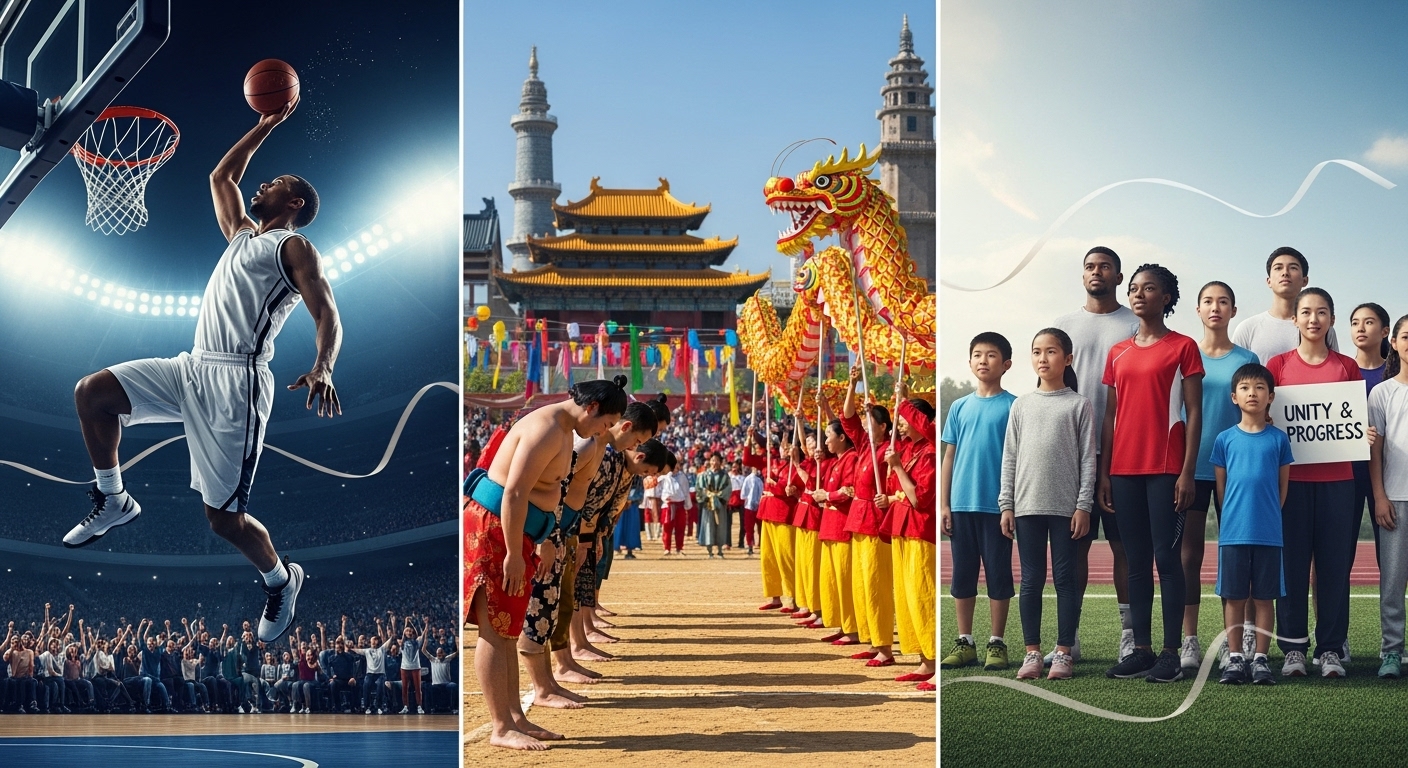
Sports have always been more than just physical activity. From ancient contests to modern global tournaments, sports embody competition, discipline, teamwork, and entertainment. They inspire individuals, unite communities, and even shape cultures. The power of sports extends beyond the playing field; it influences personal development, social dynamics, economics, and technological innovation. This blog explores the multifaceted world of sports, tracing its history, analyzing its social and psychological impact, discussing modern challenges, and looking ahead to the future of athletic pursuits.
The Origins of Sports
The story of sports begins with humanity itself. Early civilizations practiced physical contests as a way to train warriors, celebrate victories, and demonstrate skill. Ancient Greece introduced the Olympic Games, a tradition honoring both physical excellence and cultural unity. Athletes competed in events like running, wrestling, discus, and javelin, showcasing strength, agility, and endurance.
Similarly, other societies developed unique sports that reflected local culture and values. Wrestling and archery were common in many regions, while ball games and equestrian contests were popular in others. These early activities were more than entertainment; they helped prepare people for survival, instilled discipline, and fostered camaraderie within communities.
The Evolution of Modern Sports
As societies advanced, sports became more organized and structured. The 19th and 20th centuries marked a period of formalization with standardized rules, leagues, and international competitions. Football, cricket, basketball, and tennis evolved into professional sports with global followings. The invention of stadiums and the rise of media coverage, particularly television, transformed sports into a cultural phenomenon, allowing fans to engage with events in real time and creating shared experiences on a massive scale.
Today, sports are no longer confined to physical arenas. Digital platforms, online tournaments, and esports have expanded the definition of competition, making sports accessible to anyone with an internet connection. This evolution reflects the adaptability of sports to changing technology and societal trends.
Sports as a Cultural Reflection
Sports mirror the culture and values of the societies that embrace them. Different regions prioritize specific sports based on historical, geographical, and social factors. For instance, cricket is deeply embedded in South Asian culture, while football holds immense popularity in Europe and Latin America. Ice hockey thrives in colder climates, and baseball enjoys a prominent place in North America and East Asia.
Global sporting events like the Olympics or World Cup transcend national boundaries, promoting unity and cultural exchange. Fans from different countries come together to celebrate talent and sportsmanship, demonstrating that sports have the power to build bridges and foster international understanding.
The Psychological Benefits of Sports
Participating in sports offers numerous mental and emotional benefits. Physical activity triggers the release of endorphins, reducing stress and promoting happiness. Regular involvement in sports enhances focus, self-discipline, and confidence, while teaching resilience and perseverance through challenges and setbacks.
Team sports, in particular, encourage communication, collaboration, and empathy. Athletes learn to work toward common goals, respect teammates and opponents, and navigate conflicts constructively. Beyond the competitive aspect, sports also provide an outlet for relaxation, personal growth, and emotional expression.
Sports and Social Development
Sports play a vital role in social development, fostering community engagement and connection. Local leagues, school competitions, and recreational clubs create spaces for people to interact, share experiences, and build lifelong friendships. The sense of belonging cultivated through sports strengthens social cohesion and encourages positive social behavior.
On a global scale, major sporting events unite fans and communities, transcending social, cultural, and political differences. Sports can inspire national pride, spark collective enthusiasm, and even influence social change by promoting values such as equality, inclusion, and fair play. Athletes often serve as role models, using their platform to address social issues and inspire younger generations.
The Economic Impact of Sports
The sports industry is a significant contributor to global economies. Professional leagues, tournaments, sponsorships, merchandise, and broadcasting generate substantial revenue, supporting millions of jobs worldwide. Athletes, coaches, referees, media personnel, and event organizers all rely on the economic ecosystem of sports.
Sports also stimulate tourism, hospitality, and infrastructure development. Large events draw international visitors, boost local economies, and promote cities and countries on a global stage. Additionally, technological innovations developed for sports, such as performance-tracking devices and broadcasting equipment, often have applications beyond athletics, benefiting multiple industries.
Challenges Facing Modern Sports
Despite its widespread appeal, the world of sports faces numerous challenges. Issues like doping, corruption, and match-fixing threaten the integrity of competitions. Maintaining fairness, transparency, and ethical standards is critical to preserving trust among athletes and fans.
Health and safety are also ongoing concerns. Intense physical activity can lead to injuries, and the psychological pressure on professional athletes can affect mental well-being. Access to sports is another challenge, as socioeconomic disparities can limit opportunities for participation and talent development. Addressing these challenges is essential to ensure that sports remain a positive force in society.
The Role of Technology in Sports
Technology has revolutionized sports in countless ways. Advanced equipment, wearable devices, and analytics enhance athlete performance, training, and strategy. Video review systems improve officiating accuracy, while virtual reality and interactive platforms offer fans immersive experiences.
Emerging technologies such as artificial intelligence and machine learning enable data-driven insights into player performance, injury prevention, and game tactics. Social media and streaming platforms have also transformed how fans engage with sports, providing live coverage, behind-the-scenes content, and interactive experiences that enhance the connection between athletes and audiences.
Sports as a Tool for Personal Growth
Participating in sports nurtures qualities that extend beyond physical ability. Discipline, perseverance, teamwork, leadership, and strategic thinking are developed through consistent training and competition. Young athletes, in particular, benefit from structured programs that promote time management, goal-setting, and responsibility.
Leadership skills are cultivated through roles such as team captains or mentors, teaching athletes how to motivate and guide others. The lessons learned on the playing field often translate into academic, professional, and personal success, highlighting the profound impact sports have on holistic development.
The Future of Sports
The future of sports promises exciting innovations and increased inclusivity. Esports and virtual competitions are gaining recognition alongside traditional sports, attracting new audiences and redefining competitive entertainment. Wearable technology, virtual reality, and AI-driven training tools will continue to enhance performance, fan engagement, and coaching strategies.
Sustainability and environmental consciousness are becoming priorities for the sports industry. Eco-friendly stadiums, energy-efficient events, and sustainable merchandise reflect a growing commitment to protecting the planet. Efforts to promote gender equality, accessibility, and diversity are also creating more opportunities for athletes worldwide, ensuring that sports remain a global, unifying, and inspiring force.
Conclusion: The Enduring Influence of Sports
Sports are far more than games—they are a reflection of human potential, culture, and creativity. They entertain, inspire, and unite people across ages, genders, and geographies. From local playgrounds to global arenas, sports provide shared experiences, foster emotional well-being, and drive economic growth.
As technology, inclusivity, and innovation continue to shape the landscape, sports will remain central to human life. They inspire dreams, cultivate talent, and connect people across generations, symbolizing the pursuit of excellence, the joy of participation, and the power of resilience. Beyond competition, sports celebrate the human spirit, making them a timeless and invaluable part of our world.