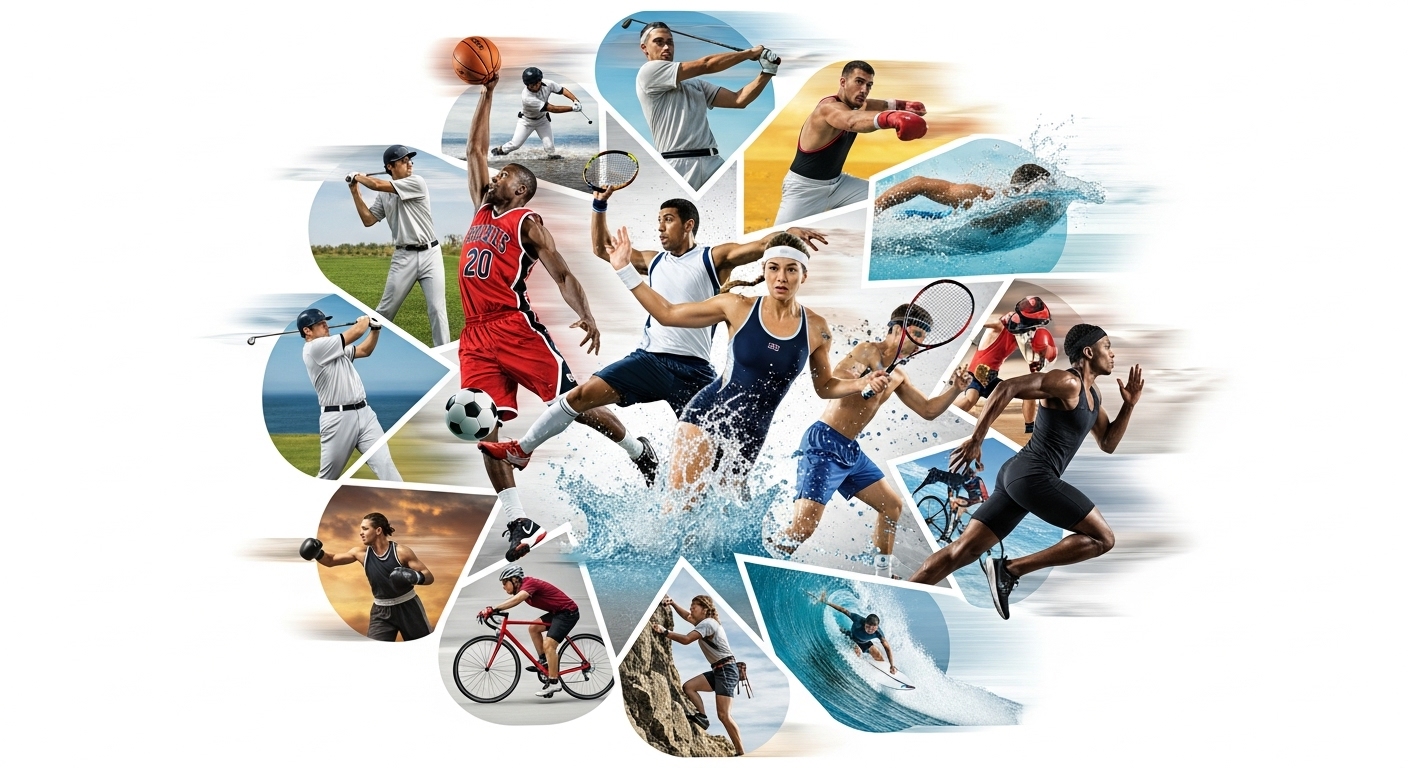

Introduction: The Power of Sports in Our Lives
Sports have always been more than just a competition between teams or individuals. They are a reflection of human determination, resilience, and the desire to push beyond limits. From local playgrounds to massive stadiums, sports bring people together, inspire communities, and influence cultures around the world. The beauty of sports lies not only in winning or losing but also in the lessons it teaches, the values it instills, and the experiences it creates. This blog explores the multifaceted impact of sports, including physical, psychological, cultural, and societal dimensions.
The Physical Benefits of Sports
Participation in sports offers significant physical benefits. Engaging in regular physical activity strengthens muscles, improves cardiovascular health, and enhances flexibility and coordination. For children and adolescents, sports are essential for healthy growth and development, helping establish lifelong habits of fitness and wellness.
Athletes at professional levels push the limits of physical performance, often serving as examples of what the human body can achieve through dedication and training. Beyond elite sports, recreational participation in activities such as running, swimming, cycling, or team sports provides opportunities to maintain a healthy lifestyle, reduce the risk of chronic diseases, and improve overall quality of life. Sports also encourage proper nutrition and discipline, fostering habits that go beyond the playing field.
Mental Health and Psychological Benefits
While the physical benefits of sports are widely recognized, the psychological impact is equally important. Sports improve mental health by reducing stress, anxiety, and depression. The process of training and achieving goals releases endorphins, known as “feel-good” hormones, which enhance mood and overall well-being.
Team sports, in particular, cultivate skills such as communication, cooperation, and leadership. Participating in a team environment teaches individuals how to handle success and failure gracefully, adapt to changing circumstances, and build resilience. Sports also promote self-esteem and confidence, as consistent effort and improvement lead to a sense of accomplishment. In a world where mental health challenges are increasingly prevalent, sports offer a valuable outlet for emotional release and personal growth.
Sports as a Cultural Phenomenon
Sports have a unique ability to transcend language, culture, and geography. Major events like the Olympics, the FIFA World Cup, and international cricket tournaments bring together millions of people from diverse backgrounds, united by a shared passion. These events often become cultural milestones, reflecting societal values, traditions, and identity.
For example, football has a profound influence on many countries, with fan culture, local rivalries, and national pride shaping community identity. Similarly, basketball, baseball, cricket, and other popular sports foster a sense of belonging, with fans celebrating victories and enduring defeats together. Sports create traditions, rituals, and shared memories, reinforcing social bonds and providing a platform for cultural exchange.
The Role of Sports in Education
Sports play a vital role in educational settings, promoting holistic development in students. Physical education programs provide students with opportunities to improve fitness, learn teamwork, and develop discipline. Participation in school or college sports also teaches valuable life skills such as time management, goal setting, and perseverance.
Competitive sports in educational institutions encourage students to balance academics and athletics, fostering a well-rounded personality. For some, school sports programs serve as a pathway to professional careers, scholarships, or opportunities to represent their country. Moreover, sports in education help instill values such as fair play, integrity, and respect, which extend into all aspects of life.
The Business of Sports
Modern sports have evolved into a global industry with significant economic impact. Professional leagues, sponsorship deals, broadcasting rights, and merchandise generate billions of dollars annually. This commercial aspect has transformed sports into not only a form of entertainment but also a major economic driver.
Athletes today are not just competitors; they are brands, influencers, and public figures. Clubs and organizations invest heavily in talent development, marketing, and infrastructure to maintain competitiveness and profitability. While commercialization brings financial growth, it also introduces challenges, including the pressure on athletes, the influence of money on fairness, and concerns about prioritizing profits over the spirit of the game. Despite these complexities, the business of sports contributes to employment, tourism, and economic development worldwide.
Sports and Technology: Changing the Game
Technology has revolutionized the way sports are played, analyzed, and consumed. Innovations such as instant replay, wearable fitness trackers, and advanced analytics have enhanced both performance and fan experience. Coaches and athletes use data-driven insights to optimize training, prevent injuries, and develop strategies for winning.
Virtual reality, augmented reality, and digital platforms have transformed sports entertainment, offering immersive experiences to fans globally. Even grassroots sports benefit from technology, as online platforms facilitate learning, coaching, and competition at local levels. As technology continues to evolve, it is likely to redefine the future of sports in ways that enhance performance, engagement, and accessibility.
The Social Impact of Sports
Sports have the power to drive social change. They provide a platform to raise awareness about social issues, promote inclusivity, and encourage community development. Initiatives such as sports for underprivileged children, women’s sports programs, and campaigns against discrimination demonstrate the potential of sports to create a positive societal impact.
Athletes often use their influence to advocate for causes they believe in, inspiring fans and communities to take action. Additionally, sports can bridge cultural divides, promoting unity and understanding in diverse societies. In times of crisis or conflict, sports often serve as a source of hope, resilience, and solidarity, highlighting its role beyond entertainment.
Challenges and Controversies in Sports
Despite the many benefits, sports are not without challenges. Issues such as doping, match-fixing, corruption, and inequality in access continue to affect the integrity of sports. Gender disparities, unequal funding, and lack of opportunities in certain regions limit participation for many aspiring athletes.
Professional athletes often face immense pressure, leading to burnout and mental health struggles. Addressing these challenges requires coordinated efforts from governing bodies, organizations, and communities to ensure that sports remain fair, inclusive, and beneficial to all participants. Ethical governance, transparency, and equal opportunities are essential to uphold the values that make sports a unifying force.
The Future of Sports
The future of sports promises exciting innovations and greater inclusivity. Emerging trends such as esports, adaptive sports for differently-abled athletes, and advancements in sports science are redefining traditional notions of competition. Virtual and augmented reality may allow fans to experience live events from their homes in immersive ways, making sports more accessible globally.
Sustainability is also becoming a priority, with eco-friendly stadiums, reduced carbon footprints, and responsible event management shaping the future of major sporting events. As the boundaries of athletic performance continue to expand, sports will remain a reflection of human creativity, discipline, and resilience, inspiring generations to come.
Conclusion: Sports as a Reflection of Humanity
Sports are more than games; they are a reflection of human ambition, determination, and community spirit. They offer physical, mental, social, and economic benefits while fostering cultural identity and unity. Sports teach us about discipline, perseverance, teamwork, and the importance of fair play.
As we look to the future, sports will continue to evolve, driven by innovation, inclusivity, and a commitment to social impact. Whether on the field, in the stadium, or through a digital platform, the essence of sports remains the same: the pursuit of excellence, the joy of participation, and the power to bring people together. By celebrating sports in all its forms, we celebrate the best of humanity and its potential to inspire, unite, and transform lives.
Final Thoughts
From grassroots competitions to global tournaments, sports touch every corner of human experience. They challenge us, teach us, and entertain us, while also serving as a platform for progress and social change. The legacy of sports is not measured solely by trophies or medals but by the values they instill and the connections they foster. As long as there is competition, teamwork, and passion, sports will remain an enduring and transformative force in society.