Introduction: More Than Just a Game
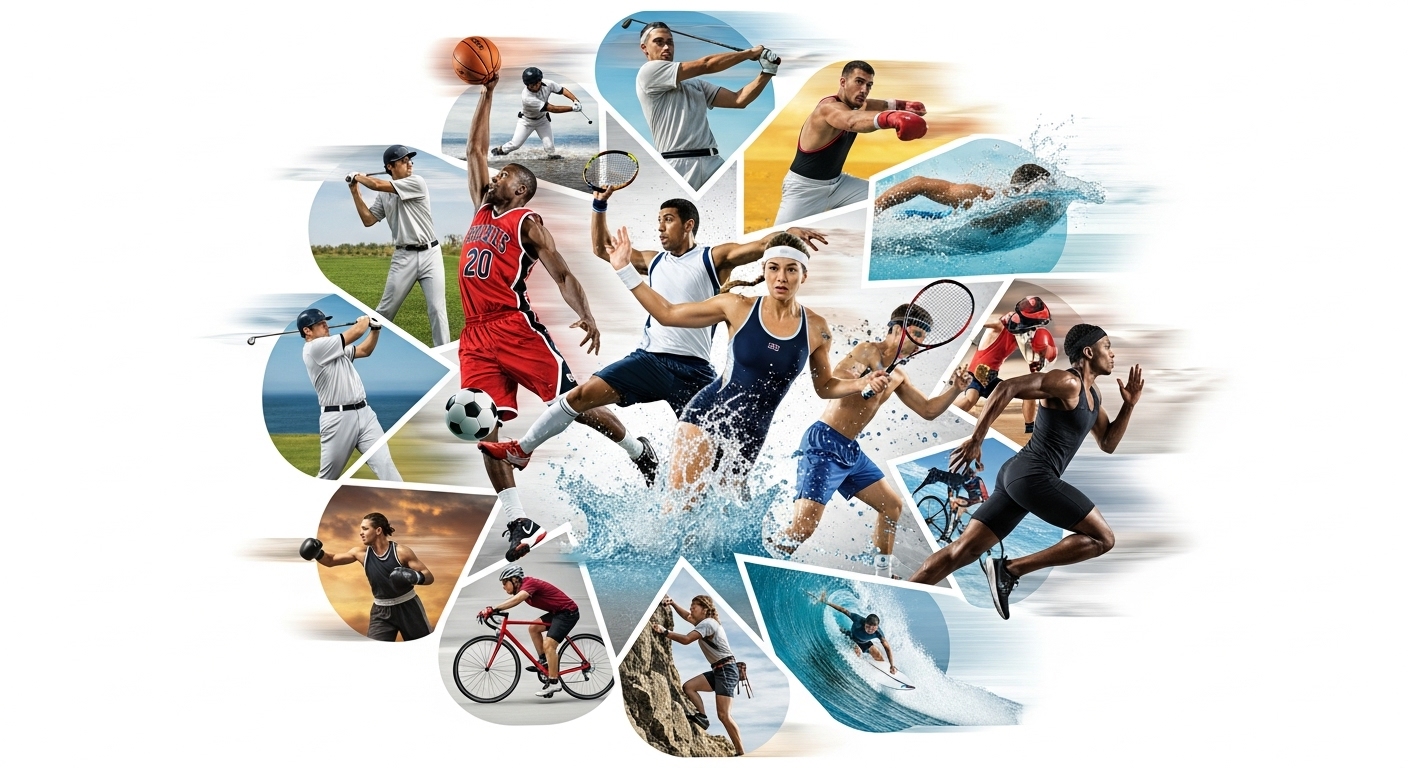
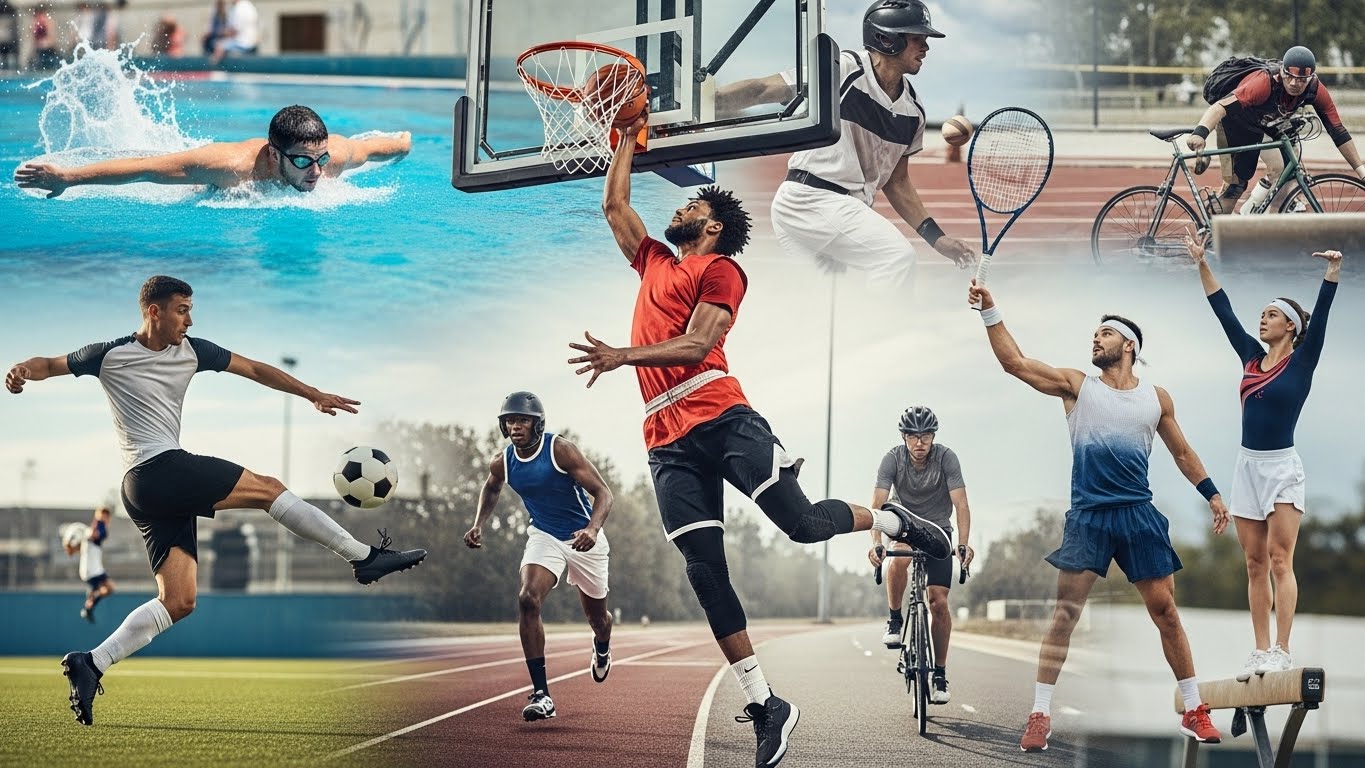
Sports have been an integral part of human civilization for centuries. From ancient arenas where athletes competed for glory to modern stadiums filled with cheering fans, sports have always held a unique place in society. They are more than just games; they are a reflection of culture, a tool for personal growth, and a bridge that connects people across the globe. The thrill of competition, the dedication required to excel, and the unifying spirit that sports bring make them essential to human life. In this blog, we explore the multifaceted world of sports, their impact on individuals, communities, and societies, and why they continue to captivate hearts worldwide.
The Historical Significance of Sports
Understanding the history of sports gives us insight into how they evolved to become a central part of modern life. Ancient civilizations such as Greece, Rome, and China used sports to promote physical fitness, discipline, and community spirit. The Olympic Games, originating in ancient Greece, are a prime example of how sports were celebrated as a demonstration of human strength, skill, and endurance. Over time, sports spread globally, influenced by cultural exchanges, colonization, and trade. Today, we see a rich tapestry of sporting activities, each with its own traditions and values, yet all emphasizing competition, teamwork, and fair play.
Sports as a Tool for Personal Development
Participation in sports offers numerous benefits beyond physical fitness. It fosters mental resilience, discipline, and strategic thinking. Athletes learn to set goals, overcome obstacles, and handle both victory and defeat gracefully. These qualities extend beyond the field, helping individuals navigate the challenges of everyday life. Moreover, sports teach critical life skills such as time management, communication, and collaboration. Whether it is an individual sport like tennis or a team sport like football, the lessons learned through sports shape character and build confidence.
The Social Impact of Sports
Sports have a remarkable ability to bring people together. Fans from diverse backgrounds unite under a common passion, creating a sense of community and belonging. Major sporting events, such as the FIFA World Cup or the Olympics, draw millions of viewers and participants worldwide, transcending language, culture, and nationality. In addition, sports can be a catalyst for social change. They promote inclusivity, equality, and empowerment. Women’s sports, para-sports, and initiatives aimed at underprivileged communities demonstrate how sports can drive positive societal impact and inspire generations to overcome barriers.
Economic Significance of Sports
The world of sports is not only a cultural phenomenon but also an economic powerhouse. Sporting events generate revenue through ticket sales, broadcasting rights, merchandising, and sponsorship deals. Cities hosting major tournaments often experience significant economic benefits, including tourism, job creation, and infrastructure development. Professional athletes, coaches, and sports-related businesses contribute to a thriving industry that supports millions globally. Beyond economics, sports also encourage investment in youth programs and grassroots initiatives, ensuring the growth and sustainability of athletic talent worldwide.
Technological Advancements and Sports
Technology has revolutionized the way sports are played, viewed, and analyzed. High-tech equipment enhances performance, while wearable devices and fitness trackers provide real-time data for athletes to optimize their training. Video analysis and artificial intelligence assist coaches in developing strategies and identifying areas for improvement. For fans, digital platforms offer immersive experiences through live streaming, virtual reality, and interactive apps. Technology has not only improved athletic performance but also deepened fan engagement, making sports more accessible and enjoyable for audiences worldwide.
The Psychological Benefits of Sports
Engaging in sports has profound effects on mental health. Regular physical activity reduces stress, anxiety, and depression while promoting overall well-being. The sense of achievement and self-worth derived from sports participation boosts confidence and emotional resilience. Team sports, in particular, cultivate social connections, reducing feelings of isolation and promoting a sense of belonging. For children and adolescents, sports provide a healthy outlet for energy and emotions, helping them develop focus, discipline, and interpersonal skills that are essential for academic and personal success.
Sports and Cultural Identity
Sports often serve as a reflection of cultural identity. National teams, local clubs, and traditional games carry the heritage and values of the communities they represent. In many countries, sports events are occasions for cultural expression, where music, rituals, and celebrations highlight local traditions. Furthermore, sports heroes often become symbols of national pride, inspiring young athletes and fostering unity. The cultural significance of sports extends beyond entertainment, shaping perceptions, fostering national identity, and bridging cultural divides across the globe.
Challenges in the World of Sports
Despite its many benefits, the world of sports faces significant challenges. Issues such as doping, corruption, and unequal access to resources threaten the integrity and inclusivity of athletic competitions. Additionally, the intense pressure to perform can lead to mental health struggles among athletes. Addressing these challenges requires collective efforts from governing bodies, coaches, players, and fans. Promoting ethical practices, fair play, and mental well-being are essential to ensure that sports continue to be a positive force in society.
The Future of Sports
The future of sports promises innovation, inclusivity, and global engagement. Emerging trends include the growth of e-sports, adaptive sports for individuals with disabilities, and sustainable practices in sporting events. Virtual platforms and augmented reality will transform fan experiences, while data-driven training methods will enhance athlete performance. Moreover, sports will continue to play a vital role in promoting social cohesion, health, and personal development. As the world becomes increasingly interconnected, sports will remain a universal language, uniting people through shared passion and excitement.
Conclusion: The Enduring Spirit of Sports
Sports are much more than competitions or entertainment; they are a powerful force that shapes individuals, societies, and cultures. From physical fitness to mental resilience, from economic impact to social unity, sports touch every aspect of human life. They inspire us to push boundaries, celebrate achievements, and come together as communities. As long as humans seek challenge, excitement, and connection, sports will continue to thrive, reflecting the enduring spirit of passion, perseverance, and possibility. In every goal scored, every record broken, and every game played, the essence of sports—the heartbeat of humanity—remains alive.