Introduction: More Than Just a Game
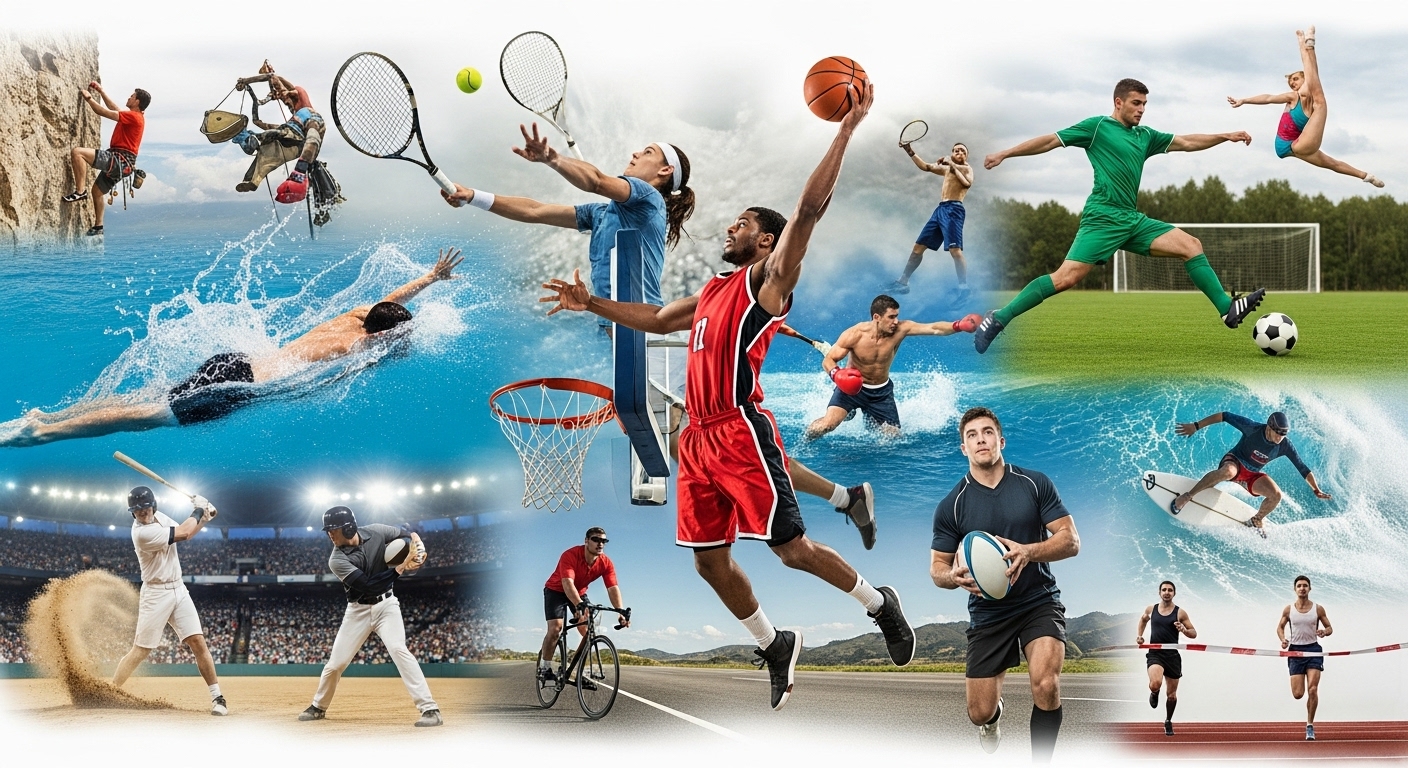
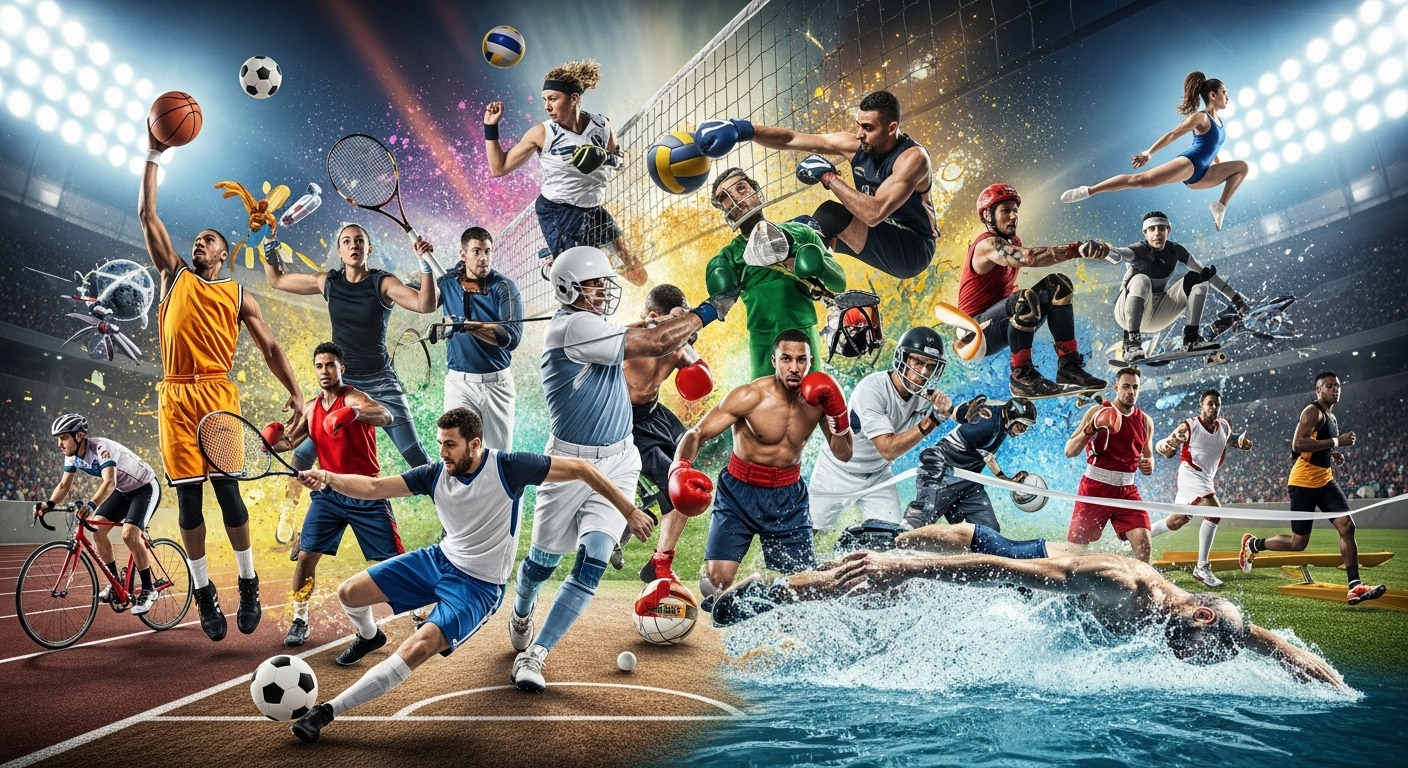
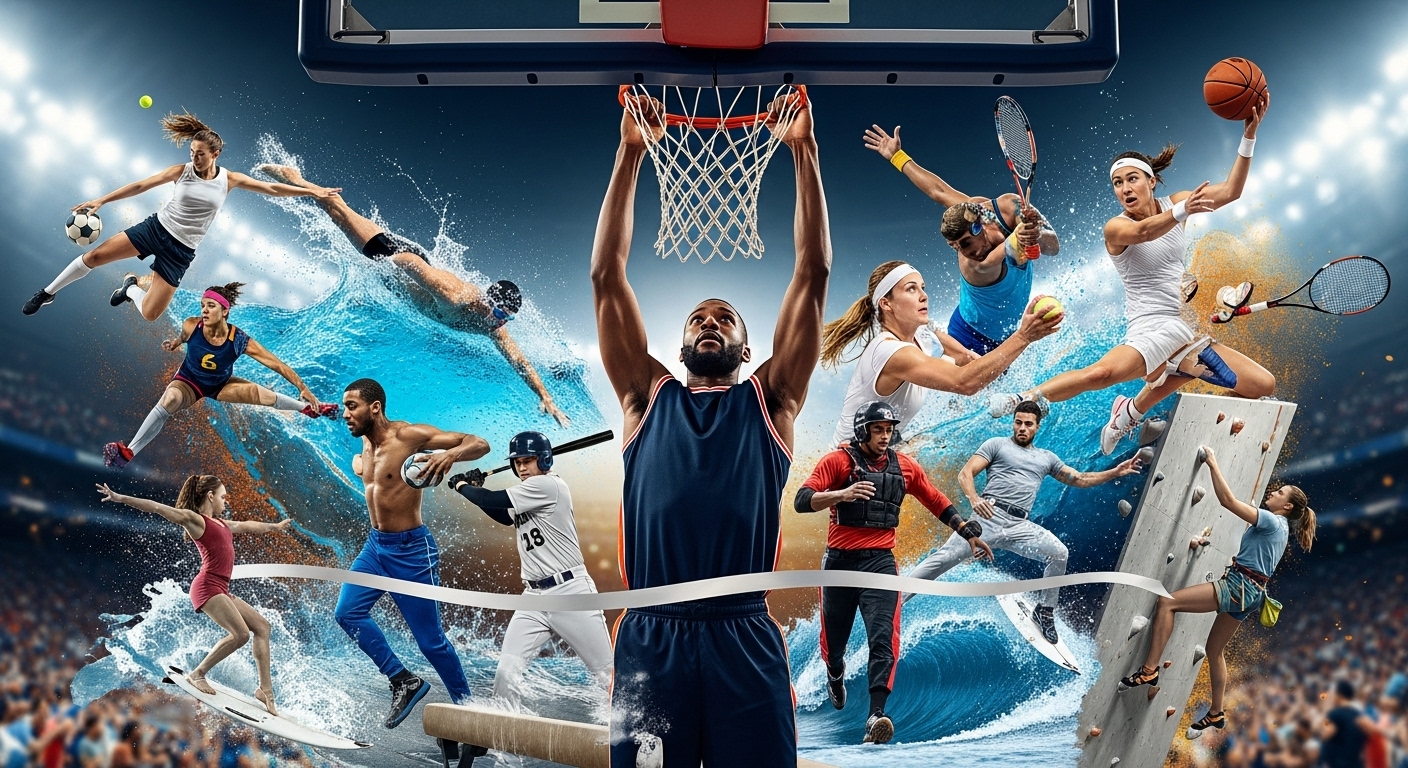
Sports have always been more than a contest between two sides chasing victory. They are stories of struggle, passion, heartbreak, and triumph that mirror real life. From crowded stadiums roaring with emotion to quiet streets where children improvise games with whatever they can find, sports connect people across age, language, and culture. While the final score often captures attention, the deeper meaning of sports lies in how they influence identity, inspire discipline, and unite communities. This blog explores the powerful role sports play in shaping individuals and societies, going far beyond wins and losses.
The Emotional Power of Sports
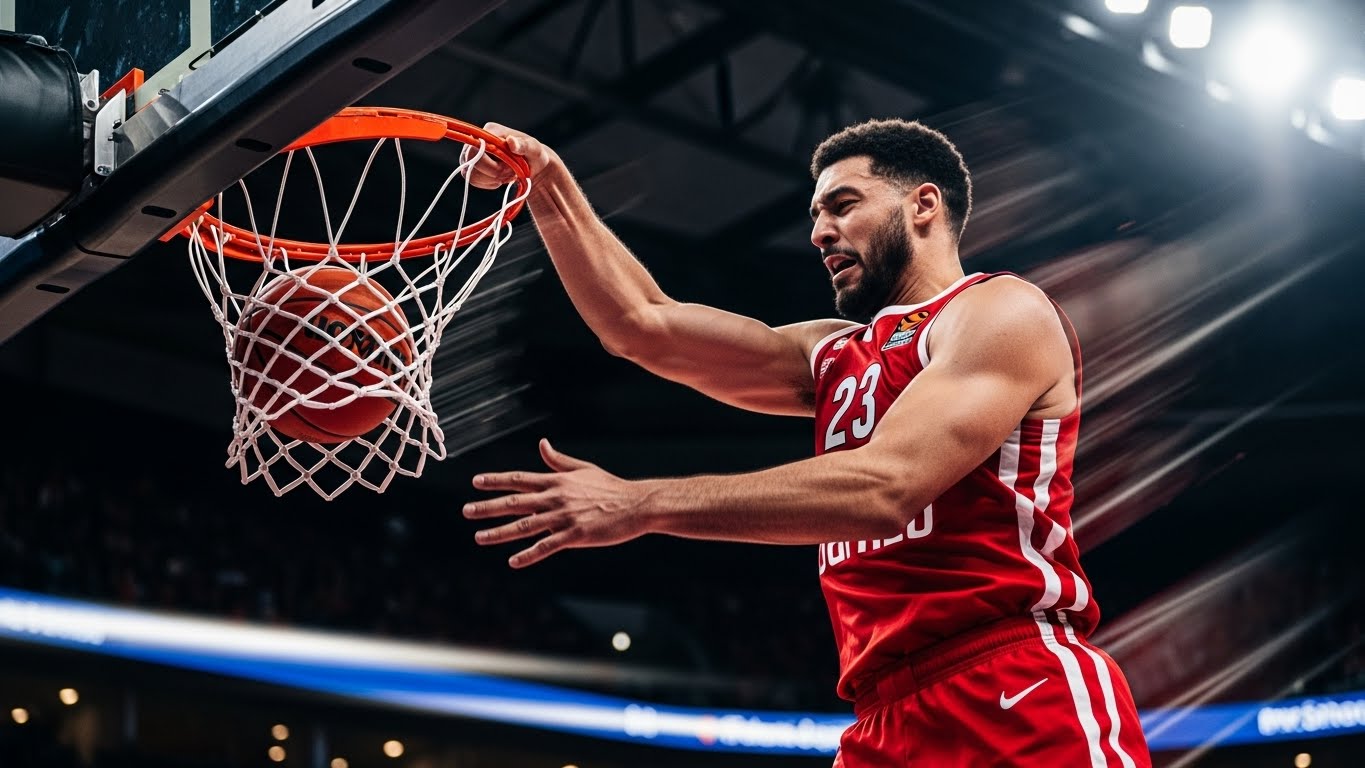
One of the most remarkable aspects of sports is their emotional intensity. Few experiences can compare to the feeling of watching a last-minute goal, a match-winning shot, or a record-breaking performance. These moments trigger joy, disbelief, and sometimes tears. Fans develop deep emotional bonds with teams and athletes, often identifying their own highs and lows with on-field results.
This emotional connection exists because sports create unscripted drama. Unlike movies or novels, no one can predict the outcome with certainty. Underdogs rise, champions fall, and unexpected heroes emerge. This uncertainty keeps fans engaged and emotionally invested, making sports a powerful form of shared experience.
Sports and Personal Identity
For many people, sports are closely tied to who they are. Athletes often define themselves through their discipline, training routines, and competitive mindset. Wearing a team’s jersey or representing a school or country can become a core part of personal identity.
Participation in sports during childhood and adolescence plays a significant role in shaping character. Young athletes learn responsibility, teamwork, and perseverance. Losing teaches humility and resilience, while winning encourages confidence and belief. These lessons often carry over into education, careers, and personal relationships, proving that sports can shape life far beyond the playing field.
Discipline, Dedication, and Mental Strength
Behind every great performance lies countless hours of practice and sacrifice. Sports demand discipline, consistency, and mental toughness. Athletes wake up early, train through fatigue, and push their limits even when motivation fades. This commitment builds habits that are valuable in all areas of life.
Mental strength is especially important in sports. The ability to stay focused under pressure, recover from mistakes, and maintain confidence during difficult moments separates good players from great ones. These mental skills are increasingly recognized as essential life tools, helping individuals manage stress, overcome challenges, and pursue long-term goals.
Sports as a Social Connector
Sports have a unique ability to bring people together. In stadiums, fans from different backgrounds sit side by side, united by shared loyalty and excitement. At the community level, local sports clubs and informal games create spaces where friendships form and social barriers fade.
Major sporting events often become cultural celebrations. Streets fill with cheering crowds, families gather around televisions, and strangers exchange smiles and conversations. In these moments, differences in politics, religion, or social status seem to disappear, replaced by a sense of collective identity and pride.
Cultural Influence and National Pride
Sports play a significant role in expressing cultural values and national identity. Traditional sports reflect history and heritage, while international competitions offer opportunities for countries to showcase their talent on a global stage. When athletes represent their nation, they carry the hopes and dreams of millions.
Victories in major tournaments can boost national morale and create lasting memories. Even in defeat, athletes who display courage and sportsmanship often become symbols of pride. Sports thus act as a powerful form of cultural storytelling, communicating values such as resilience, unity, and fair play.
The Business and Media Side of Sports
Modern sports are closely linked with media and business. Television, streaming platforms, and social media have transformed athletes into global figures and sports into a major industry. Fans can now follow their favorite teams and players instantly, deepening engagement and expanding reach.
While commercialization has brought financial growth and professional opportunities, it also raises important questions. Pressure to perform, media scrutiny, and financial inequality between teams and sports can affect the integrity of competition. Balancing business interests with the true spirit of sports remains an ongoing challenge.
Sports and Health in Modern Life
In an era marked by sedentary lifestyles and digital overload, sports play a crucial role in promoting physical and mental health. Regular participation improves fitness, reduces stress, and boosts overall well-being. Even casual involvement, such as weekend games or recreational leagues, can make a meaningful difference.
Sports also encourage healthy routines and social interaction. For many, joining a team or training group provides motivation and accountability. Beyond physical benefits, sports offer mental relief, helping people disconnect from daily pressures and reconnect with their bodies and communities.
The Role of Sportsmanship and Ethics
At its core, sports are built on principles of fairness, respect, and integrity. Sportsmanship teaches athletes to respect opponents, accept decisions, and handle victory or defeat with grace. These values are essential for maintaining the credibility and positive influence of sports.
However, ethical challenges such as cheating, doping, and unsportsmanlike behavior threaten these ideals. Addressing these issues requires strong leadership, education, and a renewed focus on values rather than just results. True greatness in sports is measured not only by trophies but by character.
The Future of Sports
The future of sports is evolving rapidly. Advances in technology are changing how games are played, analyzed, and experienced. Data analytics, wearable devices, and virtual training tools are enhancing performance and safety. At the same time, discussions around inclusivity, gender equality, and mental health are reshaping the sports landscape.
As sports continue to evolve, their core purpose remains the same. They exist to challenge the human body and mind, to entertain, and to inspire. The next generation of athletes and fans will redefine traditions while preserving the emotional essence that makes sports timeless.
Conclusion: Why Sports Will Always Matter
Sports endure because they speak to something deeply human. They reflect our desire to compete, to belong, and to overcome obstacles. Whether played professionally or casually, watched in massive arenas or on small screens, sports create moments that stay with us for a lifetime.
Beyond the scoreboard lies a world of meaning. Sports teach lessons that extend into everyday life, build bridges between people, and remind us of our shared humanity. As long as there are dreams to chase and challenges to face, sports will continue to inspire, unite, and shape the human spirit.