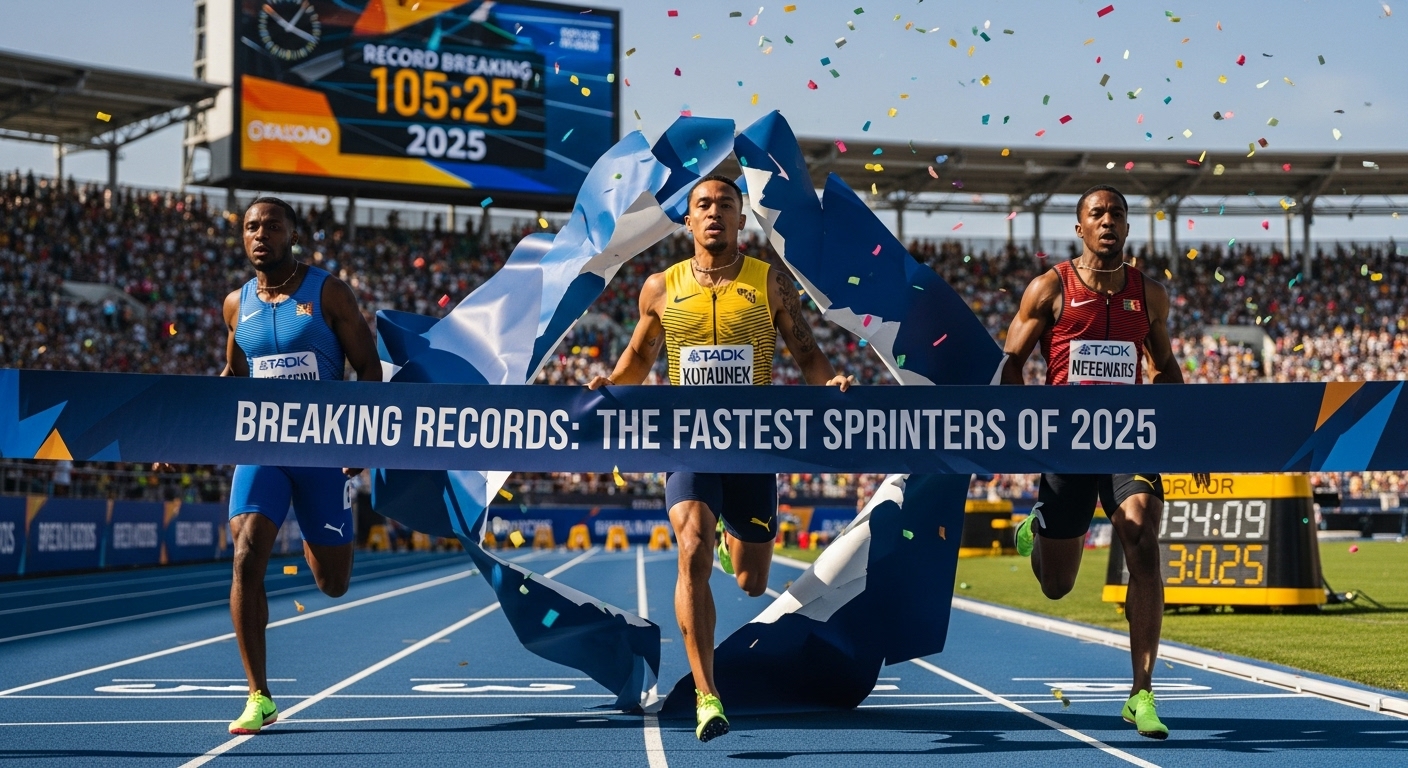

Sports have always been viewed through a competitive lens, with a primary focus on winning, trophies, and statistics. While these aspects are undeniably exciting, they barely scratch the surface of what sports truly offer. Whether it’s an amateur match on a local field or a high-stakes international competition, sports shape our lives in ways that go far beyond the scoreboard. In this post, we’ll explore the profound, often understated impacts that sports have on individuals and societies, encompassing growth, health, and unity.
The Power of Sports in Building Character
One of the most significant yet overlooked aspects of sports is their ability to build character. In every game, every practice session, and every challenge faced, athletes encounter opportunities to develop core values such as discipline, resilience, and integrity. Whether it’s the coach pushing you to keep going when you feel exhausted or learning to accept defeat gracefully, these experiences translate into life lessons that shape who we are outside of sports.
The personal growth athletes undergo through sports is not limited to physical prowess. The mental fortitude built through consistent practice and learning how to overcome setbacks fosters a mindset that thrives on perseverance. This is a crucial lesson in today’s fast-paced world, where instant gratification can often overshadow the importance of persistence.
How Sports Strengthen Mental Health
Physical health is often the first thing people think about when discussing sports, but the mental health benefits are equally important. Regular physical activity has been scientifically proven to improve mood, reduce anxiety, and help manage stress. The release of endorphins during exercise promotes a sense of well-being, and for many people, sports serve as an emotional outlet, allowing them to channel their frustrations, anger, or sadness in a productive way.
For those involved in team sports, the social aspect can be just as beneficial. The camaraderie built between teammates provides a sense of belonging and emotional support. A strong team dynamic can reduce feelings of isolation and boost self-esteem, helping individuals feel more connected to their community.
Sports as a Tool for Social Change
While sports are primarily seen as a form of entertainment or competition, their role in fostering social change cannot be ignored. Athletes have long used their platform to raise awareness on pressing societal issues. Whether through protest, advocacy, or charitable efforts, sports figures often play a pivotal role in challenging norms and pushing for progress.
Some of the most famous moments in sports history are tied to social movements. From Muhammad Ali’s refusal to serve in the Vietnam War to Colin Kaepernick taking a knee for racial justice, these actions highlight the powerful intersection between sports and activism. The visibility and influence of athletes make them uniquely positioned to lead conversations that can result in lasting societal change.
Building Bridges: The Global Nature of Sports
One of the most beautiful things about sports is their universal language. While languages, cultures, and customs may vary from one nation to the next, the love for sports is something that unites people across the globe. Whether it’s the FIFA World Cup, the Olympic Games, or a friendly game of basketball in a neighborhood park, sports have the incredible ability to break down barriers and bring people together.
Global sporting events, such as the Olympics or the World Cup, are a testament to the unifying power of sports. They provide an opportunity for nations to compete but also celebrate their shared humanity. Even during moments of intense competition, athletes and fans alike can find common ground, exchanging respect and appreciation for each other’s talents and efforts. This sense of unity is one of the most extraordinary impacts sports have on a global scale.
Inclusivity and Opportunities in Sports
As society becomes more inclusive, sports are evolving to reflect these changes. There is a growing movement to ensure that sports are accessible to everyone, regardless of gender, age, or ability. Women’s sports, for example, have gained significant visibility in recent years, with women athletes earning recognition and respect equal to their male counterparts.
Furthermore, adaptive sports for individuals with disabilities have seen a rise in popularity, giving athletes with physical challenges a platform to showcase their talents and inspire others. The inclusive nature of modern sports ensures that people from all walks of life have the opportunity to participate, and the benefits of this inclusivity extend far beyond the playing field.
The Role of Technology in Shaping the Future of Sports
Looking ahead, technology will continue to revolutionize the world of sports, enhancing how we play, watch, and engage with games. Advancements in training techniques, wearable technology, and virtual reality are transforming the way athletes train and prepare for competitions. For fans, new viewing technologies are making it possible to experience sports in ways that were once unimaginable.
Esports, a rapidly growing sector, is further evidence of how technology is shaping the future of sports. With millions of viewers and participants worldwide, esports provide a new, digital platform for competition, transcending the traditional boundaries of physical sports. This shift opens the door to new forms of interaction and engagement, further broadening the definition of what “sports” means in the 21st century.
Conclusion: More Than Just a Game
At its core, sports are far more than just games. They teach us valuable life lessons, foster mental well-being, create global unity, and inspire social change. The importance of sports goes well beyond the final score; it lies in the lessons learned, the relationships built, and the shared experiences that shape our lives.
As we look to the future, the potential for sports to continue influencing society in positive ways remains vast. Whether through personal development, community engagement, or pushing for social justice, the impact of sports will undoubtedly continue to resonate far beyond the playing field. So, next time you lace up your sneakers or watch your favorite team, remember: you’re participating in something much bigger than just a game.