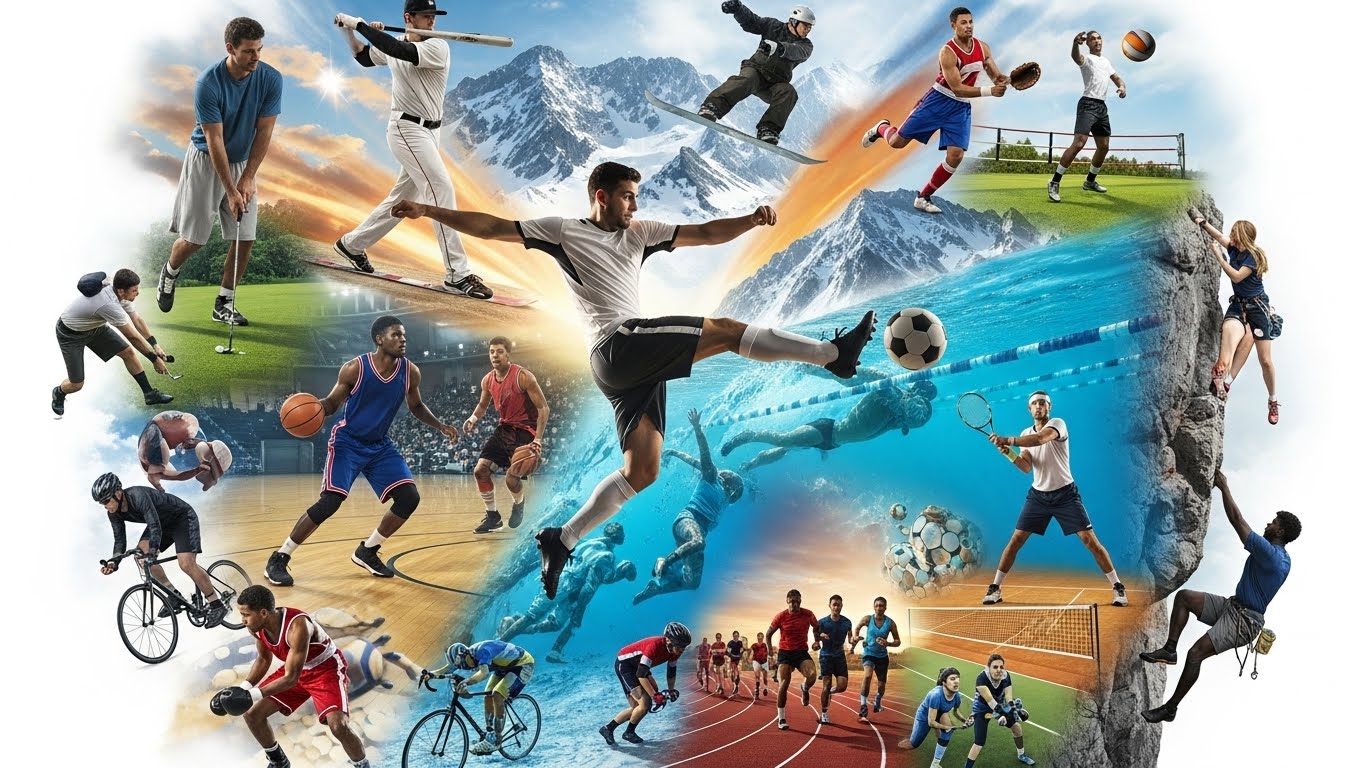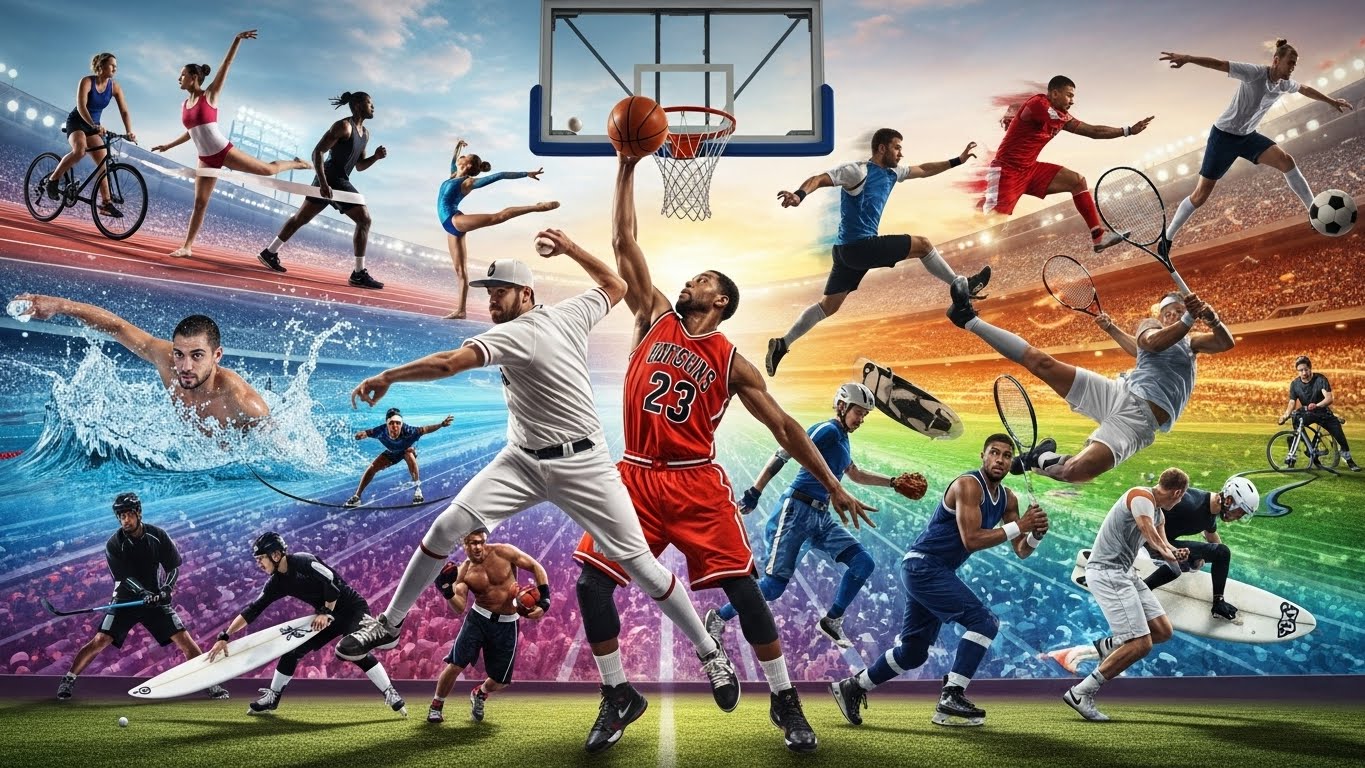

Sports are often seen merely as an activity to pass the time or as a form of entertainment. But in reality, they hold much more significance in our lives. Whether it’s the thrill of a last-minute goal, the unity of a team working together, or the personal growth that comes with pushing physical limits, sports have the power to impact us in profound ways. This blog post will explore the multi-faceted role sports play in shaping individuals, communities, and even nations.
1. Physical Benefits: Building Strong Bodies
At its core, sports are about physical activity. Whether you’re playing a competitive game of soccer or simply jogging around the park, sports help us maintain and improve our physical health. The constant movement involved in almost any sport boosts cardiovascular health, improves muscle strength, and helps maintain a healthy weight. Regular participation in sports also promotes better posture, bone density, and flexibility, reducing the risk of injury and chronic illnesses.
But beyond just the muscles and bones, sports have been shown to release endorphins—our body’s natural “feel-good” hormones. This leads to enhanced mood, increased energy levels, and reduced stress and anxiety, making sports an excellent way to maintain both mental and physical well-being.
2. Mental Resilience: Training the Mind
While the physical benefits of sports are often discussed, the mental and emotional benefits are equally important. Sports teach us resilience, discipline, and how to handle pressure—skills that are valuable in all areas of life.
Think about it: sports push us to keep going, even when we’re exhausted or facing tough challenges. Whether it’s pushing through the final lap of a race or staying focused in the last minutes of a basketball game, athletes often face situations where perseverance is key. The mental toughness required to succeed in sports can carry over into our daily lives, helping us deal with setbacks and challenges in work, relationships, and personal goals.
Sports also encourage healthy competition. While competition can be stressful, it also teaches us how to handle winning gracefully and losing with dignity. This balance fosters emotional maturity, as we learn to accept both success and failure without letting them define us.
3. Teamwork and Social Connections
One of the most beautiful aspects of sports is the sense of community it fosters. Whether you’re part of a local soccer team or supporting your favorite football club, sports unite people from all walks of life. They create bonds that go beyond the field or court and build lasting friendships.
For individuals who engage in team sports, there’s a special sense of camaraderie. Teamwork teaches us to work toward a common goal, communicate effectively, and trust others. The diversity within teams—different backgrounds, perspectives, and experiences—adds another layer of strength, as teams learn how to function as a unified whole. These lessons are invaluable, both on and off the field, as they help individuals become better communicators and collaborators in their personal and professional lives.
Even for those who enjoy solo sports, the sense of belonging to a sports community is undeniable. Whether it’s the local gym or an online running group, sports help people connect with others who share their passions, creating a supportive environment to motivate one another.
4. Cultural Impact: Connecting Nations
Sports have a way of transcending borders and uniting people from different cultures and backgrounds. International events like the Olympics or the FIFA World Cup bring countries together in a way that few other activities can. They allow individuals to set aside political, social, or economic differences and cheer for their athletes as they represent their nations.
On a national level, sports often become a symbol of pride. Think about how national teams, whether in soccer, cricket, or basketball, can ignite a sense of unity and national pride in their supporters. These moments of collective joy or heartbreak become a shared experience, strengthening the bond between citizens and creating a sense of identity.
Moreover, sports can serve as a platform for social change. Athletes have historically used their visibility to speak out on issues such as racial equality, gender rights, and environmental conservation. From Muhammad Ali’s stand against the Vietnam War to Billie Jean King’s fight for gender equality in tennis, sports have often been the stage for movements that push society toward positive change.
5. Inspiration and Personal Growth: Striving for Excellence
For many, sports serve as a source of inspiration. We watch athletes achieve feats of strength, speed, and skill that seem beyond human capability, and we’re reminded of what is possible when one dedicates themselves to a cause. But more than just the spectacle, sports teach the value of hard work, persistence, and continuous improvement.
The journey of an athlete is often one of failure and triumph. Behind every record-breaking performance or gold medal is a story of sacrifices, hours of practice, and overcoming adversity. These stories are not just inspiring for other athletes, but for anyone striving to achieve something in their lives. Whether you’re trying to climb the corporate ladder, complete a personal project, or overcome personal challenges, the mindset of an athlete—focused, driven, and relentless—can be an invaluable tool.
6. Sports as a Gateway to Opportunities
Lastly, sports often serve as a gateway to opportunities that might not be available otherwise. For young people, excelling in sports can open doors to scholarships, career prospects, and even the chance to travel the world. Many professional athletes come from modest backgrounds, and their success in sports has provided them with the platform to rise above their circumstances.
Sports also have the power to teach important life skills that are transferable to the workplace. Skills such as leadership, time management, and how to handle pressure are often learned in the context of sports. This is why many employers value candidates with a background in sports, as they know these individuals bring a strong work ethic and the ability to thrive under pressure.
7. Conclusion: A Universal Language
In the end, sports are much more than just games. They are an essential part of the human experience, offering countless benefits—physical, mental, social, and cultural. From teaching us the value of teamwork to providing us with role models who inspire us to reach for the stars, sports enrich our lives in ways that few other activities can.
As a universal language, sports remind us that regardless of where we come from or what we believe in, we can all unite over a shared passion. Whether we play, watch, or cheer, sports have the ability to bring out the best in us—physically, mentally, and emotionally—creating bonds that last a lifetime. So the next time you lace up your sneakers or sit down to watch a game, remember: you’re part of something much bigger than just a sport. You’re part of a global community that celebrates human potential and the pursuit of greatness.