Introduction: The Power of Sports in Our Lives
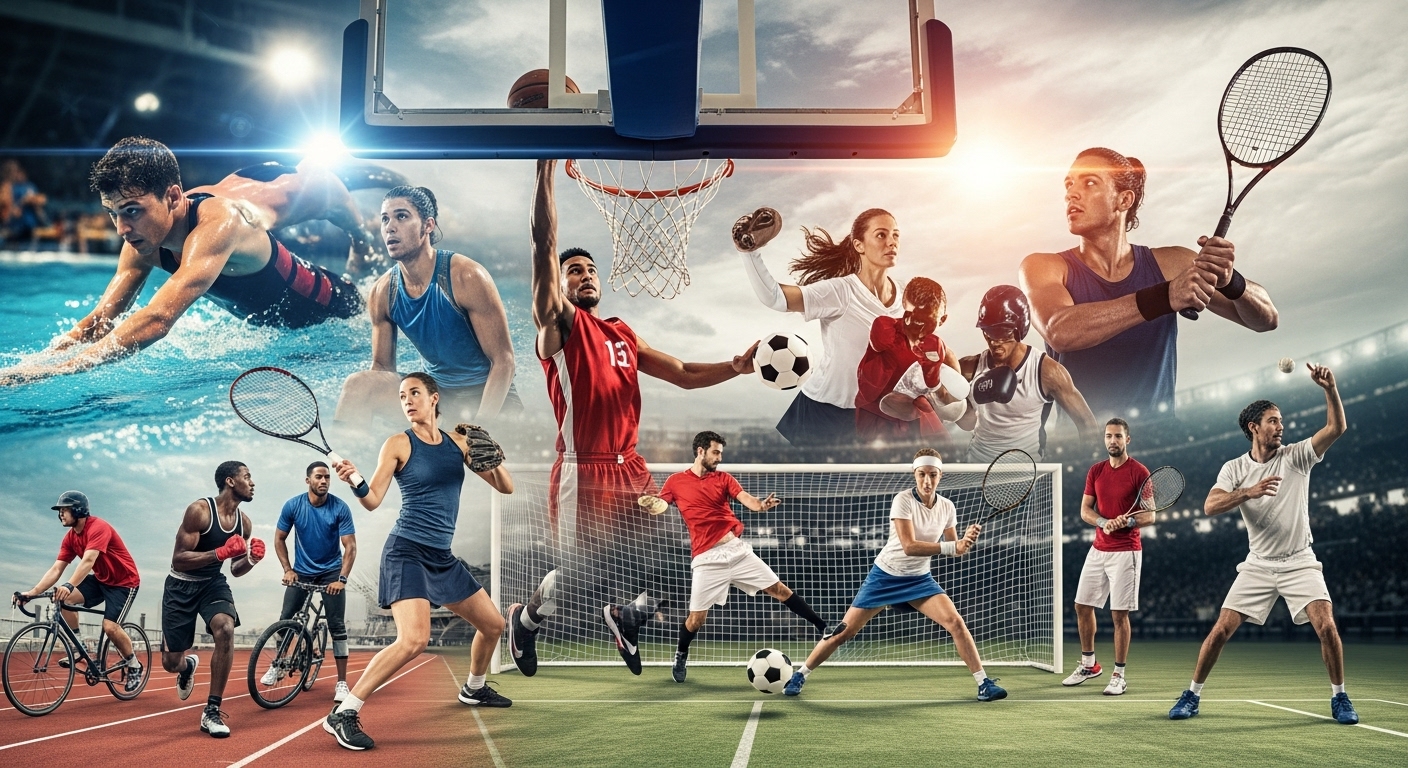
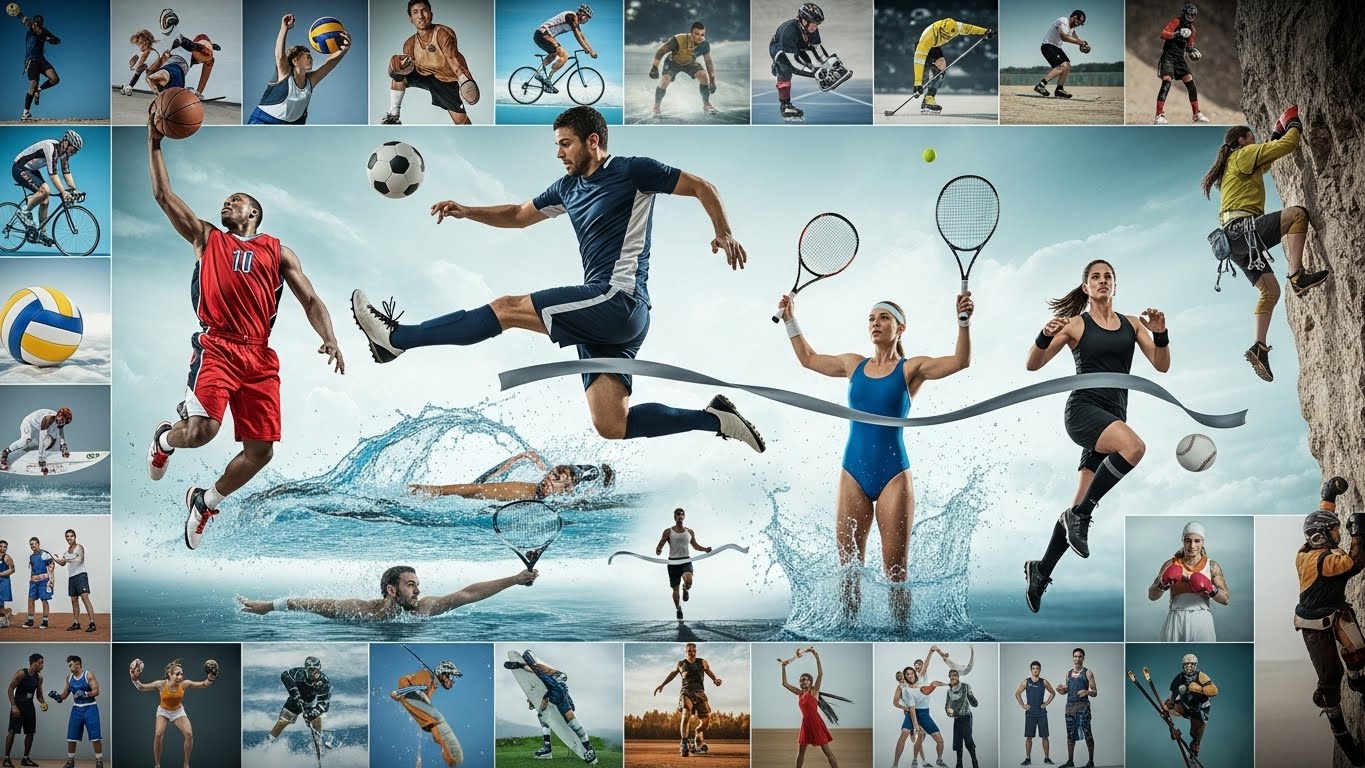
Sports have been a defining part of human culture for centuries, transcending borders and uniting people from all walks of life. From the cheers of a packed stadium to the quiet concentration of athletes in training, sports offer an unparalleled blend of physical challenge, emotional engagement, and community spirit. But beyond the excitement of winning or losing, sports play a significant role in shaping our personal and social lives. Whether we’re playing, watching, or simply discussing games with friends, sports serve as a mirror for life itself—teaching us lessons in perseverance, teamwork, and resilience.
Sports as a Bridge Between Cultures
In today’s globalized world, sports have become a universal language. Major events like the FIFA World Cup, the Olympics, and the Super Bowl bring together millions of people, each representing different nations and cultures, yet all coming together with a shared love of the game. It’s through sports that we witness the incredible ability of humanity to connect on a fundamental level. The shared experience of rooting for a team or celebrating an athlete’s success fosters unity and mutual respect, showing us that regardless of where we come from, we can all agree on the beauty of the game.
The Psychological Benefits of Playing Sports
Engaging in sports goes far beyond physical fitness—it is equally important for mental well-being. Studies have shown that physical activity, particularly in team sports, can reduce stress, improve mood, and boost overall mental health. The structure and discipline required in sports also teach time management and goal-setting, helping athletes stay focused on personal development. Whether it’s the thrill of competition or the camaraderie built among teammates, sports offer a sense of accomplishment and emotional reward that translates into other aspects of life.
Building Teamwork and Leadership Skills
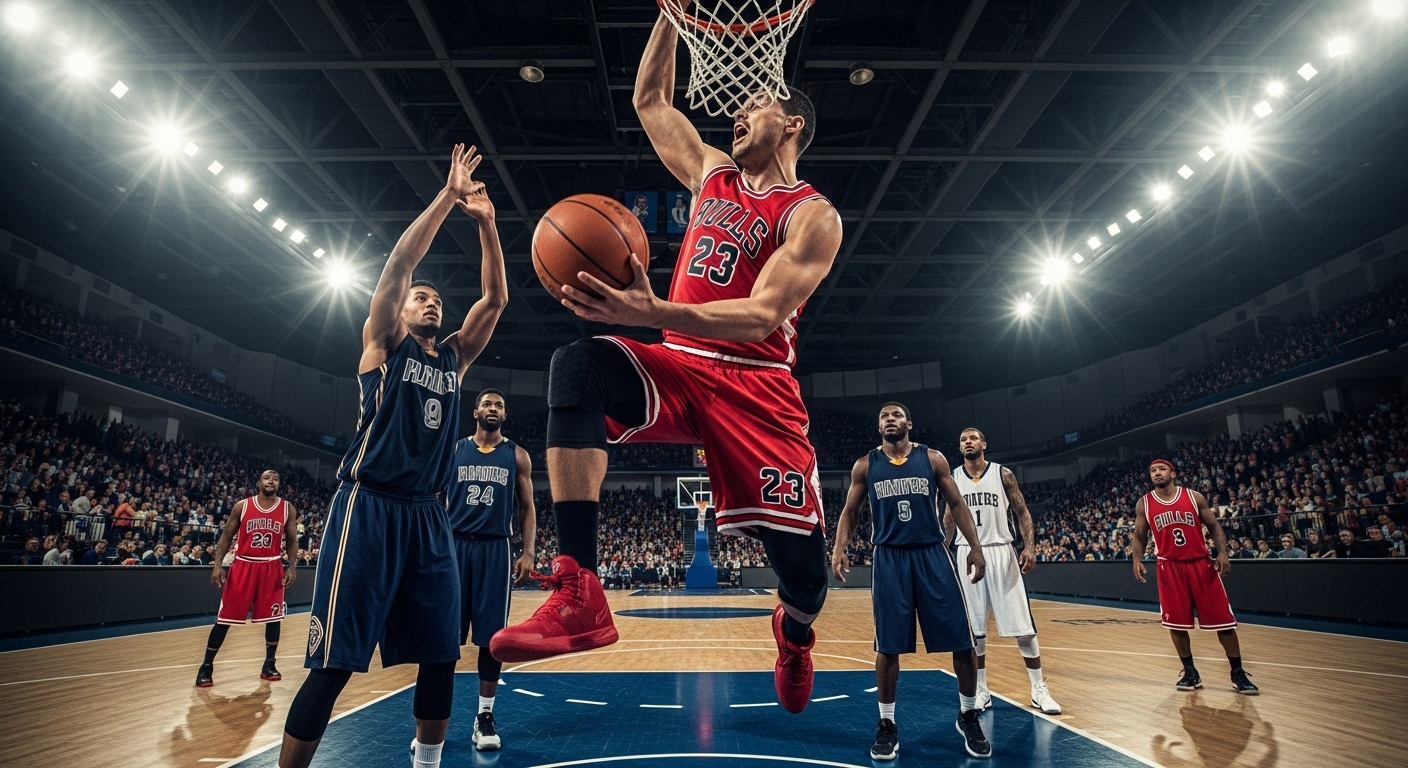
One of the most significant advantages of participating in sports is the development of teamwork and leadership skills. In every game, athletes learn to communicate effectively, collaborate with others, and function as part of a larger unit working towards a common goal. Whether it’s on a football field, a basketball court, or a track, the ability to trust and rely on teammates is essential. In many cases, the skills learned in these environments—such as conflict resolution, mutual respect, and leadership—become invaluable in personal and professional settings.
The Physical and Health Benefits of Sports
Of course, the most obvious benefit of sports is the physical exercise it provides. Regular participation in sports improves cardiovascular health, increases strength and endurance, and helps maintain a healthy weight. But beyond the basic physical benefits, sports can also reduce the risk of chronic diseases such as diabetes, high blood pressure, and obesity. The positive impact on physical health is compounded by the sense of achievement and self-confidence gained from improving athletic performance.
Sports and Personal Growth: Overcoming Adversity
In every sport, there are moments of triumph and failure. Athletes face challenges, both physical and mental, that push them to their limits. Yet, it is through these struggles that personal growth often occurs. Whether it’s pushing through the pain in a marathon or bouncing back from a loss in a championship game, sports teach us how to cope with adversity and bounce back stronger. These experiences can lead to greater resilience, perseverance, and the understanding that failure is not the end, but merely a step toward improvement.
The Role of Technology in Modern Sports
In the 21st century, technology has significantly transformed the world of sports. From advanced analytics and performance-tracking devices to virtual reality training programs, the integration of technology has revolutionized how athletes train, perform, and recover. Coaches now rely on detailed statistics to develop game strategies, while athletes use data-driven insights to improve their individual skills. Technology has not only enhanced performance but has also made sports more engaging for fans, who can access live statistics, replays, and in-depth commentary at their fingertips.
Sports as a Career and a Path to Success
While many people participate in sports for recreational reasons, for some, it becomes a career. Professional athletes are the epitome of success in sports, having honed their skills over years of hard work and dedication. These athletes inspire millions, serving as role models and symbols of what can be achieved through discipline and perseverance. But the impact of sports careers extends beyond the individuals themselves—athletes often become community leaders, philanthropists, and advocates for social change, using their platform to make a positive impact on society.
Conclusion: The Timeless Influence of Sports
Whether it’s the thrill of competition, the sense of belonging in a team, or the lessons learned from overcoming obstacles, sports have an enduring influence on our lives. They teach us more than just how to run faster or jump higher; they impart critical life skills, foster emotional well-being, and help build a sense of community and shared purpose. In a world that often feels divided, sports continue to offer a universal connection—a reminder that, regardless of where we come from, we are all playing the same game.
Sports are more than just games—they are an essential part of what it means to be human.