
Introduction: The Pulse That Connects Us All
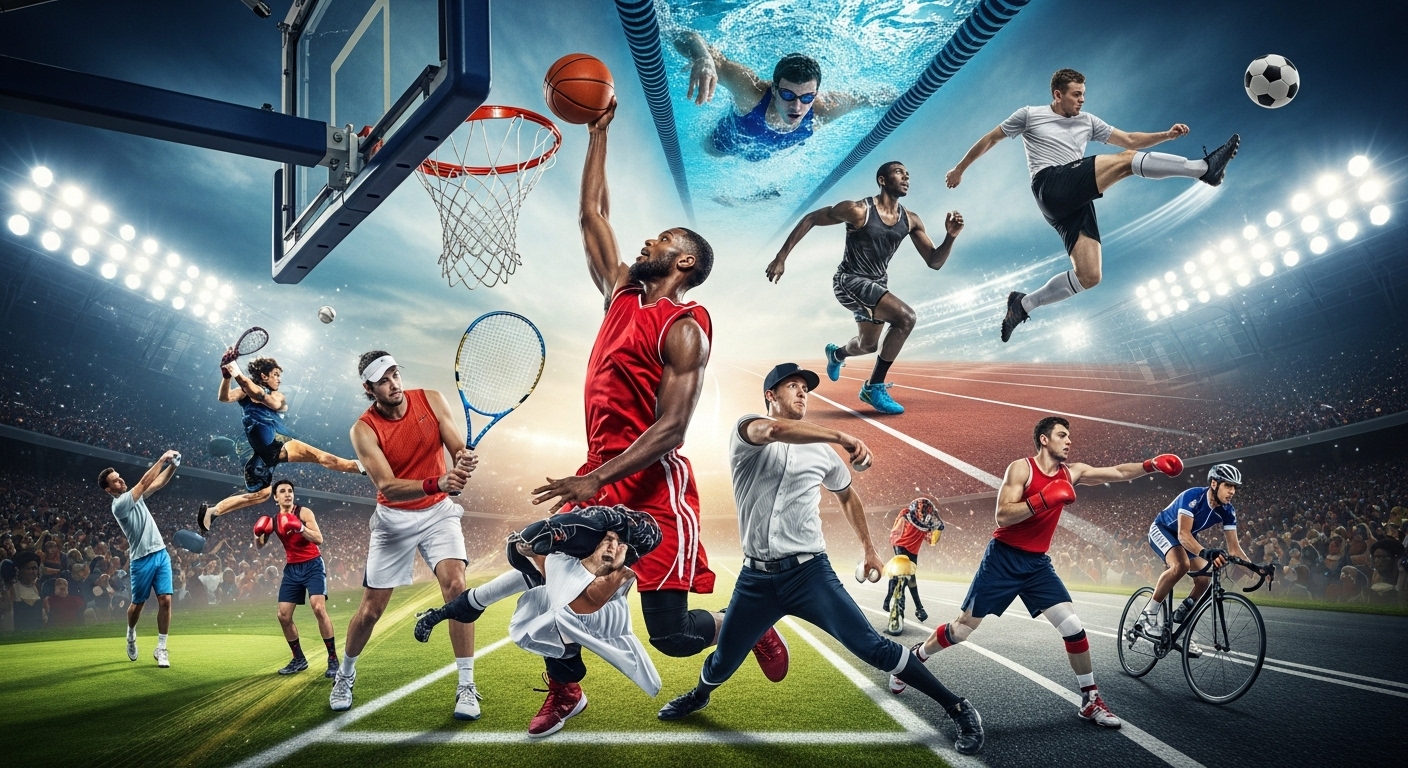
Sports are more than entertainment. They are the collective heartbeat of societies, a universal language spoken and understood across borders, cultures, and generations. Whether it is the roar of a packed stadium, the dusty playground where children chase a ball with unrestrained joy, or the solitary runner greeting the sunrise, sports shape how we live, how we connect, and how we express ourselves. In a world that often feels divided, sports remain a rare and powerful unifier.
This blog explores not just the thrill of competition but the deeper layers that make sports one of the most influential forces in modern life. From identity formation to economic impact, from mental resilience to technological evolution, the world of sports is a dynamic ecosystem constantly reinventing its role in society.
The Cultural Fabric Woven Through Sports
Every country has a sport that resonates uniquely within its population. In some places, football is almost a religion. In others, cricket forms the backbone of national pride. Sports have the remarkable ability to reflect and reinforce cultural values. Teamwork, discipline, respect, endurance, and resilience are not abstract concepts but lived experiences on playing fields.
To many communities, sports preserve traditions that might otherwise fade. Fans pass allegiances down like heirlooms, transforming stadiums into living museums of memory. Local tournaments become gatherings that strengthen community bonds. Even in global competitions, athletes carry pieces of their heritage onto the world stage, turning their performances into cultural storytelling.
Sports as a Builder of Identity and Personal Growth
For individuals, sports become pathways to discovering strengths, passions, and values. A young athlete learns early what commitment means—early mornings, challenging drills, and the persistence needed to improve. These lessons often become life foundations.
Identity in sports is not limited to athletes. Fans also shape their personalities around the teams they support. The colors they wear, the chants they know by heart, and the emotions they feel during wins and losses all become expressions of who they are. Sports communities create safe spaces where people feel belonging, no matter their background or social status.
The Evolution of Training and Technology in Modern Sports
Modern sports are no longer just about talent and practice. They are deeply integrated with technology, transforming the way athletes train, perform, and recover. Wearable devices track every heartbeat, virtual simulations help athletes visualize success, and advanced equipment minimizes injury risks while enhancing performance.
Even coaching has undergone a revolution. Video analysis, data-driven strategies, and biomechanical assessments provide insights that were unimaginable decades ago. With advancements in nutrition and medical science, athletes today enjoy longer careers and maintain peak physical condition in ways that redefine human boundaries.
This technological evolution does not diminish the spirit of the game. Instead, it elevates it, allowing athletes to reach new heights and inspiring future generations to dream even bigger.
Sports and Mental Well-Being: A Powerful Connection
While physical fitness is often highlighted, the mental health benefits of sports are equally profound. Regular participation in sports reduces stress, improves mood, boosts confidence, and strengthens emotional resilience. The discipline learned through sports helps individuals navigate real-world challenges with greater clarity and stability.
For professionals, mental health has finally become a recognized priority. High-pressure tournaments, demanding schedules, and intense public scrutiny take a toll. As mental health discussions gain momentum, athletes are increasingly encouraged to express vulnerability, transforming sports into a platform for broader social awareness.
The Global Economics of Sports
Sports today function as a massive global industry. Stadiums generate economic activity for entire cities. Major events invigorate tourism, retail, and hospitality. Sponsorships create opportunities not only for athletes but for brands and communities seeking to align with sports-driven values.
Beyond elite competitions, grassroots sports programs fuel local economies as well. From sports academies to small equipment shops, countless livelihoods depend on the sports ecosystem. The financial impact extends further into media, broadcasting, merchandise, and digital innovation.
This economic engine also highlights the importance of accessible sports programs, especially for underserved communities. When more people are encouraged to participate, the benefits ripple through society.
Sports and the Power of Unity in Diversity
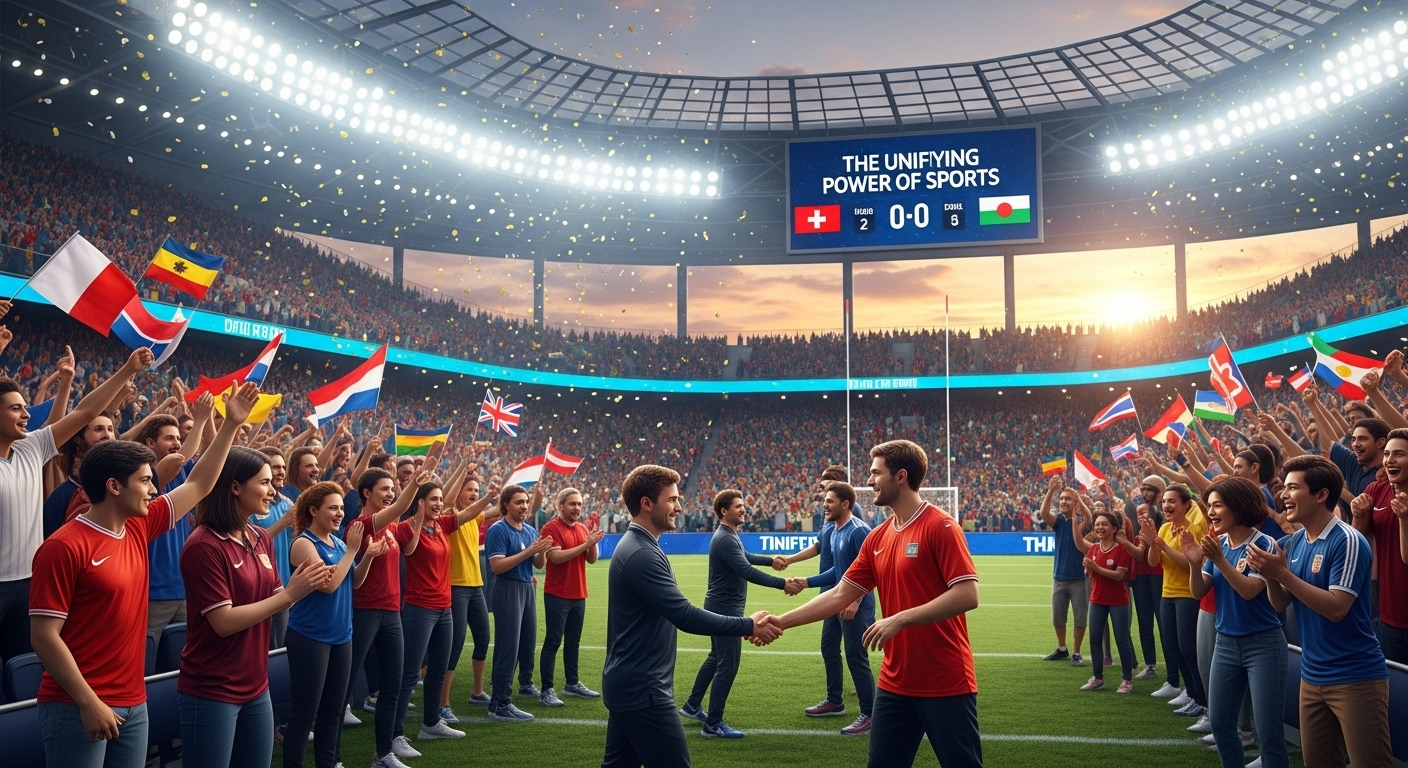
One of the most beautiful aspects of sports is its ability to bring diverse groups together. Fans sitting side by side in a stadium may come from vastly different walks of life, yet they cheer together with the same passion. A last-minute goal, a successful serve, or a record-breaking sprint evokes identical emotions regardless of identity or belief.
International tournaments showcase this unity on a grand scale. Athletes from around the world compete not in conflict but in healthy rivalry grounded in respect. These events remind us that competition does not need to create division; it can inspire admiration and friendship across cultures.
The Role of Sports in Youth Development
For young people, sports serve as an education that goes beyond textbooks. Discipline, teamwork, leadership, time management, and respect for rules are built through play and competition. The challenges faced in sports mirror real-life hurdles, teaching young athletes to persevere, adapt, and grow.
Youth sports also provide a constructive outlet that keeps children physically active and mentally engaged. In an era dominated by screens and digital distractions, sports encourage healthy lifestyles and meaningful social interactions.
Programs that make sports accessible to children from all backgrounds create equitable opportunities for growth. The future of sports—and society—depends on nurturing young talent with inclusive and supportive environments.
The Rise of Women in Sports
In recent years, women’s sports have experienced remarkable growth. Female athletes are breaking barriers, inspiring millions, and receiving recognition that was long overdue. Their achievements challenge outdated stereotypes and expand societal understanding of strength, resilience, and excellence.
As support continues to rise through media coverage, sponsorship, and grassroots initiatives, women’s sports will play an increasingly important role in shaping equality and empowerment worldwide.
The Emotional Highs and Lows That Make Sports Unforgettable
Fans know the feeling well: the tension of a close match, the heartbreak of a loss, the euphoria of victory. Sports evoke raw, unfiltered emotions that create lifelong memories. These moments become shared experiences passed on through generations.
What makes sports unforgettable is not only what happens on the field but what it means to us personally. A victory may symbolize national pride, personal triumph, or collective joy. A defeat teaches humility and reflection. Every match becomes a story, and every athlete becomes a character in the ongoing drama that captivates millions.
The Future of Sports in a Changing World
As the world evolves, so too will sports. We will see greater integration of technology, stronger emphasis on mental health, and continued efforts to make sports inclusive for all genders, abilities, and backgrounds. Virtual competitions, advanced analytics, and immersive fan experiences may redefine how we interact with sports, yet the core values—teamwork, passion, fairness, and perseverance—will remain unchanged.
The future of sports is not just about faster athletes or higher scores. It is about deepening the relationship between sports and society, ensuring that its benefits reach every corner of the world.
Conclusion: The Enduring Power of the Game
Sports are more than games played on fields and courts. They are mirrors of society, creators of culture, and engines of unity. They help individuals discover strengths they never knew they had and bring communities together in ways nothing else can. The passion we invest in our favorite teams, athletes, and competitions reflects our human need for connection and meaning.
Whether you are an athlete chasing excellence, a fan cheering from the stands, or someone who enjoys sports simply for the joy of movement, you are part of a global story that continues to unfold. Sports remind us that even in a complex world, simple moments of teamwork, competition, and shared excitement can bind us together.