Introduction: The Universal Language of Sports
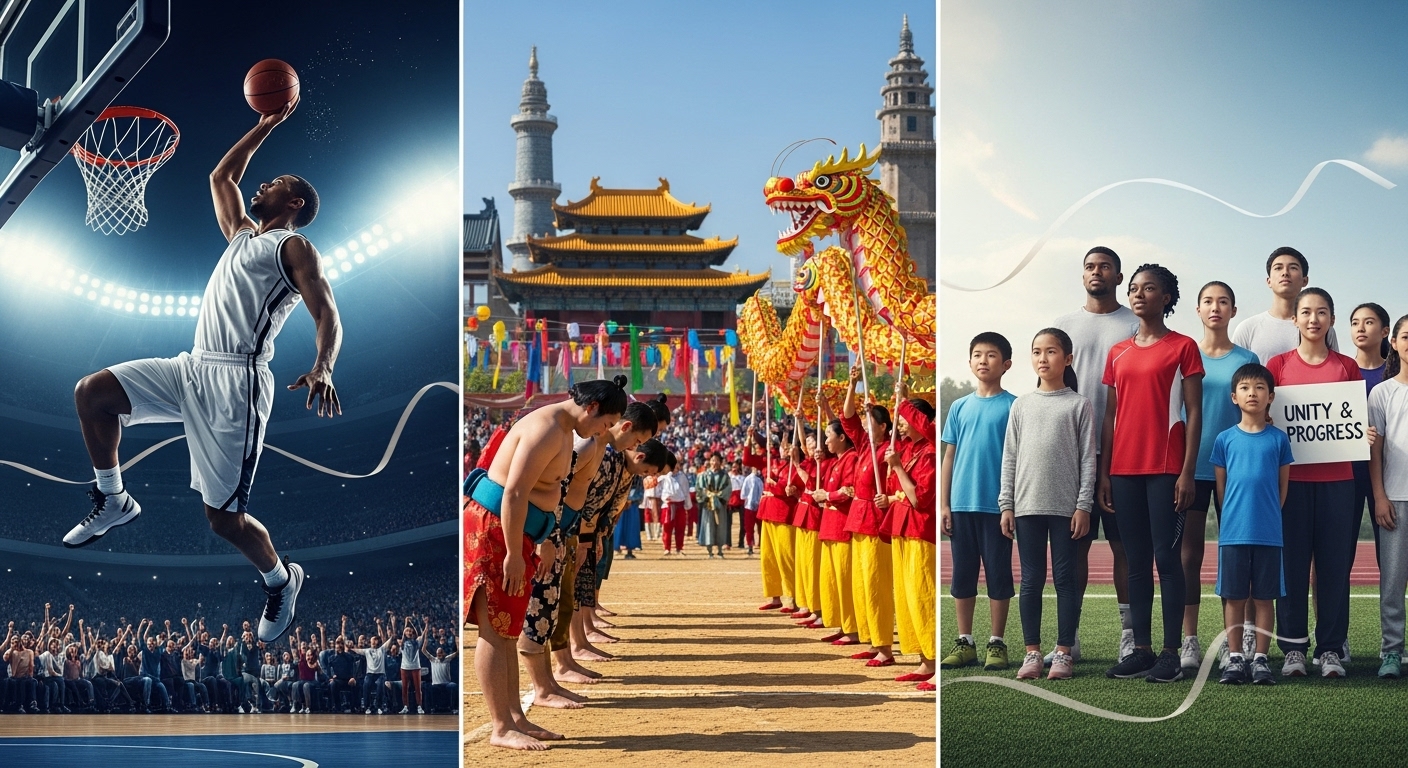
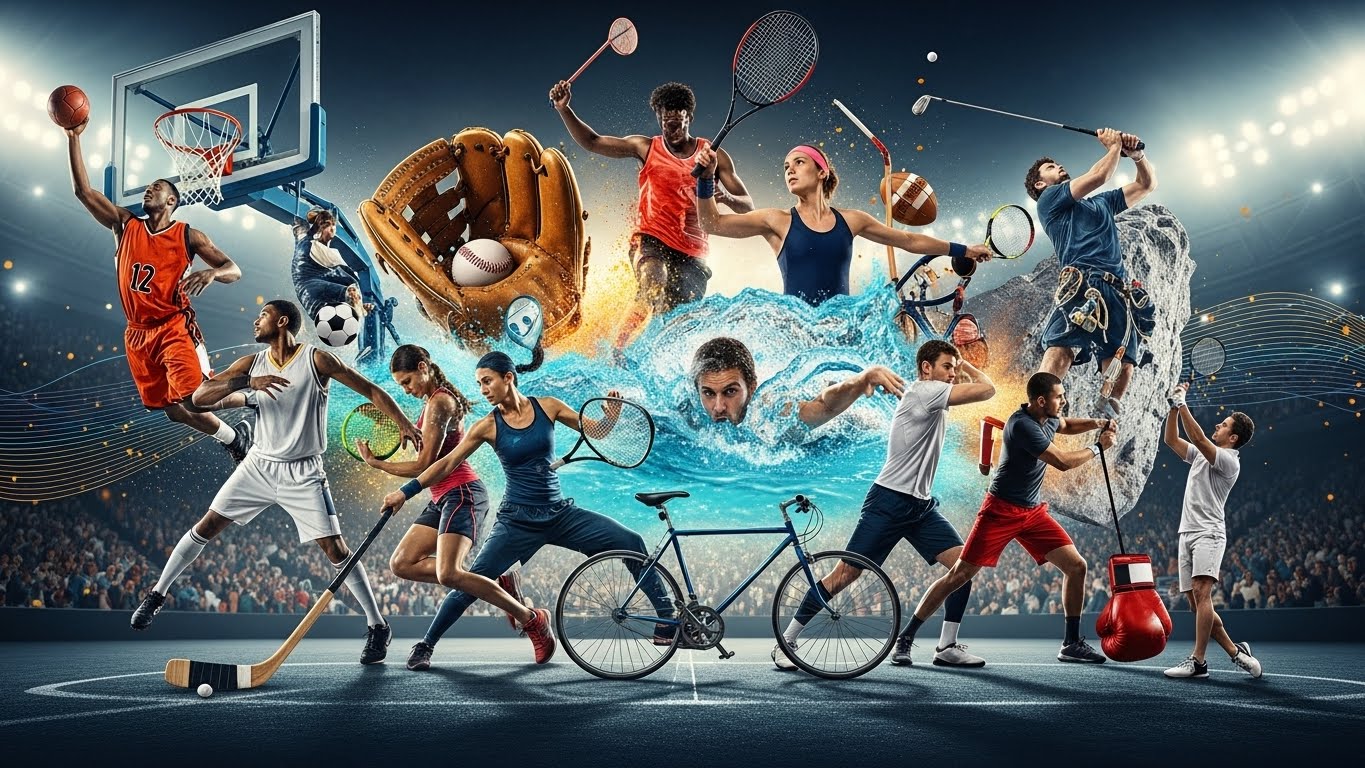
Sports have been an integral part of human culture for centuries, transcending borders, languages, and generations. They are more than just games; they are a reflection of society, a testament to human endurance, and a source of inspiration for millions. From the ancient Olympic Games in Greece to modern-day international championships, sports have served as a unifying force, bringing people together to celebrate achievement, teamwork, and the pursuit of excellence. Whether it is on a local field, in a high school gymnasium, or on the world stage, sports have a unique way of connecting people through shared passion and collective experiences.
The Physical Benefits of Sports
Engaging in sports provides unparalleled physical benefits. Regular participation enhances cardiovascular health, builds muscular strength, and improves flexibility and coordination. Activities such as running, swimming, football, and tennis engage multiple muscle groups, improving overall physical fitness and endurance. For young individuals, sports can significantly impact growth and development by fostering healthy habits early on. For adults, staying active through sports helps combat lifestyle diseases such as obesity, diabetes, and hypertension. Beyond the immediate physical benefits, consistent involvement in sports contributes to long-term wellness, increasing life expectancy and promoting a healthier lifestyle.
The Mental and Emotional Advantages
While the physical benefits are clear, sports also offer profound mental and emotional rewards. Engaging in physical activity stimulates the release of endorphins, the body’s natural mood enhancers, which can reduce stress, anxiety, and depression. Team sports, in particular, teach resilience, strategic thinking, and problem-solving skills. Players learn to cope with pressure, face challenges head-on, and recover from setbacks, fostering mental toughness. Individual sports like running, swimming, or martial arts help athletes develop focus, self-discipline, and mindfulness. The sense of accomplishment that comes from mastering a skill or winning a match boosts self-esteem and confidence, reinforcing a positive mental outlook that extends far beyond the sporting arena.
Building Character Through Sports
Sports are not just about physical prowess; they are a powerful tool for character development. Values such as discipline, perseverance, honesty, and teamwork are cultivated naturally on the playing field. Athletes learn to respect rules and authority while understanding the importance of fair play. Winning gracefully and losing with dignity are lessons that translate into real-life situations, teaching individuals how to handle success and failure with poise. Young athletes, in particular, gain essential life skills through consistent practice, coaching, and competition. Sports instill a strong work ethic and a commitment to goals, preparing individuals for challenges in academics, careers, and personal endeavors.
Sports as a Catalyst for Social Connection
Beyond personal growth, sports are a profound social connector. They bring together individuals from diverse backgrounds, fostering camaraderie and cultural exchange. Community sports leagues, school competitions, and neighborhood games create a sense of belonging and shared identity. On a larger scale, international events like the World Cup or the Olympics promote global unity, inspiring millions of people worldwide. Sports can break down societal barriers, promoting inclusion and mutual respect. They provide a platform for individuals to showcase talent, celebrate diversity, and build lifelong friendships. The collective joy of celebrating a victory or the shared disappointment of a loss creates bonds that transcend social and cultural divides.
The Economic Impact of Sports
Sports also play a significant role in the global economy. Professional leagues, tournaments, and sporting events generate employment, boost tourism, and drive commercial activity. From athletes and coaches to stadium staff and broadcasters, millions of people depend on the sports industry for their livelihoods. Merchandise sales, sponsorship deals, and media rights contribute significantly to economic growth. Moreover, sports infrastructure, such as stadiums and training facilities, often stimulates local development, improving community amenities and creating long-term benefits. Even at a grassroots level, investment in sports programs promotes youth engagement and community development, highlighting the multifaceted impact of sports on society.
Sports and Education
The relationship between sports and education is symbiotic. Participation in athletics enhances academic performance by improving concentration, discipline, and time management skills. Students involved in sports often exhibit higher levels of motivation and resilience, which translate into better classroom performance. Schools and universities recognize the value of integrating sports into education, promoting physical activity alongside intellectual growth. Scholarships and athletic programs provide opportunities for talented individuals to pursue higher education while honing their skills. By balancing academics and athletics, students learn to manage responsibilities, set priorities, and pursue excellence in multiple areas of life.
Inspiring Stories from the World of Sports
History is filled with inspiring stories of athletes who have overcome adversity to achieve greatness. From legendary figures who transformed the face of their sport to unsung heroes who inspire their local communities, these stories highlight the human spirit at its finest. Overcoming injury, personal challenges, and societal obstacles, athletes demonstrate courage, determination, and the relentless pursuit of dreams. Such narratives motivate aspiring athletes and fans alike, reminding us that success is not solely defined by talent but by perseverance, hard work, and belief in oneself. Sports have a unique way of creating heroes and role models who leave lasting legacies beyond their achievements.
The Role of Technology in Modern Sports
Modern sports have evolved dramatically due to technological advancements. Training methods, performance analysis, and injury prevention techniques have become increasingly sophisticated, enabling athletes to reach new heights. Wearable devices, data analytics, and video analysis allow coaches and players to make informed decisions and optimize performance. Technology also enhances the spectator experience, with instant replays, virtual reality, and live streaming bringing fans closer to the action. While the essence of sports remains rooted in skill and strategy, technology has transformed the way games are played, watched, and understood, making sports more dynamic and engaging than ever before.
Promoting Health and Well-Being Through Sports Initiatives
Governments, organizations, and communities recognize the role of sports in promoting health and well-being. Initiatives encouraging physical activity aim to reduce lifestyle-related illnesses and improve mental health. Programs that provide access to sports for underprivileged communities help bridge social gaps while fostering talent and self-confidence. By promoting inclusivity and accessibility, sports initiatives empower individuals to lead healthier, more fulfilling lives. Community fitness campaigns, local tournaments, and recreational programs create opportunities for people of all ages to engage in physical activity, emphasizing that sports are not just for professional athletes but for everyone seeking a healthier lifestyle.
The Future of Sports
The future of sports is bright and full of possibilities. With growing awareness of health and fitness, increasing technological integration, and a stronger emphasis on inclusivity, sports are poised to become even more influential. Esports, adventure sports, and adaptive sports for differently-abled individuals are expanding the definition of athleticism, ensuring that everyone can participate and thrive. The global community continues to celebrate achievements, innovation, and the spirit of competition, making sports an enduring source of inspiration, joy, and human connection. As society evolves, sports will continue to reflect cultural shifts, foster unity, and provide a platform for individuals to achieve greatness in all its forms.
Conclusion: More Than Just a Game
Sports are far more than entertainment; they are a reflection of life itself. They teach lessons in resilience, teamwork, and dedication while providing physical, mental, and social benefits. They inspire communities, drive economies, and unite people across the globe. The beauty of sports lies not only in victory or defeat but in the journey, the effort, and the shared human experience. From local playgrounds to international arenas, sports continue to shape individuals and societies, leaving an indelible mark on human history. In the end, sports remind us of the limitless potential of human spirit and the power of collective passion, proving that beyond the game lies the essence of what it means to strive, persevere, and connect.