Introduction: More Than Just a Game
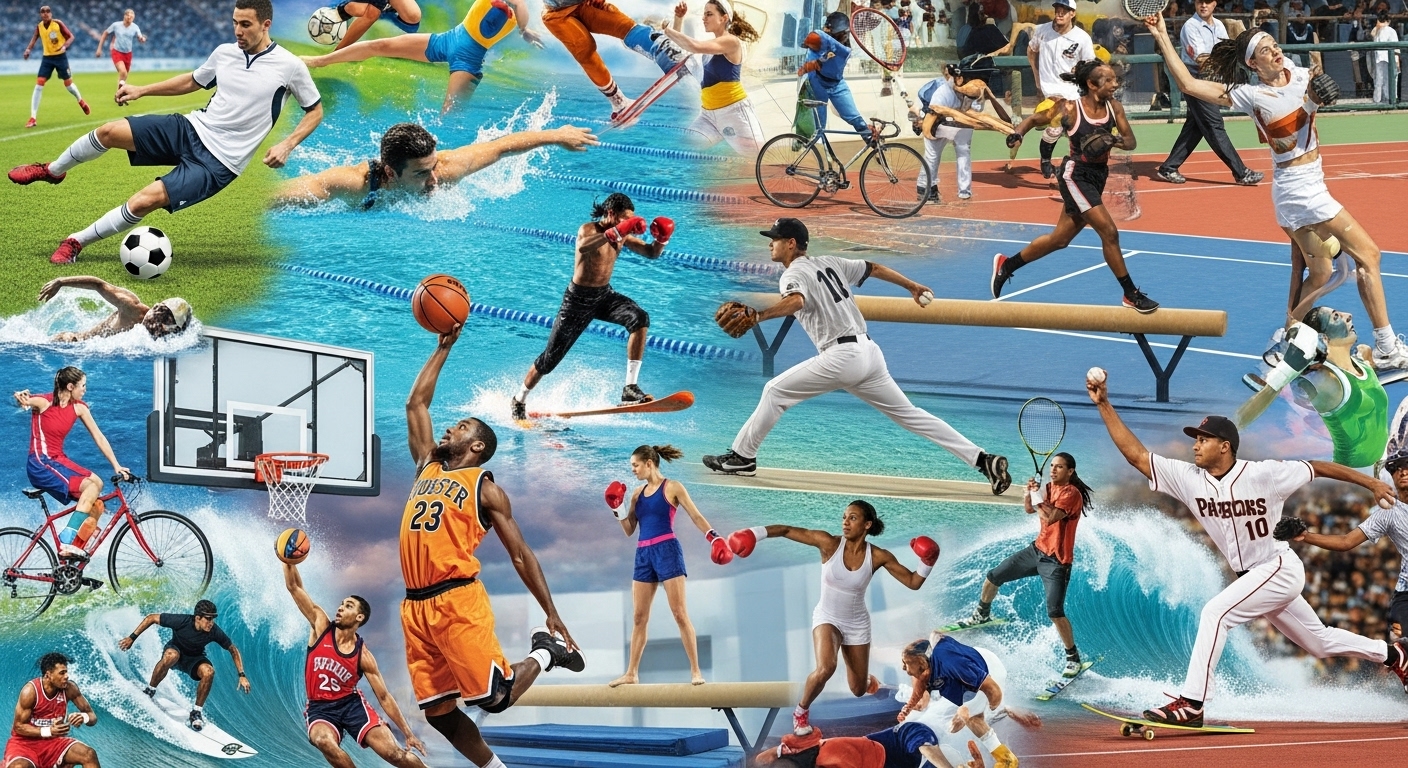
Sports have always been more than a simple contest between two sides. From dusty playgrounds to grand stadiums filled with roaring crowds, sports reflect the emotions, struggles, dreams, and values of society. They bring together people of different backgrounds, languages, and beliefs under one shared passion. Whether played professionally or casually, sports influence physical health, mental strength, social unity, and even national identity. In a fast-changing world, sports remain a powerful constant that continues to shape individuals and communities in meaningful ways.
The Universal Language of Sports
One of the greatest strengths of sports is their universal appeal. A football match, a cricket test, or an Olympic race can be understood and enjoyed without words. The rules may vary, but the emotions are the same everywhere: joy in victory, pain in defeat, hope during competition, and respect for effort. Sports break barriers of culture and geography, allowing people to connect instantly. A single moment of brilliance on the field can unite millions, creating shared memories that last for generations.
Building Physical Strength and Healthy Habits
At its core, sports promote physical fitness and well-being. Regular participation improves strength, endurance, flexibility, and coordination. In a time when sedentary lifestyles and screen dependency are increasing, sports encourage movement and active living. For young people especially, involvement in sports helps develop healthy habits early in life. These habits often continue into adulthood, reducing the risk of lifestyle-related illnesses and improving overall quality of life. Physical health gained through sports is not temporary; it becomes a foundation for long-term wellness.
Mental Toughness and Emotional Balance
Sports are not only a test of physical ability but also a challenge to the mind. Athletes must learn to handle pressure, manage stress, and stay focused under intense conditions. Losing a match teaches resilience, while winning builds confidence. Sports help individuals understand failure as part of growth rather than an end point. This mindset is valuable beyond the playing field, helping people face challenges in education, careers, and personal life. The discipline and emotional control developed through sports often translate into stronger mental health and self-belief.
Discipline, Dedication, and Time Management
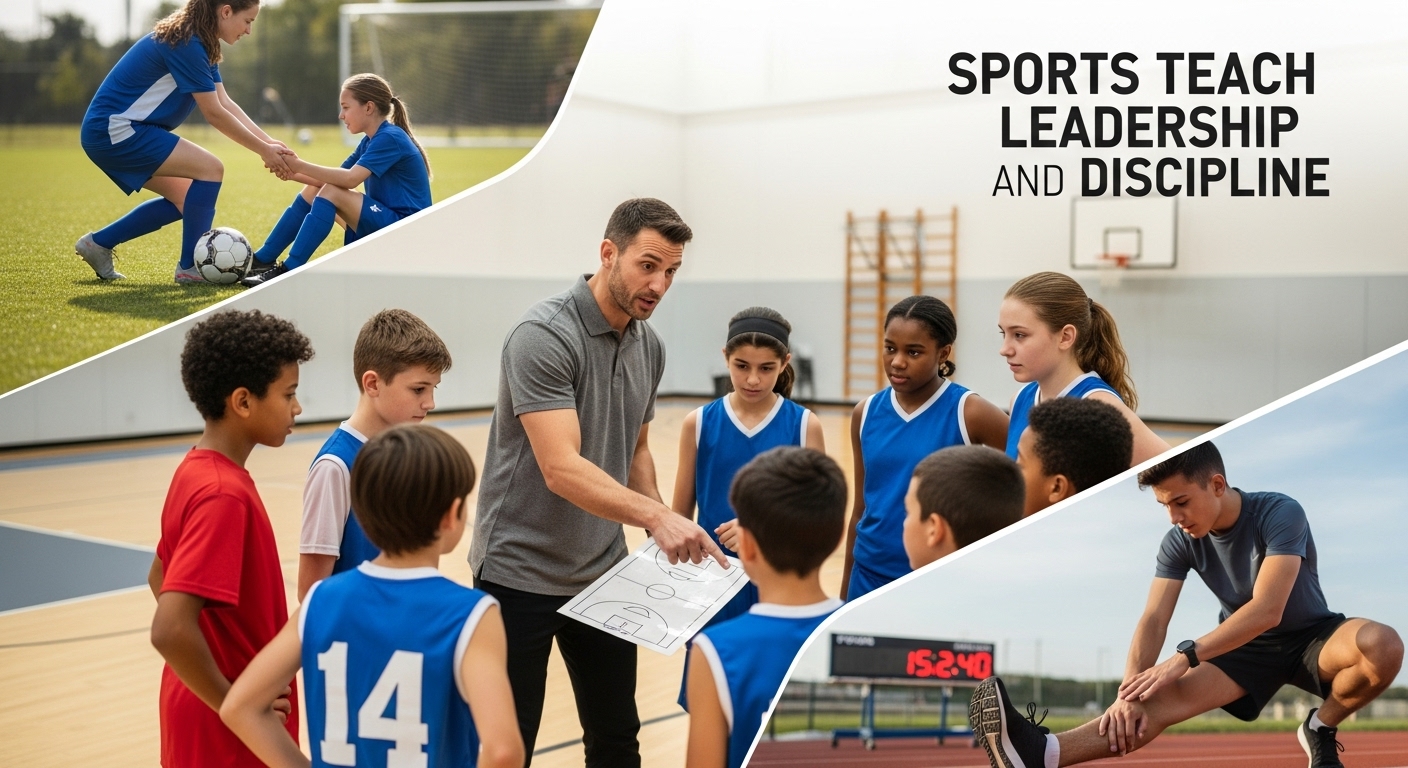
Success in sports demands discipline. Training schedules, practice routines, and fitness goals require commitment and consistency. Athletes quickly learn the importance of time management as they balance sports with studies, work, or family responsibilities. This sense of discipline shapes character and work ethic. Even those who do not pursue sports professionally benefit from these lessons, as they apply the same dedication to other areas of life. Sports teach that progress comes through patience, effort, and persistence.
Teamwork and Leadership Skills
Team sports, in particular, are powerful tools for learning cooperation and leadership. Players must trust one another, communicate effectively, and work toward a common goal. Individual talent alone is rarely enough; success depends on unity and coordination. Sports environments naturally develop leadership qualities, as captains and senior players guide and motivate their teams. These skills are highly valuable in professional and social settings, making sports an excellent training ground for future leaders.
Sports as a Mirror of Society
Sports often reflect the values and challenges of the societies in which they exist. Issues such as equality, fairness, and inclusion frequently emerge through sports platforms. Over time, sports have played a role in breaking social barriers, promoting gender equality, and providing opportunities for marginalized communities. Athletes often become role models, using their influence to inspire positive change. In this way, sports are not separate from society but deeply connected to its progress and struggles.
The Role of Sports in Youth Development
For young people, sports can be life-changing. Participation builds confidence, improves social skills, and provides a sense of belonging. Sports offer a constructive outlet for energy and emotions, keeping youth engaged in positive activities. Many learn important life lessons such as respect, responsibility, and fair play through competition. Coaches often become mentors, guiding young athletes not only in technique but also in values. These experiences shape personality and character during crucial developmental years.
Professional Sports and Global Influence
Professional sports have grown into a global industry, influencing economies, media, and popular culture. Major tournaments capture worldwide attention and generate significant economic activity. Athletes become international icons, admired for their talent and dedication. While professional sports bring fame and financial rewards, they also highlight the importance of hard work and sacrifice. Behind every successful athlete are years of training, setbacks, and perseverance, reminding audiences that greatness is earned, not given.
Sportsmanship and Ethical Values
True sportsmanship lies at the heart of meaningful competition. Respect for opponents, officials, and rules defines the spirit of sports. Winning with humility and losing with grace are values that sports aim to teach. Ethical behavior on and off the field builds trust and integrity. In a competitive world, sportsmanship reminds us that how we play the game matters as much as the final result. These values help create a culture of respect and fairness that extends beyond sports.
Technology and the Changing Face of Sports
Modern sports have been transformed by technology. Advanced training methods, performance analysis, and improved equipment have raised standards across all levels. Technology has also changed how fans experience sports, bringing them closer to the action. While these advancements enhance performance and engagement, they also raise questions about balance and fairness. Despite these changes, the essence of sports remains the same: human effort, passion, and competition.
Sports as a Source of Inspiration
Stories of athletes overcoming adversity inspire millions. From humble beginnings to global success, these journeys show what is possible with determination and belief. Sports heroes often represent hope, proving that circumstances do not define destiny. Their stories motivate people to chase their own goals, whether in sports or other fields. Inspiration drawn from sports goes beyond entertainment; it becomes a driving force for personal ambition and social change.
Community, Identity, and Belonging
Sports play a vital role in building community identity. Local teams bring neighborhoods together, creating pride and unity. National teams strengthen a sense of belonging and shared identity. Celebrating victories and enduring defeats together fosters emotional connections among fans. Sports events become social gatherings where people share experiences and emotions. This sense of community is one of the most powerful and enduring aspects of sports culture.
Conclusion: The Lasting Impact of Sports
Sports are a reflection of the human spirit, combining physical strength, mental resilience, and emotional depth. They teach valuable lessons that extend far beyond the playing field, shaping character, building communities, and inspiring change. In every match played and every goal scored, there is a story of effort, passion, and hope. As the world continues to evolve, sports will remain a vital force, reminding us of the power of unity, discipline, and the relentless pursuit of excellence.