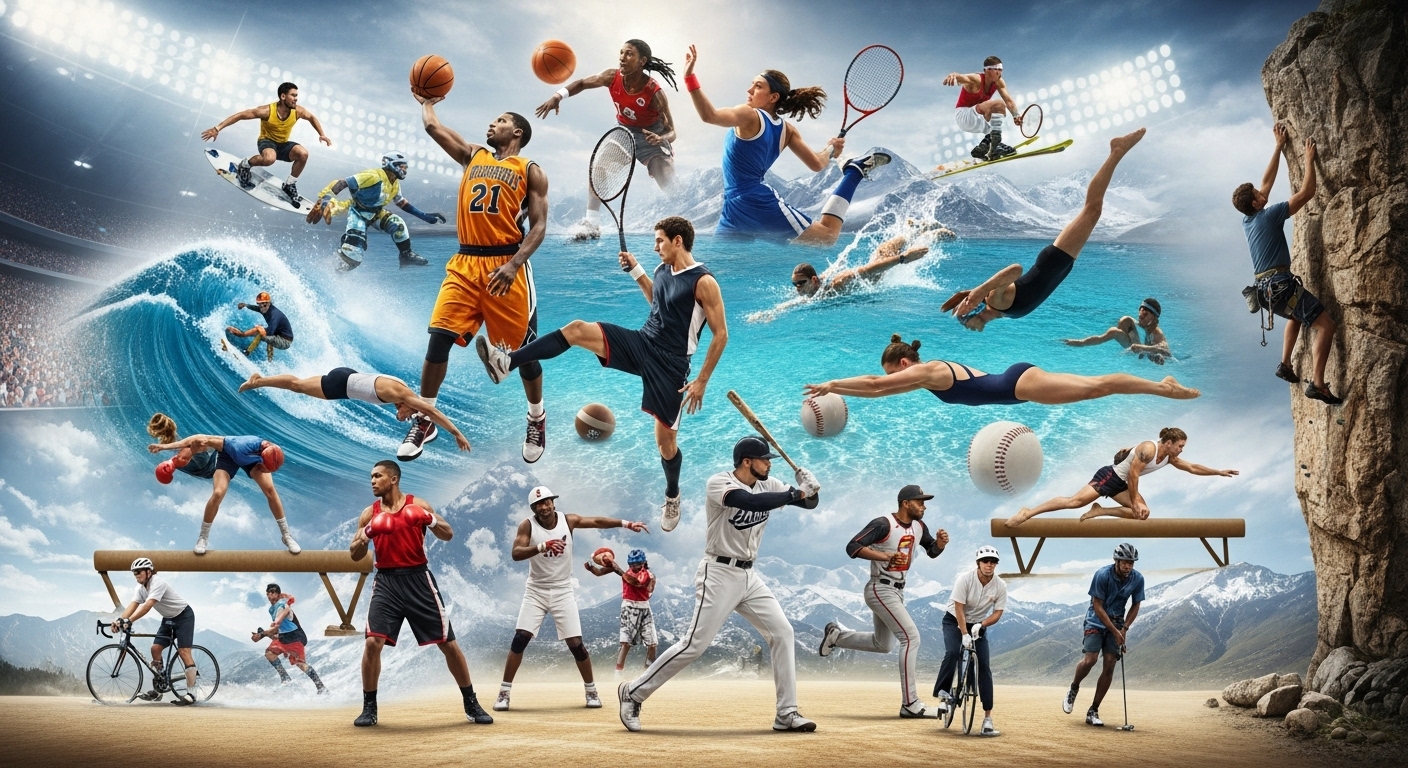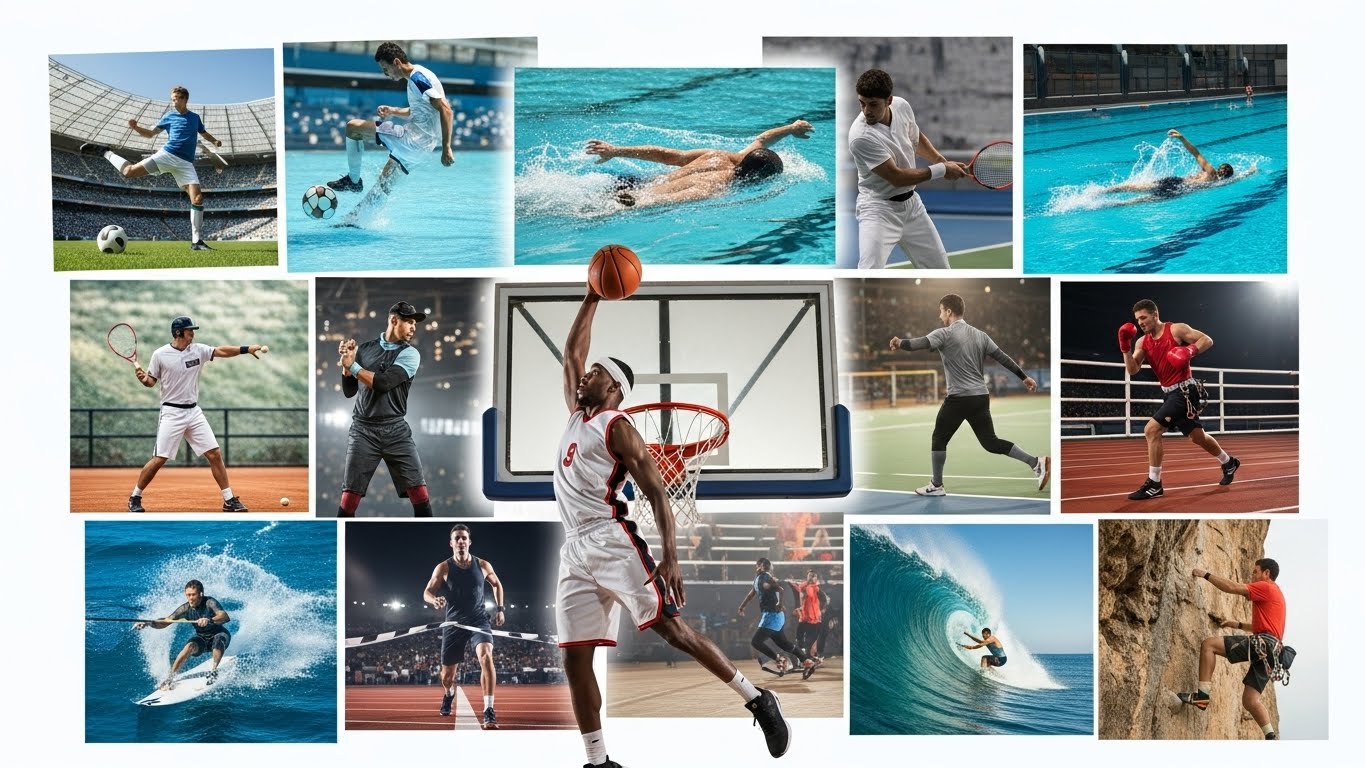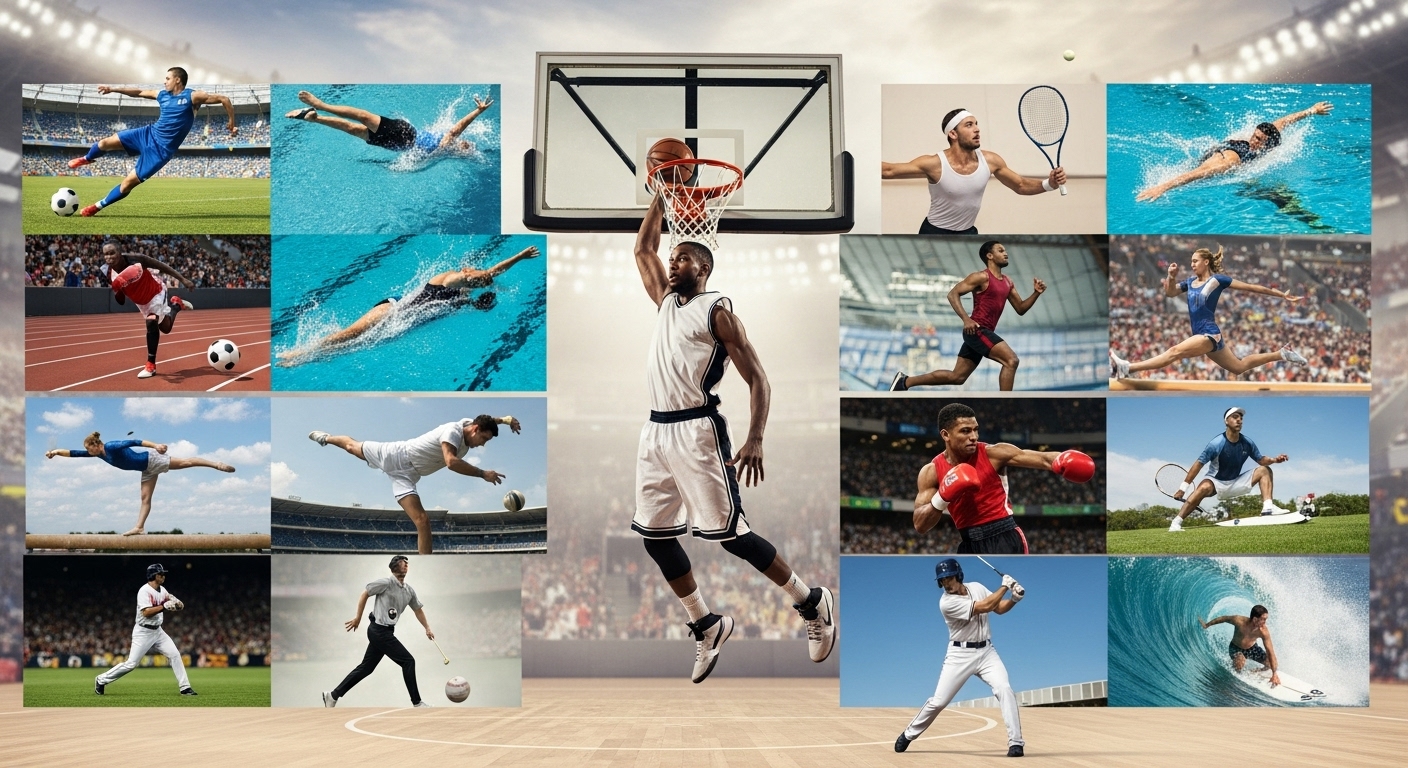
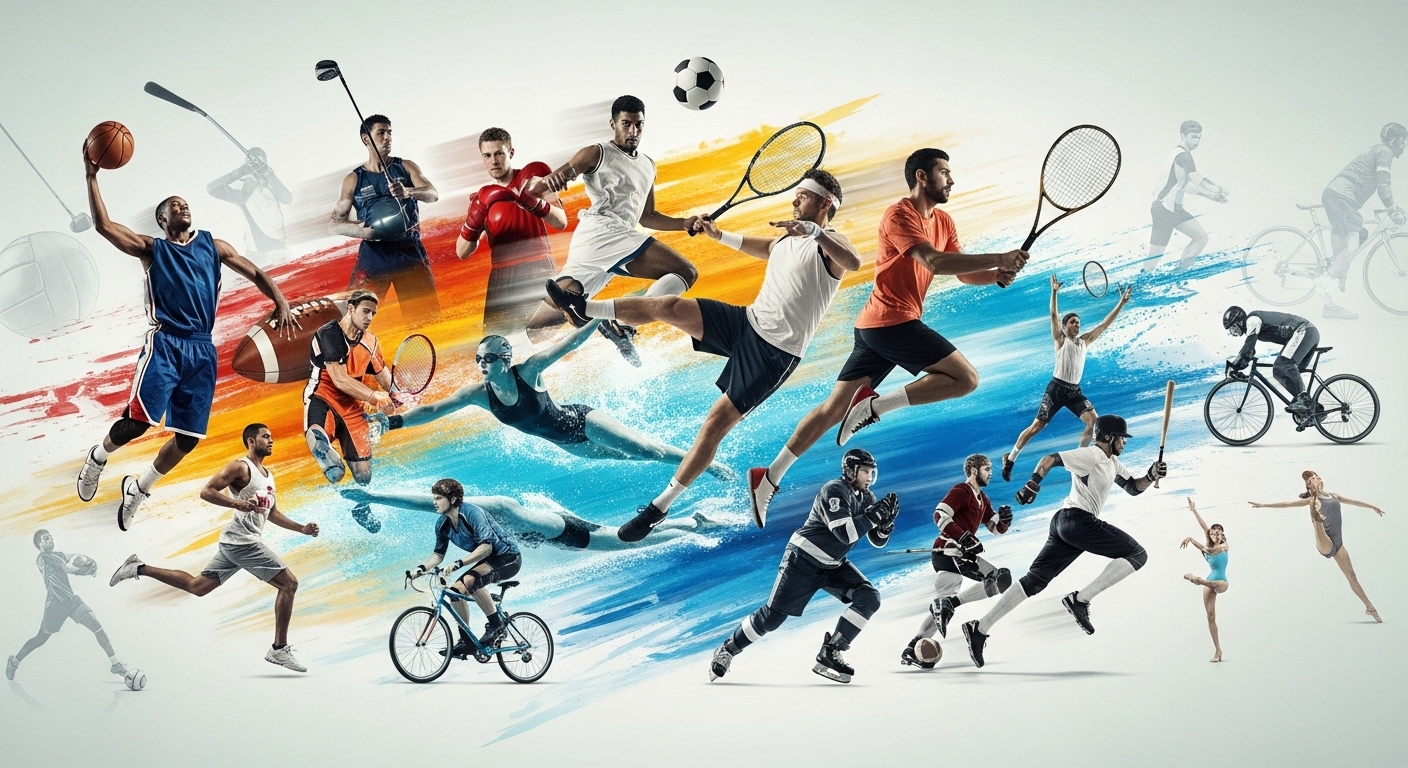
Sports have a profound impact on societies and individuals alike, shaping cultures, fostering unity, and driving personal growth. From ancient civilizations to the modern world, human history has been interwoven with the excitement, challenges, and collective spirit of sports. Whether it’s the spectacle of the Olympic Games or a local Sunday league match, sports have the power to bring people together, elevate health, and build character. In this blog post, we will explore the many dimensions of sports, including its physical, psychological, and social benefits, while emphasizing its role in promoting personal development and positive societal change.
The Physical Impact of Sports on the Human Body
One of the most evident benefits of engaging in sports is the physical impact it has on the body. Regular participation in sports offers a range of physical health benefits that help individuals maintain their well-being over time. Most sports require a combination of cardiovascular endurance, strength, agility, and coordination. For instance, running and cycling enhance cardiovascular health, while sports like weightlifting and swimming help build muscle strength. The repetitive nature of many sports, such as tennis or basketball, also promotes flexibility and improves coordination.
In addition to promoting overall physical fitness, sports are also instrumental in managing and preventing various health conditions. Obesity, heart disease, diabetes, and high blood pressure are just a few of the chronic conditions that can be mitigated through regular participation in physical activities. Furthermore, sports can help individuals manage stress, improve sleep quality, and boost their immune systems. In fact, just a small amount of moderate exercise can go a long way in enhancing both short-term and long-term physical health.
The Psychological and Emotional Benefits of Sports
Beyond the physical gains, sports offer a wealth of psychological and emotional benefits. Physical activity is well-known for its positive impact on mental health. The simple act of engaging in sports releases endorphins, which are the brain’s natural mood-boosting chemicals. These endorphins create feelings of happiness, reducing stress and anxiety. Whether it’s a competitive game or a casual jog, physical exertion offers an immediate mood lift, providing athletes with a sense of accomplishment and fulfillment.
Sports can also have a transformative effect on self-esteem and confidence. For example, mastering a new skill or overcoming a challenging obstacle in a game can lead to a surge of self-worth. This, in turn, can help individuals tackle challenges in other areas of their lives, such as academics, work, or relationships. Regular sports participation builds resilience, teaching athletes how to cope with failure, handle setbacks, and stay positive even in difficult situations.
Moreover, many athletes find that sports provide an essential outlet for managing negative emotions. Whether it’s the frustration of a long day or the pressure of personal struggles, sports serve as a healthy distraction and an emotional release. They allow individuals to channel their energy into something productive and positive, offering a sense of emotional catharsis.
Team Sports and Social Connection
One of the most powerful aspects of sports is its ability to foster social connection and teamwork. Team sports, in particular, emphasize collaboration, communication, and mutual respect. Being part of a team creates a sense of belonging and encourages athletes to rely on one another for success. The friendships formed on the field often extend beyond the game, leading to lasting relationships both on and off the field.
The sense of community created by sports is especially important in an increasingly disconnected world. In a society where many people experience feelings of isolation or loneliness, joining a sports team or even participating in a local recreational league can provide a sense of social support and connection. Sports transcend barriers of age, gender, and socioeconomic status, creating a space where individuals from diverse backgrounds can come together with a shared goal.
Team sports also teach valuable life skills such as leadership, teamwork, and conflict resolution. Captains and team leaders must inspire their teammates, making decisions that serve the collective good. Team members, in turn, must learn to support one another, communicate effectively, and navigate conflicts in a healthy manner. These skills are transferable to the workplace, family life, and broader community interactions.
Sports as a Tool for Building Discipline and Commitment
Engaging in sports instills qualities that extend far beyond the athletic field. One of the most significant values that sports impart is discipline. Success in any sport requires consistency, focus, and a strong work ethic. Athletes must dedicate themselves to regular training, maintain a healthy lifestyle, and make sacrifices in order to perform at their best. Whether it’s waking up early for practice or following a strict diet regimen, sports demand a level of commitment and discipline that is often lacking in other aspects of life.
This commitment to improvement doesn’t happen overnight. It takes years of hard work, practice, and setbacks before athletes reach their peak potential. But the persistence required to succeed in sports builds an inner strength that carries over into all other areas of life. Individuals who develop discipline through sports are often better at managing time, setting goals, and prioritizing responsibilities in their personal and professional lives.
Sports also help athletes learn the importance of focus. Training for a sport requires undivided attention to technique, strategy, and physical performance. This focus sharpens mental clarity and allows athletes to block out distractions, making them more effective and efficient in their day-to-day tasks.
Character Building Through Sports
Another vital component of sports is the development of good character. The values taught through sports—such as honesty, integrity, teamwork, and resilience—are critical in shaping individuals into responsible and empathetic people. For instance, sportsmanship teaches players how to handle victory with humility and defeat with grace. Whether an athlete wins or loses, they are encouraged to be respectful of their opponents and to take personal responsibility for their performance.
Sports are also a powerful way to teach perseverance. Every athlete has faced failure, whether it’s a missed shot, a loss in a game, or a personal setback. However, sports provide athletes with the opportunity to learn from failure and bounce back stronger. This resilience fosters mental toughness and the ability to face challenges head-on in other aspects of life.
Moreover, the challenges athletes face on the field or court often mirror those they encounter in their personal lives. The ability to stay focused under pressure, manage stress, and maintain composure in difficult situations can help athletes navigate challenges in their relationships, careers, and education. In this way, sports become a training ground for building character and emotional strength.
The Role of Sports in Education and Personal Development
Sports also play a crucial role in personal development, particularly for students. In many schools, physical education and sports programs are seen as essential to the overall development of a student. Beyond the physical benefits, sports encourage qualities such as leadership, teamwork, and communication—skills that are invaluable in the classroom and in life.
Many students who participate in sports report higher levels of academic achievement. The discipline required to excel in sports translates to improved focus and time-management skills, which benefit academic performance. Moreover, students involved in sports are often better equipped to handle pressure, think critically, and engage in group discussions—all of which are key to success in education.
Sports also provide students with a sense of achievement and recognition. Whether it’s winning a tournament or setting a personal record, the rewards of sports participation can help students develop confidence and self-esteem. This confidence can translate into better performance in school, as students believe in their ability to succeed both in academics and other endeavors.
Sports as a Catalyst for Social Change
In addition to personal development, sports have the potential to drive large-scale social change. Throughout history, athletes have used their influence to advocate for social justice, human rights, and equality. Icons like Jackie Robinson, Muhammad Ali, and Billie Jean King used their platforms to challenge societal norms and break down racial and gender barriers. Their courage and activism continue to inspire athletes today to use sports as a means of promoting positive change.
In the modern era, athletes continue to raise awareness about critical issues such as racial inequality, environmental sustainability, and gender equality. Social media has amplified their voices, allowing athletes to engage directly with fans and advocate for causes they believe in. Sports provide a universal platform for raising awareness and driving change, uniting people across borders and backgrounds to support causes that matter.
Conclusion: The Enduring Power of Sports
The influence of sports on human lives is undeniable. From improving physical health to building mental strength and fostering social bonds, sports have a unique ability to transform individuals and communities. Whether it’s the discipline learned from years of training, the emotional resilience gained from overcoming setbacks, or the friendships formed through shared experiences, sports have a profound effect on personal development.
Beyond individual benefits, sports serve as a catalyst for social change, promoting unity, equality, and positive societal transformation. Sports are not just a form of entertainment; they are a means of fostering personal growth, building character, and creating connections that transcend boundaries.
Ultimately, sports represent the enduring power of human connection and the pursuit of excellence. They remind us of the importance of hard work, teamwork, and resilience—and, perhaps most importantly, they remind us that the true spirit of sports is about more than winning or losing; it’s about growing, learning, and connecting with others along the way.