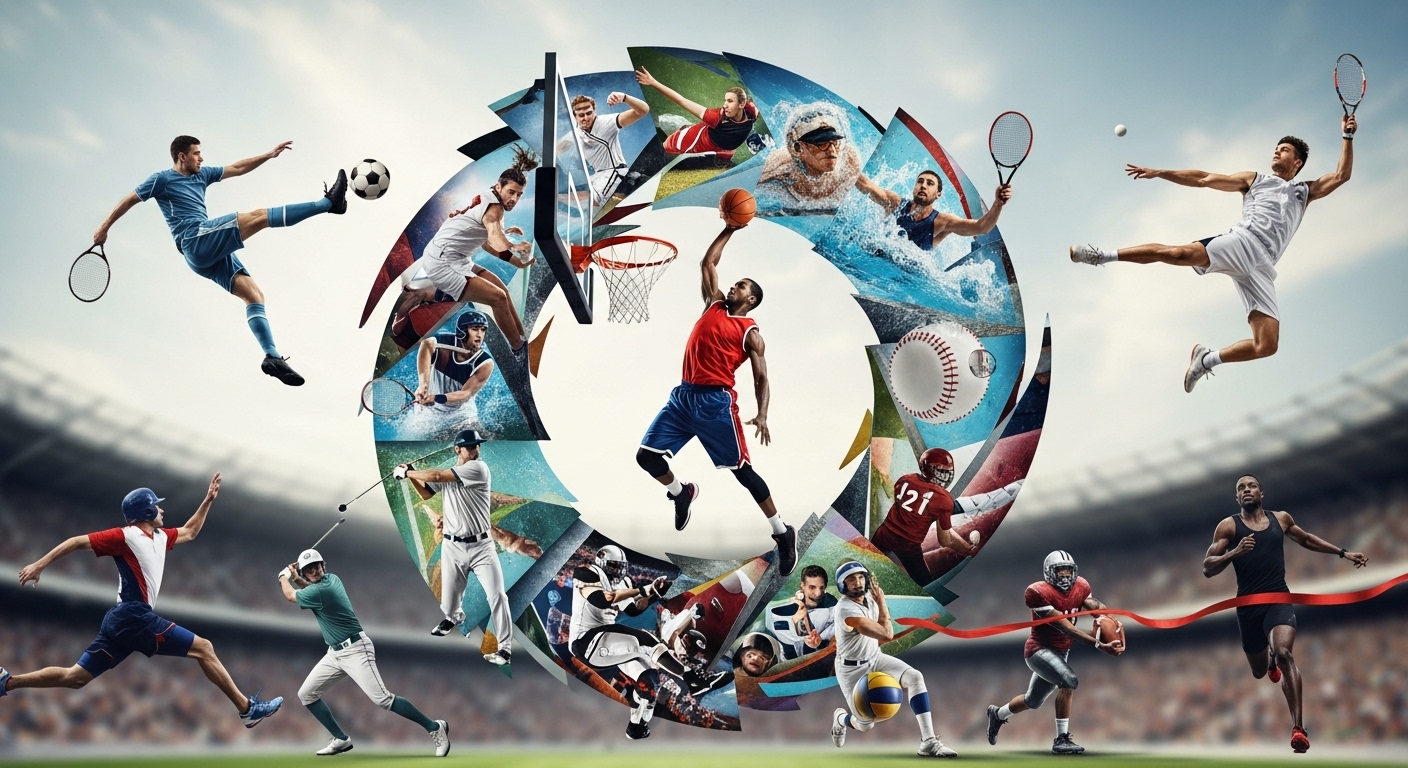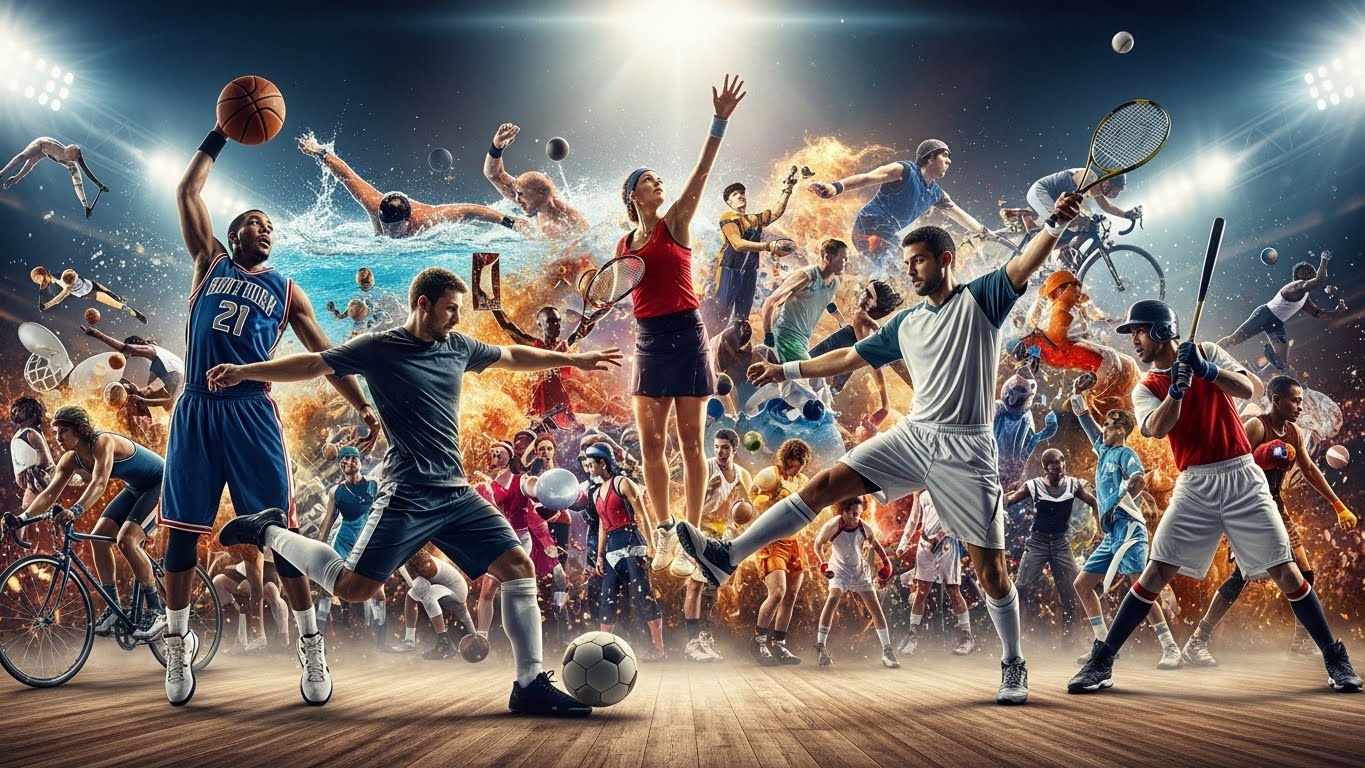
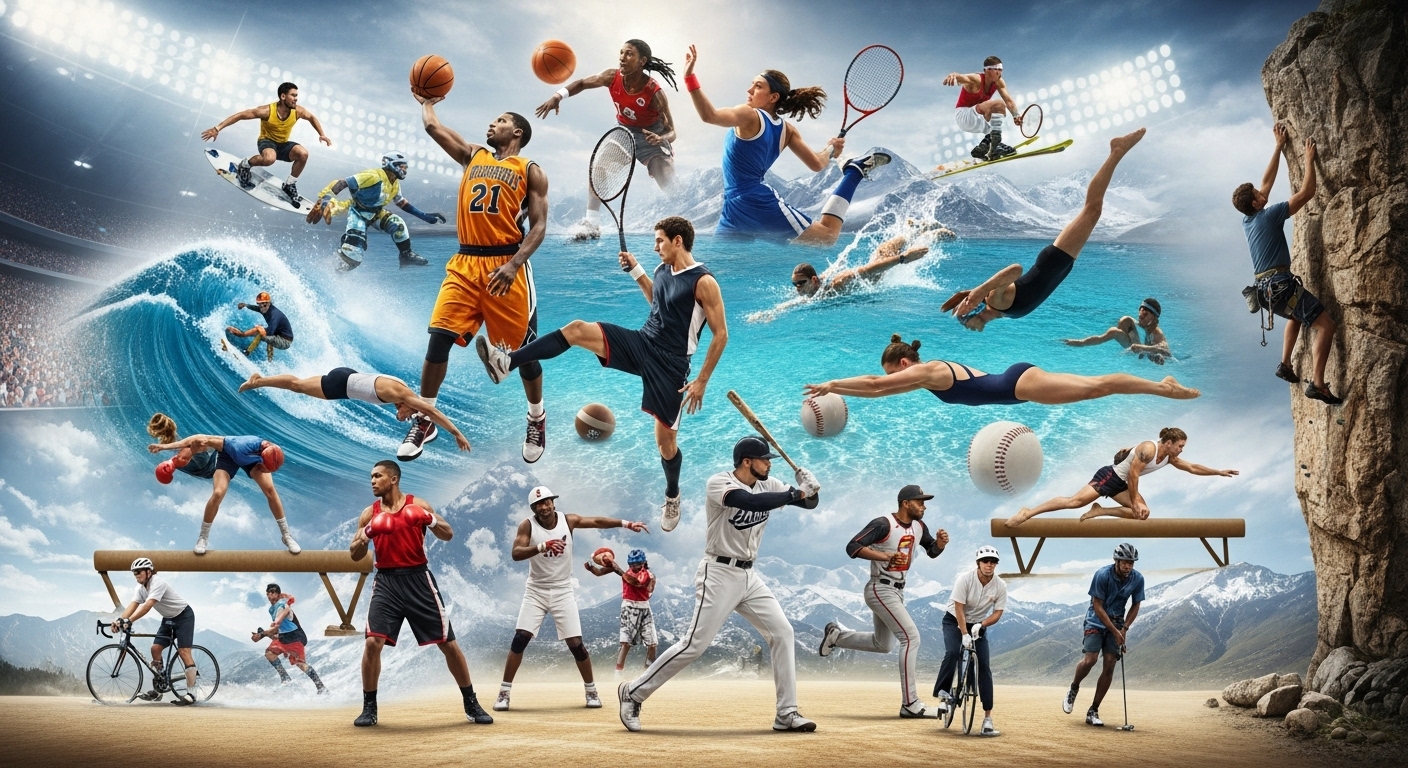
Sports have always been an integral part of human civilization. From ancient times when contests of strength and skill were held in primitive arenas, to modern-day stadiums with tens of thousands of cheering fans, sports have remained a universal language connecting people across cultures, continents, and generations. It is more than just a game; it is a reflection of human ambition, resilience, and unity. Whether played professionally or recreationally, sports have the power to inspire, challenge, and transform lives.
The History of Sports: From Ancient Contests to Modern Arenas
The origins of sports can be traced back thousands of years. Ancient civilizations, such as the Greeks and Romans, valued athletic prowess as a sign of physical and moral excellence. The Olympic Games, first held in 776 BCE in Olympia, Greece, were a celebration of strength, skill, and competition. Athletes trained rigorously to compete in events like running, wrestling, discus throw, and chariot racing. These games were not merely about winning; they symbolized honor, discipline, and the pursuit of greatness.
Similarly, in ancient China, martial arts and other physical contests played a significant role in both military training and recreation. Wrestling, archery, and horse riding were common sports that also fostered mental discipline and strategic thinking. Across the world, different cultures developed their own unique sports, all reflecting a combination of entertainment, social cohesion, and personal achievement.
Fast forward to the modern era, and sports have evolved into a complex global phenomenon. Technological advancements, media coverage, and professional leagues have transformed simple athletic contests into multi-billion-dollar industries. The evolution from simple games to highly organized competitions demonstrates how deeply sports are intertwined with human development.
The Psychological Power of Sports
Sports are more than physical activity; they have a profound psychological impact. Participation in sports develops mental toughness, strategic thinking, and emotional resilience. Athletes learn to cope with pressure, handle failure, and celebrate success with humility. The lessons learned on the field often translate to life off the field, shaping character and personality.
For fans, sports evoke a unique blend of excitement and emotion. Supporting a favorite team or athlete can provide a sense of belonging and identity. Shared victories and losses create bonds among fans, building communities that transcend social and cultural barriers. The psychological benefits of sports are vast, encompassing improved self-esteem, stress reduction, and even increased cognitive function.
The Physical Benefits of Sports
The most obvious advantage of sports is the enhancement of physical health. Regular participation in sports strengthens the cardiovascular system, improves muscle tone, and enhances flexibility. It also helps maintain a healthy weight, improves coordination, and reduces the risk of chronic diseases such as diabetes and heart conditions.
Youth involvement in sports has additional benefits. Children who engage in regular physical activity tend to develop better motor skills, improved concentration, and higher academic performance. The discipline required to train consistently also fosters time management and goal-setting skills. Sports offer a foundation for lifelong health and fitness, making it an essential part of human development.
Popular Sports Around the World
Sports are diverse, and every region has its unique favorites. Soccer, known as football in most parts of the world, is the most popular sport globally. Its simplicity and accessibility make it a unifying game that transcends borders. Countries like Brazil, Germany, and Spain have a rich history of football excellence, producing legendary players who inspire millions.
Basketball, originating in the United States, has grown into a global phenomenon. The NBA, with its world-class athletes and high-profile events, has made basketball one of the most-watched sports internationally. Its fast pace and high scoring nature appeal to fans who enjoy intense, dynamic action.
Cricket dominates in countries like India, Pakistan, Australia, and England. Known for its strategic depth and rich tradition, cricket brings nations together, whether through test matches, one-day internationals, or the fast-paced T20 format. Iconic tournaments like the Cricket World Cup capture global attention, turning athletes into national heroes.
Other notable sports include tennis, athletics, swimming, and rugby. Each sport offers its own set of challenges, rewards, and unique appeal, contributing to the rich tapestry of the global sports culture.
The Role of Sports in Society
Sports play a crucial role in shaping society. They promote teamwork, discipline, and fairness—values that extend beyond the playing field. Sports also act as a platform for social change. Iconic athletes have used their influence to advocate for equality, fight discrimination, and raise awareness about critical issues. Figures like Muhammad Ali, Billie Jean King, and Serena Williams have transcended their respective sports to become symbols of courage and advocacy.
Moreover, sports foster national pride. International competitions like the Olympics or the FIFA World Cup bring countries together, allowing citizens to rally behind their athletes. Victories on these global stages can inspire generations and leave lasting legacies.
Sports also encourage inclusivity. Adaptive sports for people with disabilities have grown tremendously, offering opportunities for athletes of all abilities to compete and showcase their skills. The Paralympics, for instance, demonstrates the limitless potential of human determination and talent.
The Science Behind Athletic Performance
Modern sports rely heavily on science and technology. Training methods, nutrition, and recovery techniques have evolved to maximize athletic potential. Sports science explores biomechanics, physiology, and psychology to optimize performance. Athletes undergo rigorous testing to monitor strength, endurance, and agility, ensuring they perform at their best.
Nutrition plays a critical role. Proper diets fuel training, enhance recovery, and prevent injuries. Hydration, supplementation, and timing of meals are carefully planned to support peak performance. Sports medicine has also advanced, allowing athletes to recover quickly from injuries that would have ended careers in the past.
Technology has revolutionized sports analysis. Video review systems, wearable trackers, and performance analytics help coaches and athletes make informed decisions. The integration of science and technology ensures that sports continue to push the boundaries of human potential.
Iconic Sports Moments That Shaped History
Sports history is filled with unforgettable moments. The 1980 “Miracle on Ice,” when the U.S. hockey team defeated the Soviet Union in the Winter Olympics, showcased the power of determination and teamwork. Muhammad Ali’s triumphs in boxing, especially his victory against George Foreman in the “Rumble in the Jungle,” symbolized not only athletic excellence but also social impact.
In football, moments like Maradona’s “Hand of God” goal and Lionel Messi’s breathtaking dribbles have captivated fans worldwide. Similarly, Serena Williams’ dominance in tennis and Usain Bolt’s record-breaking sprints have inspired millions to pursue excellence.
These moments transcend sports; they become part of cultural memory, symbolizing human achievement and resilience.
The Future of Sports
The future of sports is exciting and ever-evolving. Technology will continue to shape how we play, watch, and analyze sports. Virtual reality, artificial intelligence, and enhanced broadcasting will create more immersive experiences for fans. Esports, competitive video gaming, has emerged as a major industry, attracting millions of viewers and redefining what it means to be an athlete in the digital age.
Sustainability will also play a critical role. Sports organizations are increasingly adopting environmentally friendly practices, from stadium design to event management. The emphasis on inclusivity and mental health awareness will ensure that sports remain a positive force for society.
Conclusion: The Timeless Allure of Sports
Sports are a celebration of human spirit. They teach us discipline, perseverance, and teamwork. They bring joy, excitement, and pride to both players and fans. From ancient arenas to modern stadiums, sports continue to inspire, unite, and challenge us. In every pass, every goal, every sprint, there is a story of dedication, courage, and the relentless pursuit of excellence.
Whether you are an athlete, a fan, or someone who simply enjoys the spectacle, sports have something to offer. They remind us that the limits of human potential are boundless and that the thrill of competition, the joy of victory, and even the lessons of defeat are invaluable. In every corner of the world, sports continue to be a powerful force, shaping lives, communities, and history.