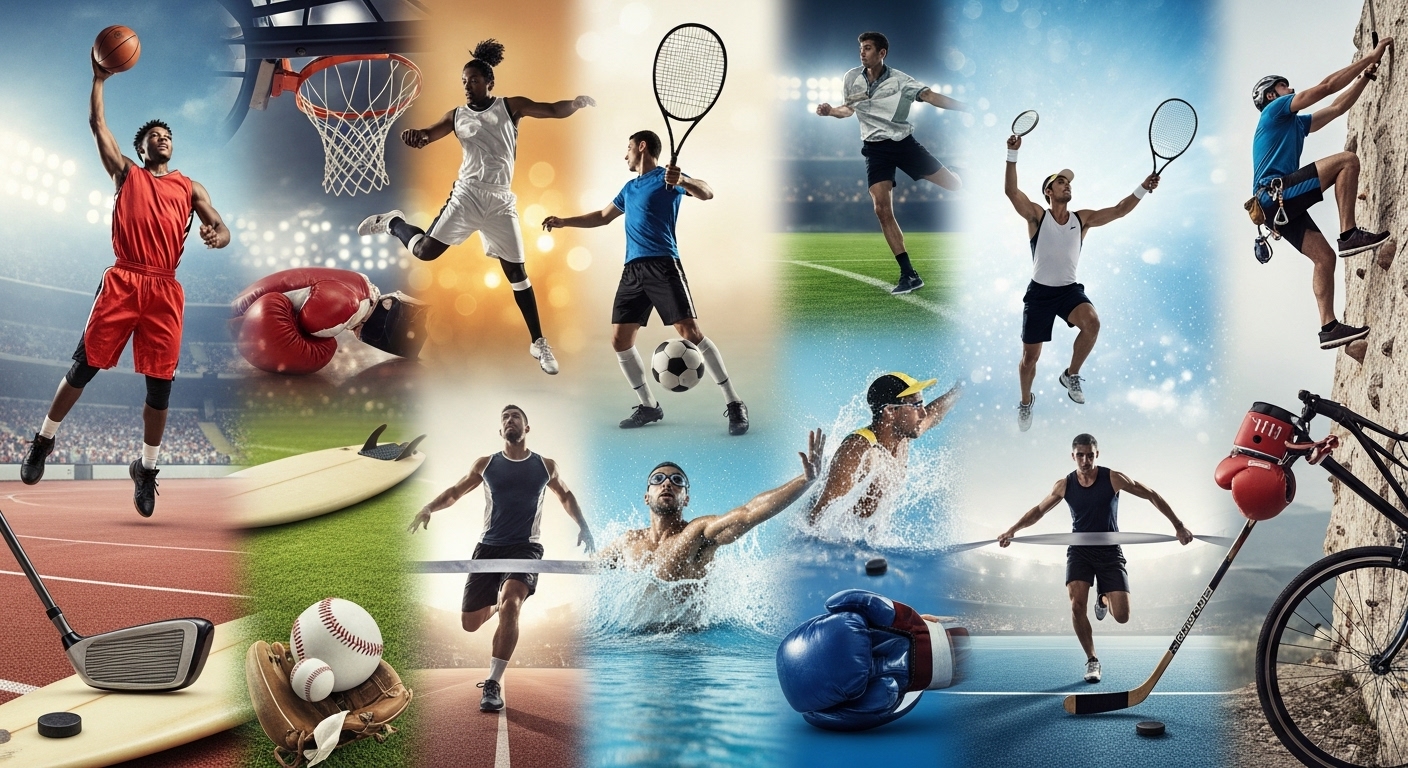

Sports have been an integral part of human civilization for centuries, transcending cultures, languages, and borders. Whether it’s an ancient competition in the coliseums of Rome, the modern-day spectacle of the Olympic Games, or a local community football match, sports have always been a unifying force. They represent much more than physical competition—they embody discipline, teamwork, resilience, and the pursuit of excellence. Sports have the power to shape not just individual lives but entire societies, influencing values, culture, and even global relations.
This blog explores the multifaceted world of sports—their impact on personal development, social structures, global unity, and the ways they continue to evolve in the modern era.
The Essence of Sports
At their core, sports are about challenge and achievement. They test human limits, pushing individuals to discover what they are truly capable of. Whether through speed, strength, endurance, or skill, athletes channel their passion and dedication toward a goal. Sports demand more than physical ability—they require strategic thinking, mental toughness, and emotional balance.
Sports also carry a universal appeal. The excitement of competition, the unpredictability of outcomes, and the shared joy of victory create an emotional connection among players and spectators alike. Regardless of age, gender, or background, people find meaning in sports, whether as participants or fans.
The Historical Roots of Sports
The origins of sports can be traced back to ancient civilizations. The Greeks celebrated physical excellence through the Olympic Games, which were held as a tribute to the gods. In ancient China, sports like archery and wrestling were tied to military training and discipline. The Mayans and Aztecs played ball games that carried religious significance, while early African communities engaged in running and wrestling contests to celebrate cultural milestones.
Over time, sports evolved into organized competitions with codified rules. The rise of the British Empire in the 19th century helped spread sports like cricket, football, and rugby across the globe. These games became social tools that connected people from different regions. In the modern age, sports have grown into global industries, influencing politics, economics, and culture on an unprecedented scale.
Physical and Mental Benefits of Sports
Sports are among the most effective ways to maintain physical health. Regular participation improves cardiovascular health, strengthens muscles, enhances coordination, and boosts overall fitness. For young people, sports help in developing motor skills, agility, and body awareness.
Beyond physical fitness, sports play a profound role in mental well-being. Engaging in sports releases endorphins—chemicals in the brain that promote happiness and reduce stress. Athletes often report greater emotional resilience, confidence, and self-esteem. Sports also teach individuals to handle pressure, cope with failure, and remain disciplined in pursuit of long-term goals.
For children and adolescents, sports instill lifelong habits of health and activity. For adults, they offer an outlet for stress and a means to maintain balance in increasingly sedentary lifestyles. For the elderly, physical activity can prevent disease, improve mobility, and enhance quality of life.
Sports as a Teacher of Life Lessons
Sports serve as one of the most powerful teachers outside the classroom. Every game, match, or race is a lesson in perseverance, teamwork, and humility. Losing gracefully, learning from mistakes, and bouncing back stronger are life skills that athletes carry beyond the field.
Team sports, in particular, teach cooperation and communication. Players learn that success depends on trust, strategy, and unity. Individual sports, meanwhile, build self-reliance and inner strength. Regardless of the discipline, sports foster a mindset that values effort, persistence, and continuous improvement.
Sports also teach respect—respect for rules, opponents, and the game itself. Athletes learn that integrity matters as much as talent. This understanding shapes character and builds the foundation for ethical leadership in all aspects of life.
The Social Impact of Sports
Sports are one of the few social phenomena that have the power to bring people together across divisions. In stadiums and arenas, strangers unite under a common passion, cheering for the same goal. International competitions like the World Cup or the Olympics foster a spirit of unity and peace, proving that shared enthusiasm can bridge political and cultural differences.
Sports also play a critical role in community development. Local leagues and youth programs give children a safe space to learn and grow, fostering social inclusion and reducing the risk of crime or isolation. In many underprivileged areas, sports programs serve as a pathway out of poverty, providing opportunities for education and professional careers.
Moreover, sports empower women and marginalized groups, breaking barriers of inequality. Female athletes have inspired generations by proving that talent and determination transcend gender. Inclusive sports initiatives have also given people with disabilities a platform to shine, highlighting the universality of human potential.
Sports and Global Culture
The influence of sports on global culture cannot be overstated. Major sporting events like the Olympics, FIFA World Cup, or Super Bowl are not just athletic contests—they are cultural spectacles that bring nations together. These events showcase diversity, unity, and the shared human desire for achievement.
Athletes often become global icons, influencing fashion, entertainment, and even political movements. Figures like Muhammad Ali, Serena Williams, Lionel Messi, and Usain Bolt have transcended sports, becoming symbols of courage, equality, and excellence.
Sports also serve as a soft power tool in international diplomacy. Matches between rival nations can ease tensions or symbolize peace. For example, “ping-pong diplomacy” between the United States and China in the 1970s helped thaw political relations, demonstrating the potential of sports as a bridge between nations.
The Business of Sports
Today, sports are among the most lucrative industries in the world. From broadcasting rights and sponsorships to merchandise and ticket sales, the economic footprint of sports extends across multiple sectors. Major leagues like the NBA, NFL, and Premier League generate billions annually, supporting thousands of jobs in management, marketing, and media.
Athletes themselves have become brands, earning endorsements that make them cultural ambassadors. Sportswear companies and technology firms invest heavily in innovation to improve performance, enhance fan engagement, and redefine the viewing experience.
However, commercialization also brings challenges. Issues such as athlete burnout, corruption, and the prioritization of profit over player welfare have sparked debates about ethics in sports management. Balancing commercial success with authenticity and fairness remains one of the industry’s greatest challenges.
The Role of Technology in Modern Sports
Technology has transformed sports at every level—from training and performance analysis to broadcasting and fan engagement. Wearable devices track heart rates, sleep patterns, and muscle activity, helping athletes optimize their routines. Video analysis tools allow coaches to break down plays, refine strategies, and minimize injuries.
Virtual reality and augmented reality are also enhancing training, allowing athletes to simulate real-game scenarios without physical strain. Artificial intelligence is being used to analyze data, predict outcomes, and identify performance trends.
For fans, technology has revolutionized how sports are consumed. High-definition broadcasts, streaming services, and interactive platforms have made it possible to watch games anywhere, anytime. Social media connects fans directly with athletes, creating a global community of supporters.
The Importance of Ethics and Sportsmanship
While competition drives sports, ethics and fair play are the foundation that sustain them. True greatness in sports is not measured only by victory but by integrity. Sportsmanship involves respecting opponents, following rules, and maintaining humility in both triumph and defeat.
Unfortunately, issues like doping, match-fixing, and unsportsmanlike behavior threaten the spirit of sports. Governing bodies around the world continue to enforce strict codes of conduct to preserve fairness. Educating young athletes about ethics from an early age is crucial to maintaining the integrity of competition.
Sports and National Identity
For many nations, sports serve as a reflection of identity and pride. Victories in international competitions become moments of collective celebration, uniting citizens across political and cultural divides. Flags waving in the stands, anthems sung before matches, and tears shed during national victories symbolize more than just athletic success—they represent the dreams and resilience of entire nations.
In developing countries, sports can inspire hope and progress. A single athlete’s success story can uplift a generation, proving that dedication and opportunity can overcome adversity. Nations also invest in sports as a way to enhance international reputation and foster social unity.
Challenges Facing the World of Sports
Despite its many positives, the sports world faces significant challenges. The pressure to win at all costs can lead to mental health issues, overtraining, and unethical practices. The growing influence of money has sometimes overshadowed the spirit of fair competition.
Gender inequality, lack of access for disadvantaged communities, and inadequate support for retired athletes are ongoing concerns. Addressing these issues requires collaboration among governments, sports organizations, and the private sector.
Climate change has also begun to impact sports, with rising temperatures and unpredictable weather affecting outdoor events. Sustainability initiatives are becoming vital to ensure that sports can continue to thrive in the future.
The Future of Sports
The future of sports will be defined by innovation, inclusivity, and balance. As technology continues to evolve, the lines between physical and digital competition will blur, leading to new hybrid experiences such as virtual sports and esports.
Sustainability will become a key priority, with organizations adopting eco-friendly practices in venue design, transportation, and event management. Mental health awareness will also continue to grow, ensuring that athletes receive the emotional and psychological support they need.
In addition, diversity and representation will remain central themes. Women’s sports are gaining more recognition and investment, while adaptive sports are expanding opportunities for people with disabilities. The coming decades promise a more inclusive and equitable landscape where everyone can participate and succeed.
Conclusion
Sports are far more than games—they are a reflection of humanity’s spirit, ambition, and unity. From the playground to the world stage, they teach lessons that extend beyond competition. They inspire individuals to push their limits, foster connections among communities, and bring hope to nations.
In a world often divided by politics, race, and ideology, sports remain one of the few universal languages that can bring people together. The roar of a crowd, the thrill of victory, and the grace of sportsmanship remind us of our shared humanity.
As we look to the future, the power of sports will continue to shape societies, build character, and drive progress. Whether played for glory, health, or passion, sports will always stand as a timeless celebration of human potential—a reminder that with dedication, teamwork, and integrity, we can achieve greatness both on and off the field.