Introduction: The Universal Language of Sports
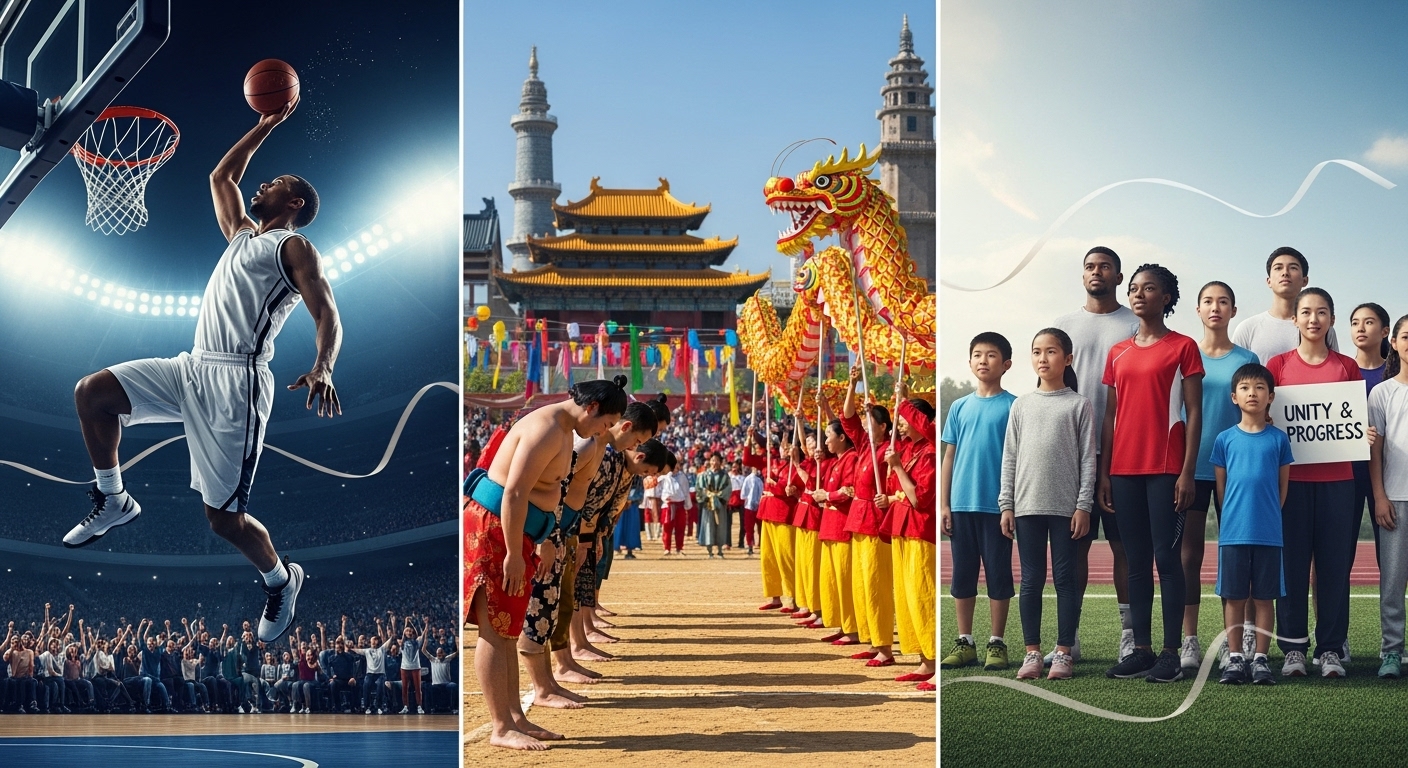
Sports have an undeniable ability to bring people together, fostering unity, competition, and a sense of community. Regardless of language, nationality, or background, sports are a universal language that unites individuals across the globe. From the early days of human civilization to today, sports have played a pivotal role in shaping societies, promoting physical and mental health, and offering entertainment. The history of sports is rich, and its influence continues to grow with every passing generation.
Today, sports are not only a form of recreation and entertainment but also an essential element in the social, cultural, and economic fabric of the world. Whether it’s a child kicking a soccer ball in a local park, a weekend warrior competing in a 5k race, or an elite athlete performing in front of millions, the power of sports is seen everywhere. The role of sports in shaping communities, promoting personal growth, and fostering global connections cannot be overstated.
In this blog post, we will explore the various aspects of sports, from their history and evolution to the benefits they provide to individuals and society. We will also dive into how different types of sports influence people and examine their psychological, social, and physical advantages.
The Historical Evolution of Sports
The origins of sports can be traced back to ancient civilizations, where physical contests were not only a form of recreation but also a way to honor gods and rulers. The ancient Greeks are perhaps the most well-known for formalizing sports in the form of the Olympic Games, which began in 776 BCE in Olympia. These early Olympic Games were a celebration of athletic prowess and a way to bring various Greek city-states together. Athletes competed in footraces, wrestling, and the discus throw, among other events, and winners were celebrated as heroes.
The ancient Romans continued the tradition of sports with gladiatorial combat, chariot races, and other events that were held in large arenas. These contests, though often violent, became a central part of Roman culture. The gladiators, who were usually slaves or prisoners of war, fought for their lives in front of thousands of spectators. These events, along with chariot races in the Circus Maximus, became a major part of Roman public life.
After the fall of the Roman Empire, sports went through a period of decline in Europe, as the focus shifted to feudal systems, warfare, and religious conflicts. However, the Renaissance period in the 14th to 17th centuries saw a revival of interest in physical activity and athletic competitions. Tennis, archery, and fencing became popular among the elite, while local festivals often featured wrestling, jousting, and other competitions.
In the 19th century, the Industrial Revolution played a key role in the development of modern sports. The rise of urbanization, improvements in transportation, and greater access to leisure time contributed to the institutionalization of sports. During this time, official rules were established for various games, and sports such as soccer, cricket, rugby, and baseball began to formalize their structures.
The creation of national and international leagues, the development of professional athletes, and the organization of global competitions like the Olympic Games paved the way for the modern sports industry we know today. The 20th century marked the global expansion of sports, with international competitions such as the FIFA World Cup, the Olympics, and the Tour de France drawing massive audiences and turning sports into a major aspect of entertainment and culture worldwide.
The Different Types of Sports
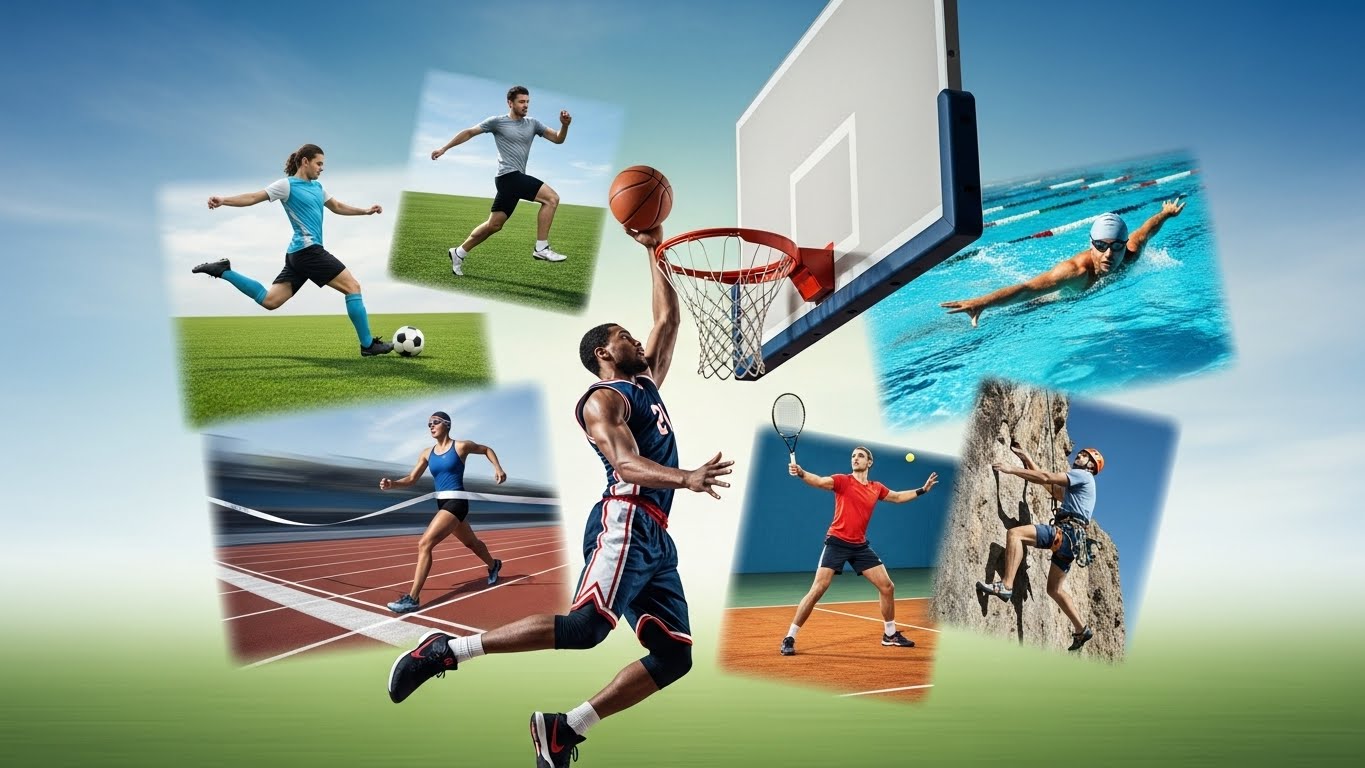
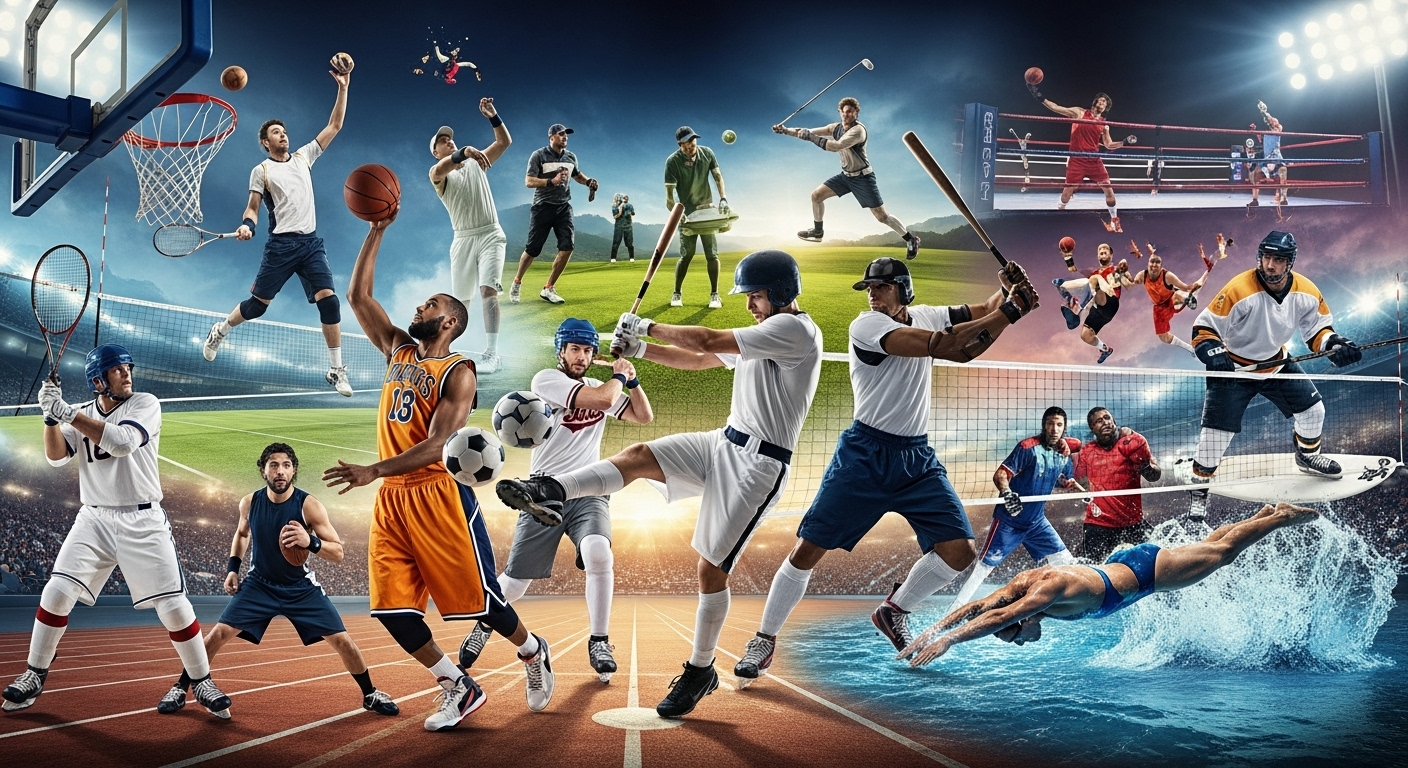
Sports can be broadly classified into several categories, each with its own unique set of rules, skills, and equipment. While team sports tend to dominate in terms of global popularity, individual sports, combat sports, and extreme sports also hold significant value in different parts of the world. Understanding the types of sports and their specific characteristics can provide insight into why they resonate with so many people.
1. Team Sports
Team sports involve two or more teams competing against each other with the goal of achieving a shared objective. These sports require teamwork, communication, and strategic thinking. The most popular team sports globally include:
- Football (Soccer): Football is the most widely played and watched sport in the world. Played by two teams of 11 players, the aim of the game is to score goals by getting the ball into the opponent’s net. Football requires both individual skill and team coordination, with players needing to work together to create opportunities and defend against the opposition.
- Basketball: Basketball is a fast-paced game where two teams of five players attempt to score points by shooting a ball through a hoop. The game requires agility, coordination, and strategic team play. Teams move the ball quickly across the court and must work together to execute offensive and defensive plays.
- Rugby: Rugby is a contact sport played with an oval-shaped ball. Teams of 15 players each attempt to score by carrying, passing, or kicking the ball to the opponent’s goal line. Rugby is known for its physicality and high-impact tackles, as well as the importance of teamwork and strategy.
- Cricket: Cricket is a bat-and-ball sport, typically played between two teams of 11 players. It’s popular in countries like India, England, and Australia. The sport has multiple formats, ranging from fast-paced, limited-overs games to longer, more strategic Test matches.
These team sports require athletes to work in harmony to achieve their goals. They foster skills like communication, collaboration, and mutual trust, making them ideal for building a sense of community and social cohesion.
2. Individual Sports
In contrast to team sports, individual sports focus on the performance of a single athlete. These sports are often highly competitive and require a great deal of discipline, self-motivation, and resilience. Popular individual sports include:
- Tennis: Tennis is a racquet sport where players (singles or doubles) aim to hit the ball over a net and into the opponent’s court. The game requires both mental focus and physical agility, with players needing to anticipate their opponent’s moves and execute precise shots.
- Swimming: Swimming involves racing in a pool, with athletes using various strokes such as freestyle, breaststroke, backstroke, and butterfly. Swimmers compete in events of varying lengths and must perfect their technique to improve their speed and endurance.
- Athletics (Track and Field): This category encompasses a wide range of events, including running, long jump, pole vault, and discus. Athletes compete in individual events, where performance depends on strength, speed, and technique.
- Gymnastics: Gymnastics involves performing acrobatic routines that showcase strength, flexibility, and balance. Athletes perform on different apparatuses such as the balance beam, vault, and uneven bars, scoring based on execution and difficulty.
While individual sports focus on personal achievement, they also require mental toughness and a high level of preparation. Athletes are responsible for their own success or failure, which can provide an immense sense of accomplishment when they achieve their goals.
3. Combat Sports
Combat sports involve direct physical confrontation between two competitors, with the objective of overpowering or outwitting the opponent. Some combat sports are highly regulated, while others are more free-form. Popular combat sports include:
- Boxing: Boxing is a combat sport where two fighters use their fists to land punches on their opponent. The sport has a long history and requires athletes to master footwork, speed, and defensive strategies to outbox their opponent.
- Mixed Martial Arts (MMA): MMA is a combat sport that combines elements of boxing, wrestling, and Brazilian Jiu-Jitsu, among others. Fighters compete in a cage or ring, using both striking and grappling techniques to defeat their opponent.
- Judo: Judo is a Japanese martial art that emphasizes throwing or pinning an opponent. Judo practitioners use their opponent’s strength and balance against them, focusing on skillful technique rather than brute force.
- Wrestling: Wrestling is a grappling-based sport where athletes attempt to pin their opponents to the ground. It requires strength, endurance, and technique, and can be either an Olympic sport or practiced as professional wrestling entertainment.
Combat sports not only test physical strength but also mental fortitude. Athletes must possess a high level of discipline, strategic thinking, and a competitive mindset.
4. Extreme Sports
Extreme sports, also known as action sports, are high-risk activities that push athletes to the limit. These sports are often performed in natural, rugged environments, where athletes engage in daring feats of skill and bravery. Some popular extreme sports include:
- Skateboarding: Skateboarding involves performing tricks and stunts while riding a skateboard, often in skate parks or on city streets. Skateboarders push the boundaries of creativity and technique, constantly inventing new tricks.
- Snowboarding: Snowboarding is a winter sport in which athletes ride a snowboard down snow-covered slopes, performing tricks and navigating terrain. Freestyle snowboarding includes aerial flips and spins, while alpine racing focuses on speed.
- Rock Climbing: Rock climbing involves scaling rock faces using a combination of strength, skill, and endurance. Whether indoors or outdoors, climbers rely on their technique and equipment to reach the summit safely.
- Bungee Jumping: Bungee jumping is an adrenaline-pumping activity where individuals leap from great heights while connected to a bungee cord. The rush of freefalling followed by a bouncing rebound has made it a popular extreme sport.
Extreme sports test an athlete’s courage, skill, and willingness to take risks. They appeal to those seeking an adrenaline rush and the challenge of overcoming fear and pushing boundaries.
The Benefits of Sports
While each type of sport offers unique challenges, there are universal benefits that sports provide to individuals and society. Let’s take a look at some of the key advantages of engaging in sports.
1. Physical Health Benefits
One of the most obvious benefits of sports is their positive impact on physical health. Regular participation in sports can help improve cardiovascular health, strengthen muscles, enhance flexibility, and improve overall fitness. Physical activity helps reduce the risk of chronic diseases like obesity, diabetes, and hypertension. It also boosts energy levels and improves the immune system, helping individuals stay healthy.
2. Mental Health Benefits
Sports also have a significant impact on mental well-being. Physical activity triggers the release of endorphins, chemicals in the brain that help reduce stress, anxiety, and depression. Engaging in sports promotes better sleep, improves mood, and boosts self-esteem. The discipline and focus required in sports can also enhance mental clarity and concentration.
3. Social Benefits
Sports create opportunities for social interaction and community building. Team sports, in particular, require individuals to work together, communicate, and trust one another. This sense of camaraderie builds lasting friendships and social bonds. Even for individual sports, shared experiences, such as competing in tournaments or attending training sessions, foster a sense of belonging. Sports also break down social and cultural barriers, as they bring people from different walks of life together through a shared love for the game.
4. Personal Growth and Development
Sports foster important life skills such as discipline, perseverance, time management, and goal-setting. Athletes learn to cope with failure, bounce back from setbacks, and keep working toward their goals. The confidence and resilience built through sports translate into all areas of life, contributing to greater success in personal, academic, and professional endeavors.
Conclusion: The Enduring Influence of Sports
Sports are more than just a means of entertainment—they are an essential part of our lives. From physical health benefits to personal growth and social interaction, sports continue to provide a positive impact on individuals and societies worldwide. Whether playing for fun or competing at the highest level, sports inspire people to push boundaries, challenge themselves, and grow in ways they never imagined.
As we continue to celebrate the diversity of sports and their profound impact on humanity, it is clear that sports will remain a unifying force for generations to come. They promote well-being, foster connections, and provide an avenue for people to discover their true potential.