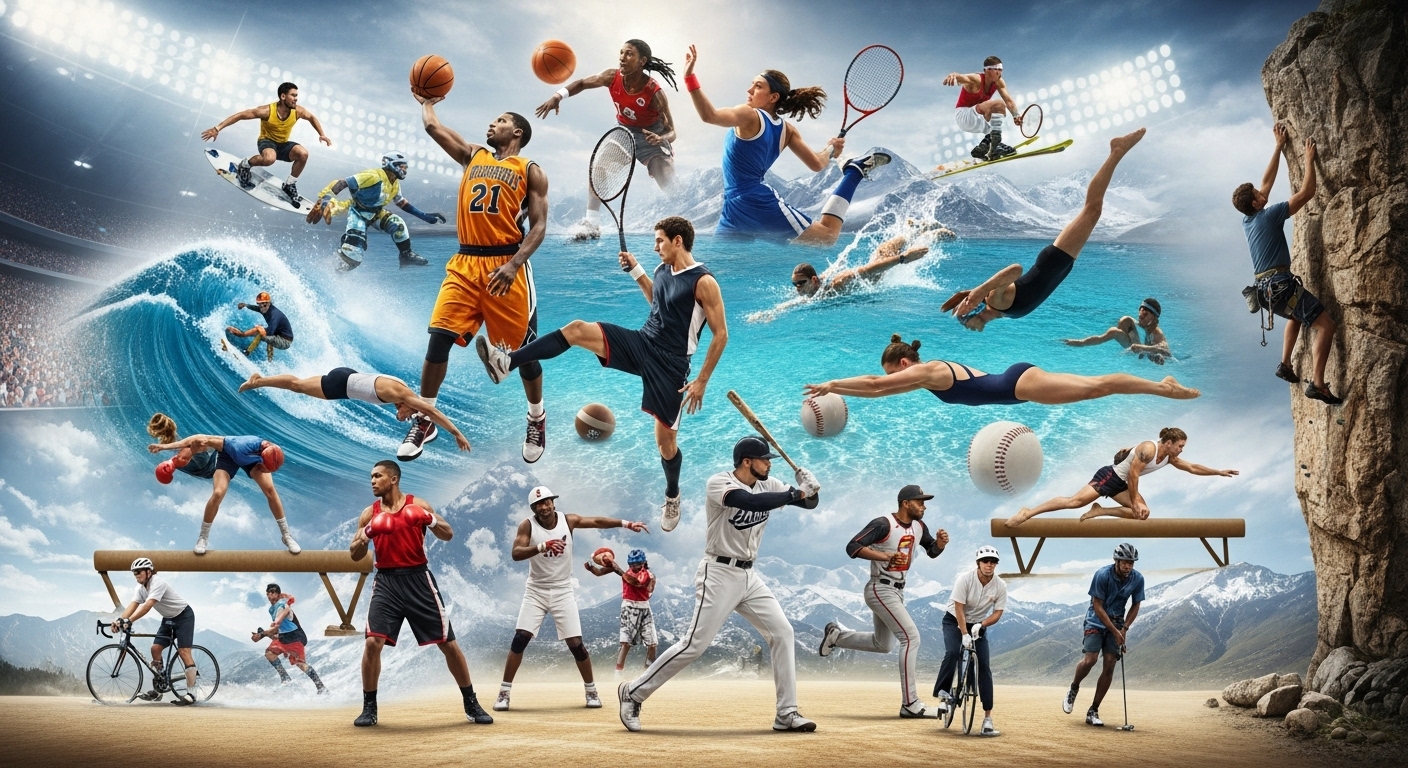

Sports are more than just games. They are a reflection of human determination, creativity, and spirit. Across cultures and continents, sports bring people together, inspire perseverance, and create unforgettable moments that transcend generations. From local playgrounds to global arenas, sports influence our physical health, mental resilience, social bonds, and even cultural identity. In this blog, we will explore the multifaceted world of sports, their impact on society, and why they continue to capture the hearts of millions worldwide.
The Evolution of Sports
The history of sports is as old as human civilization itself. Early humans engaged in physical contests to sharpen survival skills, hunt efficiently, and develop strength. Archeological evidence shows that ancient societies like the Egyptians, Greeks, and Romans practiced structured games and athletic competitions. The Olympic Games, first held in ancient Greece in 776 BCE, epitomized the competitive spirit and the celebration of human ability.
Over the centuries, sports evolved from simple contests to organized competitions with codified rules. Football, cricket, basketball, and tennis, among many others, became formalized with leagues, teams, and international tournaments. This evolution reflects not only a love for competition but also society’s drive to celebrate excellence, teamwork, and fair play.
Physical Health and Sports
One of the most obvious benefits of participating in sports is improved physical health. Regular physical activity strengthens muscles, enhances cardiovascular function, and improves endurance. Sports also help in maintaining a healthy weight and preventing chronic diseases like diabetes, heart disease, and obesity.
Different sports offer unique physical benefits. Running and cycling improve stamina and cardiovascular health, while weightlifting and gymnastics build strength and flexibility. Team sports like soccer and basketball encourage agility, coordination, and quick reflexes. Even non-competitive sports like swimming or yoga provide holistic physical benefits, enhancing overall body function and longevity.
Mental Resilience and Cognitive Benefits
While physical fitness is often the first thing people think of regarding sports, the mental benefits are equally significant. Sports teach discipline, patience, and perseverance. Athletes learn to handle both success and failure, developing resilience that extends beyond the field.
Engaging in sports also improves cognitive function. Decision-making, strategic thinking, and problem-solving are integral parts of many sports. For example, chess, although often classified as a mind game, demands intense concentration, planning, and foresight—skills that are invaluable in real-life situations. Even fast-paced games like basketball or soccer require split-second thinking, enhancing mental agility and situational awareness.
Sports can also be therapeutic. Physical activity releases endorphins, reducing stress, anxiety, and symptoms of depression. Many individuals turn to sports as an outlet for emotions and a way to regain balance in life, highlighting the deep psychological connection humans have with physical activity.
Teamwork and Social Bonding
Sports are inherently social. Whether it’s a casual game among friends or a professional league, sports create bonds and foster a sense of community. Team sports teach cooperation, leadership, and communication. Players learn to trust one another, respect differences, and work toward a common goal. These lessons are directly transferable to other areas of life, including school, work, and family dynamics.
Even individual sports have a social dimension. Athletes often rely on coaches, mentors, and support teams to enhance performance. Competitions bring together individuals from diverse backgrounds, creating a shared experience that transcends cultural or linguistic barriers. Sporting events are social gatherings where fans celebrate, empathize, and unite, reinforcing the sense of belonging and collective identity.
Cultural Significance of Sports
Sports are not just physical activities; they are a mirror of society. They carry cultural, historical, and social significance that can influence identity and national pride. Major tournaments, such as the World Cup in football or the Olympics, are more than competitions—they are global celebrations of heritage, teamwork, and achievement.
Sports can also be powerful tools for social change. Historically, athletes have used their platforms to challenge societal norms, promote equality, and raise awareness on critical issues. Icons like Muhammad Ali, Billie Jean King, and Serena Williams have demonstrated that sports are not only about performance but also about shaping culture and advocating for justice.
The Economics of Sports
Beyond cultural and social impact, sports have a significant economic dimension. Professional sports leagues generate billions of dollars globally through ticket sales, merchandising, sponsorships, and media rights. Sports also create employment opportunities for athletes, coaches, trainers, event organizers, and many others.
Additionally, sports tourism has become a major industry. Fans travel across countries and continents to witness major tournaments, boosting local economies and promoting international cultural exchange. Sports facilities, gyms, and academies contribute to economic growth while encouraging participation at all levels, from amateur enthusiasts to professional athletes.
Sports and Technology
The relationship between sports and technology has transformed the way games are played, viewed, and analyzed. From high-tech equipment and wearable devices to instant replay systems and performance analytics, technology enhances both athlete performance and fan experience.
Advancements in sports science help athletes optimize training, prevent injuries, and recover faster. Video analysis and artificial intelligence provide detailed insights into performance patterns, enabling coaches to design strategies with precision. Meanwhile, virtual reality and augmented reality are revolutionizing fan engagement, making sports more interactive and immersive than ever before.
The Role of Sports in Education
Sports play a critical role in education systems worldwide. Schools and colleges integrate physical education into their curriculum to ensure students develop both mental and physical skills. Participation in sports fosters time management, goal setting, and self-confidence.
Scholarships and competitive sports programs also provide opportunities for talented athletes to pursue higher education and professional careers. For many, sports become a pathway to personal growth, discipline, and life-long learning. Even at a recreational level, sports teach valuable life lessons about resilience, fair play, and the joy of achievement.
Challenges in Modern Sports
Despite its many benefits, the world of sports faces challenges. The pressure to win can lead to unethical practices such as doping, cheating, or corruption. Injuries remain a significant concern, especially in high-impact sports.
Social issues also intersect with sports. Gender inequality, racial discrimination, and lack of access to facilities prevent many individuals from participating fully. Addressing these challenges requires a collective effort from governing bodies, communities, and athletes themselves to ensure that sports remain fair, inclusive, and safe.
The Future of Sports
The future of sports is likely to be shaped by innovation, inclusivity, and sustainability. Emerging sports, e-sports, and hybrid formats are attracting younger audiences and redefining competition. Efforts to make sports accessible to everyone, regardless of gender, background, or physical ability, are gaining momentum.
Sustainable practices are also becoming a priority. From eco-friendly stadiums to reduced carbon footprints in international tournaments, sports organizations are recognizing their responsibility toward the environment. The fusion of technology, social awareness, and global connectivity promises a dynamic future where sports continue to inspire and unite.
Conclusion: More Than Just a Game
Sports are much more than a form of entertainment. They are a celebration of human potential, a testament to perseverance, and a powerful medium for social change. Whether through physical fitness, mental resilience, teamwork, or cultural expression, sports shape individuals and communities in profound ways.
Every sprint, every goal, and every victory carries lessons that extend far beyond the field. They teach discipline, empathy, courage, and the value of effort. In a world that often feels divided, sports remind us of our shared humanity and the joy of coming together to celebrate excellence.
The pulse of competition, the thrill of achievement, and the lessons learned in every game ensure that sports will remain a vital part of human life for generations to come.