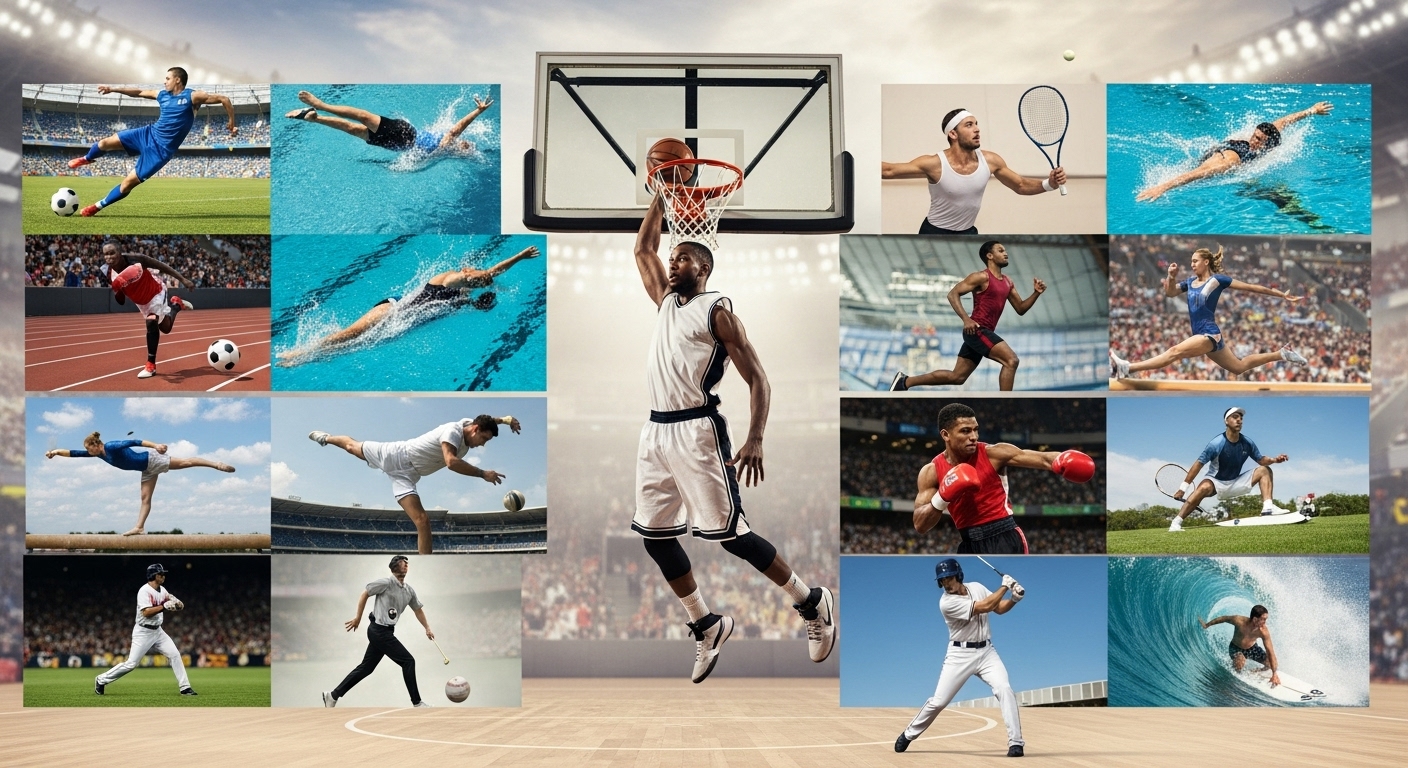

Sports are more than just games played on fields, courts, or tracks. They are a reflection of human spirit, determination, and culture. From the thrilling roar of a stadium crowd to the quiet, personal victories of an amateur athlete, sports touch every corner of our lives. In this blog post, we will explore the many dimensions of sports—their history, impact on society, physical and mental benefits, and their role in building character and community.
The Origins of Sports: A Glimpse into History
Sports have been part of human culture for thousands of years. Ancient civilizations used physical activities not just for entertainment, but also for survival. Hunting, wrestling, and racing were common activities that tested strength, endurance, and strategy.
The ancient Greeks, in particular, were pioneers in formalizing sports. The Olympic Games, which began in 776 BCE, were a symbol of unity, excellence, and competition. Athletes trained rigorously, and victories were celebrated as much for personal achievement as for bringing honor to their city-states. Over centuries, sports evolved from these ritualistic and survival-based activities into organized competitions with rules, teams, and international participation.
Sports as a Mirror of Society
Sports often reflect the values, struggles, and aspirations of society. They can serve as a platform for social change, equality, and inclusion. For example, the breaking of racial barriers in baseball and the rise of women in professional sports are milestones that highlight societal progress.
Beyond social commentary, sports bring people together. Whether cheering for a local team or following international tournaments, sports create shared experiences. They transcend language, nationality, and culture, reminding us that the human desire for challenge, achievement, and camaraderie is universal.
Physical Benefits of Engaging in Sports
One of the most obvious benefits of sports is physical health. Regular participation in sports improves cardiovascular health, builds muscle strength, enhances flexibility, and helps maintain a healthy weight. Sports such as swimming, running, and cycling are excellent for endurance, while team sports like basketball, soccer, and volleyball encourage agility, coordination, and reflexes.
Moreover, engaging in physical activities from a young age sets the foundation for lifelong health. Children who participate in sports are less likely to develop chronic illnesses and are more likely to adopt a healthy lifestyle as adults. Sports, in this sense, are not just a pastime—they are an investment in one’s future well-being.
Mental and Emotional Benefits
While the physical benefits of sports are widely recognized, the mental and emotional advantages are equally significant. Sports teach discipline, resilience, and time management. Athletes learn to handle pressure, set goals, and recover from setbacks—all skills that are transferable to personal and professional life.
Participating in sports also reduces stress and anxiety. Physical exertion releases endorphins, the body’s natural mood enhancers, creating a sense of accomplishment and well-being. Additionally, sports foster teamwork and social interaction, which can combat loneliness and improve mental health.
Sports and Character Development
Sports are often called a school of life, and for good reason. They teach values such as honesty, perseverance, respect, and humility. Winning gracefully and losing with dignity are lessons that extend beyond the playing field.
Team sports, in particular, emphasize collaboration. Success is rarely achieved in isolation. Players learn to communicate effectively, support one another, and understand the importance of collective effort. Individual sports, on the other hand, instill self-reliance and accountability. Both forms of sports contribute to holistic character development.
The Economic Impact of Sports
Sports are also a significant driver of the economy. From local leagues to global tournaments, sports generate revenue through ticket sales, merchandise, sponsorships, and broadcasting rights. Major sporting events, such as international tournaments and championships, stimulate local economies by creating jobs, boosting tourism, and encouraging infrastructure development.
Athletes themselves often become entrepreneurs and influencers, further contributing to economic growth. The sports industry encompasses not just the players but also coaches, managers, referees, analysts, medical professionals, and many others, creating a wide network of employment opportunities.
Technological Advancements and Sports
Technology has transformed sports in recent decades. Innovations in equipment, training techniques, and analytics have changed how athletes prepare and compete. For instance, wearable devices monitor heart rate, calories burned, and performance metrics, enabling athletes to optimize their training. Video analysis allows coaches to dissect every move and strategy, improving accuracy and efficiency.
Moreover, technology has enhanced the spectator experience. High-definition broadcasts, instant replays, and interactive apps bring fans closer to the action. Virtual reality and augmented reality are pushing the boundaries further, allowing fans to experience games in immersive ways. Technology, in essence, has made sports more engaging and competitive than ever before.
Sports and Education: Building Future Leaders
Sports play a critical role in education. Many schools and universities integrate athletic programs into their curriculum to promote physical fitness, teamwork, and leadership. Student-athletes often learn to balance academics and sports, developing time management skills that serve them well in life.
Scholarships and sports programs provide opportunities for talented individuals who might not otherwise have access to higher education. Through sports, young people gain confidence, expand their networks, and prepare for diverse career paths.
Globalization of Sports
In today’s interconnected world, sports have become a global phenomenon. Leagues, tournaments, and events now attract international audiences. Football, basketball, cricket, and tennis, among others, have fans spanning continents. This globalization fosters cultural exchange and international camaraderie, showcasing the unifying power of sports.
Global sports icons inspire millions of people, transcending borders and backgrounds. Their achievements motivate young athletes and demonstrate that talent, hard work, and dedication can open doors anywhere in the world.
The Role of Fans and Community
Fans are the heartbeat of sports. Their energy, passion, and loyalty create the atmosphere that makes competitions memorable. Communities rally around their teams, forging connections that go beyond the game itself. Sports clubs often engage in community service, charity work, and social initiatives, reinforcing the bond between athletes and society.
The influence of fans also extends to shaping the culture of sports. Their voices, through attendance and social media, influence decisions, highlight issues, and celebrate achievements. Without fans, sports would lose much of its vibrancy and purpose.
Challenges in Modern Sports
Despite its many benefits, the world of sports faces challenges. Issues such as doping, corruption, unequal pay, and exploitation of athletes continue to affect the integrity of competitions. Gender inequality and lack of access in certain regions limit participation and opportunities for many aspiring athletes.
Addressing these challenges requires a concerted effort from governing bodies, athletes, fans, and society. Ethical practices, fair policies, and inclusive initiatives are crucial to maintaining the credibility and spirit of sports.
The Future of Sports
The future of sports is likely to be defined by innovation, inclusivity, and sustainability. Emerging sports, esports, and adaptive sports are expanding the definition of athletic competition. Environmental sustainability is becoming a priority, with stadiums and events designed to minimize carbon footprints and waste.
Additionally, the integration of artificial intelligence, virtual reality, and advanced analytics will continue to revolutionize training, strategy, and fan engagement. Sports will remain an evolving reflection of human creativity, resilience, and connection.
Conclusion: Sports as a Way of Life
Sports are far more than competitions and records—they are a celebration of human potential. They enhance physical health, strengthen mental resilience, build character, and unite communities across the globe. From local playgrounds to international arenas, the influence of sports touches every aspect of life.
Engaging in sports, whether as a participant or a fan, is an investment in personal growth, societal well-being, and cultural connection. The thrill of victory, the lessons of defeat, and the joy of shared experiences make sports a timeless, indispensable part of human life.
In the end, sports are not just games—they are a reflection of our passions, our struggles, and our dreams. They remind us that through effort, teamwork, and perseverance, we can achieve greatness, both on and off the field.