
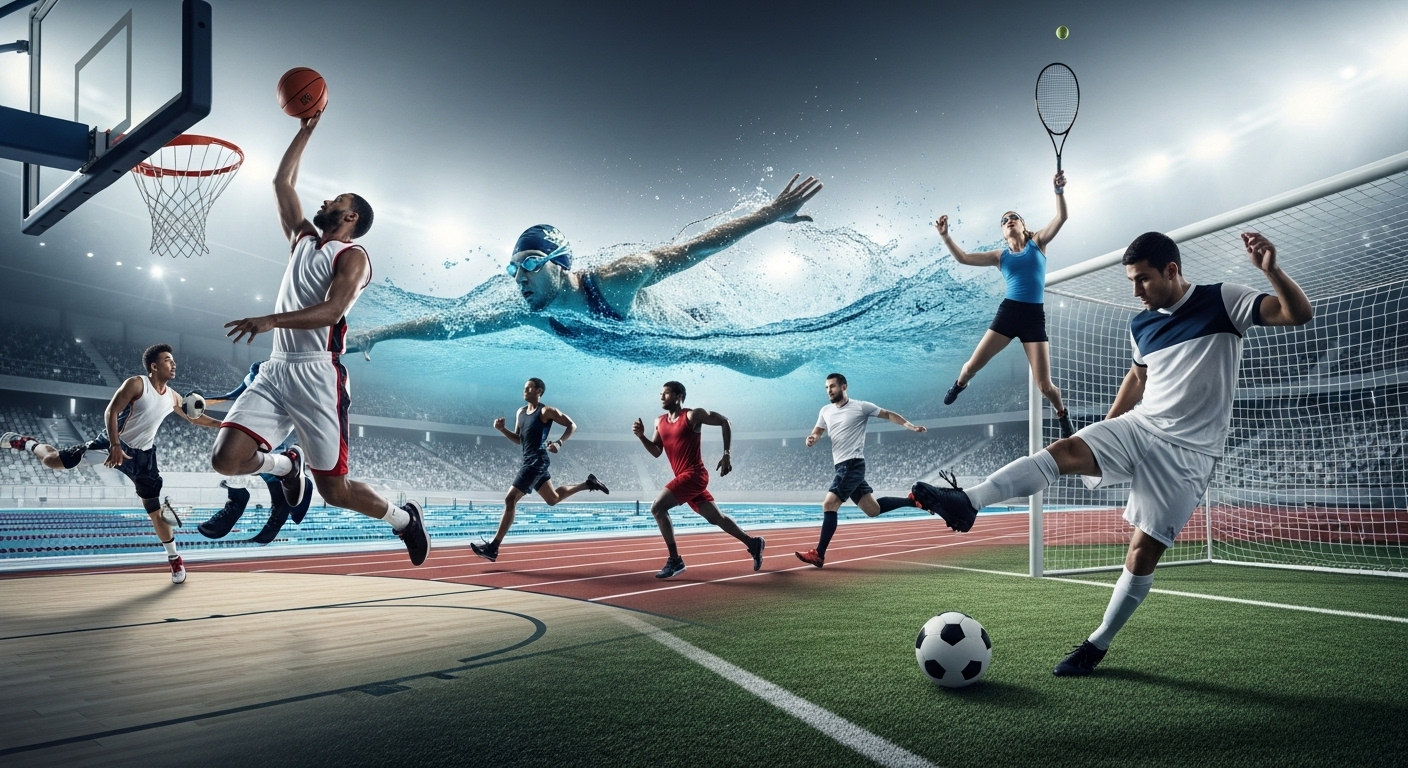
In the fast-paced world of professional sports, physical prowess alone is often not enough to guarantee success. Every athlete, whether competing in individual sports or as part of a team, is constantly striving to reach their peak performance, which requires more than just strength, speed, or technique. Mental resilience, focus, motivation, and emotional control are equally, if not more, important than physical abilities. This is where sports psychology comes into play.
Sports psychology is a field of study and practice that focuses on the mental and emotional aspects of athletic performance. It addresses the ways in which an athlete’s mindset, thoughts, and feelings can influence their performance and how psychological techniques can be used to enhance performance and mental well-being. In this blog, we will explore the vital role that sports psychology plays in helping athletes achieve peak performance and the various tools and techniques used by sports psychologists to help athletes overcome challenges and maximize their potential.
Understanding Sports Psychology
At its core, sports psychology aims to optimize an athlete’s mental and emotional state to enhance their performance. The field combines principles from psychology with a deep understanding of sports science, recognizing that the mind and body are deeply interconnected. It examines the psychological factors that affect physical performance and uses mental strategies to improve focus, emotional control, and motivation.
Sports psychologists work with athletes to help them develop skills such as concentration, confidence, relaxation, and goal-setting. They also help athletes cope with performance anxiety, recover from injuries, and manage the pressures that come with high-level competition.
While many people may associate sports psychology with elite athletes or high-stakes competitions, it’s equally relevant for amateur athletes, coaches, and even individuals participating in recreational sports. After all, anyone who participates in sports or physical activity can benefit from a stronger mental game.
The Mind-Body Connection: How Psychology Affects Performance
The mind and body are intricately linked, and an athlete’s mental state can significantly impact their physical performance. Negative emotions such as anxiety, stress, or self-doubt can hinder performance by creating tension, distracting the athlete, and interfering with their ability to concentrate. On the other hand, positive psychological traits such as confidence, motivation, and focus can enhance an athlete’s physical capabilities, allowing them to perform at their best.
For example, an athlete who is anxious about a competition may experience muscle tension, increased heart rate, and difficulty concentrating. These physical manifestations of anxiety can affect the way they move, think, and make decisions, leading to a suboptimal performance. In contrast, an athlete who feels confident, calm, and focused will likely perform with greater ease and precision.
Sports psychologists help athletes achieve a balance between their mental and physical states, teaching them how to use their mind to control and enhance their body’s abilities. This is often referred to as achieving “mental toughness,” a key attribute for athletes striving to perform at their peak.
The Importance of Mental Toughness
Mental toughness is often cited as one of the most important factors for athletes to perform at their highest level. It refers to the ability to stay focused, composed, and motivated under pressure, as well as the resilience to bounce back from setbacks or failures. Athletes with high mental toughness tend to perform well in high-pressure situations, remain calm in the face of adversity, and can stay disciplined and determined even when things aren’t going well.
Mental toughness involves several key psychological traits:
- Self-confidence: Belief in one’s abilities and potential is critical to achieving peak performance. Athletes who believe in themselves are more likely to take risks, push past their limits, and maintain a positive attitude during challenges.
- Focus: The ability to stay focused on the task at hand, blocking out distractions, and maintaining concentration throughout the competition or training session.
- Resilience: The capacity to recover quickly from setbacks, such as losing a match, making a mistake, or facing an injury. Resilient athletes are able to learn from failure and continue to push forward.
- Control over emotions: Managing emotions such as frustration, anger, or anxiety is crucial to maintaining a clear mindset and executing strategies effectively.
Sports psychologists work with athletes to build these traits through a variety of mental training techniques and exercises.
Key Techniques Used in Sports Psychology
Sports psychology utilizes several mental training techniques that help athletes achieve peak performance. These techniques focus on improving focus, reducing anxiety, boosting confidence, and enhancing overall mental well-being. Let’s explore some of the most commonly used psychological strategies.
1. Visualization and Mental Imagery
Visualization, also known as mental imagery or mental rehearsal, involves athletes vividly imagining themselves performing their sport successfully. This technique has been used by many elite athletes to enhance performance, improve focus, and reduce anxiety before competitions.
Athletes are encouraged to close their eyes and mentally “see” themselves executing their skills flawlessly, whether it’s sinking a basketball shot, running the perfect race, or scoring a goal. Visualization allows athletes to mentally rehearse their actions, enhancing muscle memory and preparing the mind and body for actual performance.
Research has shown that mental imagery can help athletes build confidence, increase motivation, and reduce the likelihood of performance anxiety. It also helps them cope with pressure by providing a sense of familiarity and control over the situation.
2. Goal Setting
Goal setting is another critical component of sports psychology. Athletes who set clear, achievable goals are more likely to stay motivated, focused, and committed to their training. Goals help athletes measure progress, create a sense of purpose, and break down large challenges into manageable steps.
Goals can be categorized into short-term and long-term goals. Short-term goals provide immediate milestones that keep athletes motivated on a daily or weekly basis, while long-term goals reflect the bigger picture of what the athlete hopes to achieve in the future. For example, a long-term goal might be to win a national championship, while a short-term goal could involve improving a specific aspect of technique during training.
Effective goal setting involves making goals SMART—Specific, Measurable, Achievable, Relevant, and Time-bound. Sports psychologists help athletes set both performance-based goals (e.g., improving a personal best) and outcome-based goals (e.g., winning a competition), ensuring that the goals are realistic and aligned with the athlete’s capabilities and aspirations.
3. Relaxation and Stress Management
Stress and anxiety are common challenges for athletes, particularly when competing in high-stakes environments. Stress can hinder concentration, negatively affect performance, and even contribute to physical issues like muscle tension or fatigue. Therefore, relaxation techniques are vital to help athletes manage stress and maintain composure.
Common relaxation techniques include deep breathing exercises, progressive muscle relaxation, and mindfulness meditation. These practices can help athletes calm their minds, reduce physical tension, and restore mental clarity before and during competition.
Mindfulness, in particular, has gained popularity in sports psychology in recent years. It involves focusing on the present moment without judgment, allowing athletes to remain fully engaged in their performance rather than worrying about the outcome or past mistakes. By cultivating mindfulness, athletes can reduce anxiety, stay focused, and perform at their best.
4. Self-Talk and Positive Thinking
Self-talk is the internal dialogue that athletes have with themselves. It can either be positive and motivating or negative and self-doubting. Negative self-talk, such as thinking “I can’t do this” or “I’m not good enough,” can significantly impact an athlete’s confidence and performance. On the other hand, positive self-talk can reinforce self-belief, boost confidence, and keep athletes motivated through challenges.
Sports psychologists teach athletes how to recognize and replace negative thoughts with positive affirmations and constructive self-talk. For example, instead of thinking, “I’ll never be able to make this shot,” an athlete might say to themselves, “I’ve practiced this shot thousands of times, and I can make it under pressure.” Reframing thoughts in a positive way helps athletes maintain their focus and confidence during competition.
The Impact of Sports Psychology on Injury Recovery
Another crucial aspect of sports psychology is helping athletes cope with injuries and the psychological toll that recovery can take. Injuries are an unfortunate part of sports, but the mental aspect of recovery is just as important as the physical rehabilitation process. In fact, an athlete’s mindset during recovery can significantly impact their healing time and the outcome of their rehabilitation.
Sports psychologists work with injured athletes to help them stay mentally positive, set recovery goals, and manage feelings of frustration or depression. Mental strategies such as visualization and goal setting can help athletes maintain motivation during the recovery process, reduce feelings of helplessness, and ultimately return to their sport stronger than before.
In addition to helping with emotional recovery, sports psychologists can also assist athletes in managing the fear of reinjury, a common concern when returning to sport after a long break.
Conclusion: The Future of Sports Psychology
The role of sports psychology in peak performance is undeniable. As more athletes and teams recognize the importance of mental conditioning, sports psychology has become an integral part of athletic training at all levels. Whether it’s optimizing focus, enhancing motivation, managing stress, or recovering from injury, sports psychology provides athletes with the mental tools they need to perform at their highest potential.
As the field continues to evolve, the integration of mental training techniques will become even more sophisticated, with new approaches tailored to the unique needs of athletes in different sports. The future of sports psychology will likely see even greater collaboration with advancements in neuroscience, biomechanics, and technology to further enhance athletic performance.
Ultimately, athletes who embrace the mental side of their sport—working with sports psychologists to build resilience, confidence, and focus—will continue to gain a competitive edge. In the high-stakes world of elite sports, mental strength has never been more important, and sports psychology will remain a key component in unlocking the potential of athletes at every level.