Introduction: The Universal Appeal of Sports
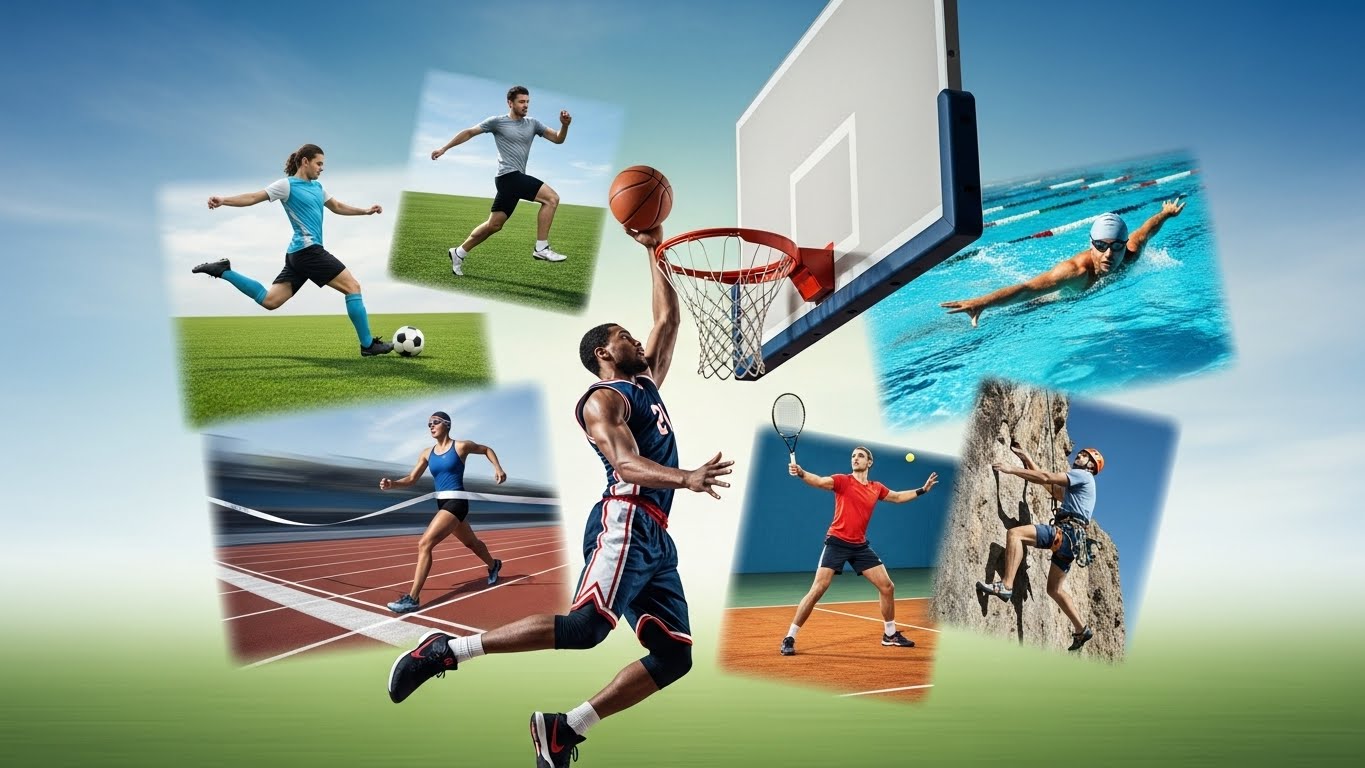
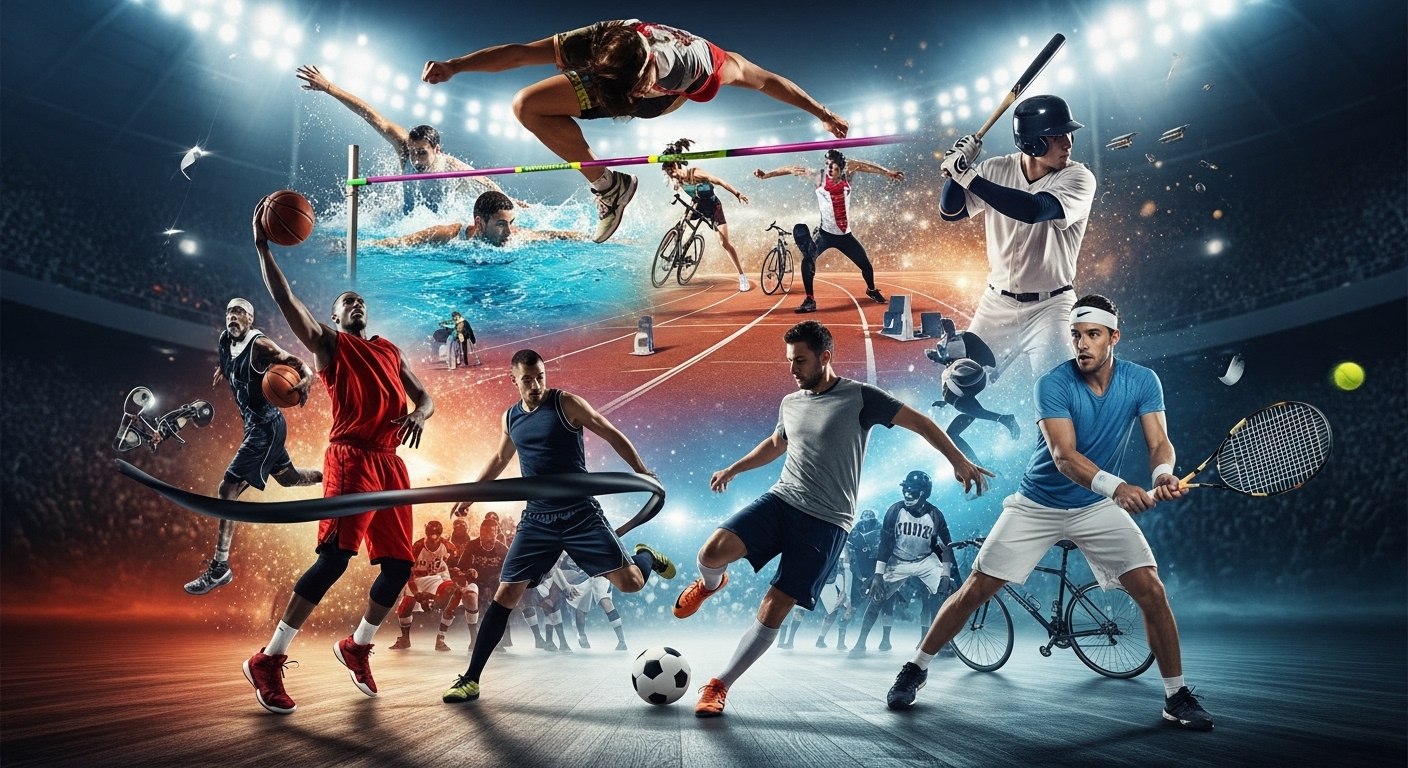
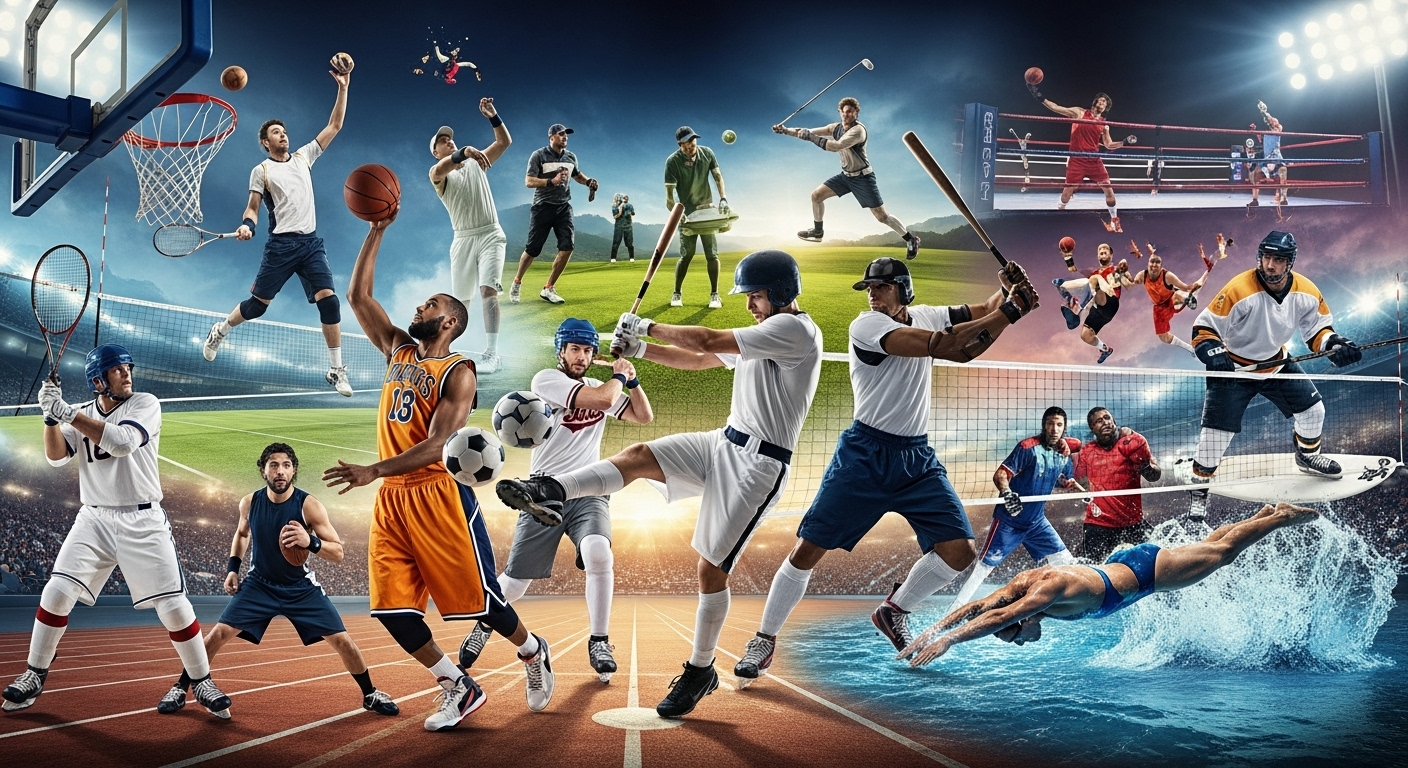
Sports have long been a fundamental part of human culture, transcending boundaries and uniting people from different walks of life. From small-town amateur leagues to massive global spectacles, sports offer a unique blend of entertainment, competition, and community. Whether you’re playing a game of basketball with friends, watching a soccer match on TV, or attending the Super Bowl, the impact of sports is undeniable. Beyond their role as a source of entertainment, sports are powerful agents of change, influencing society, shaping economies, and improving personal well-being. This post explores how sports have evolved into a global phenomenon and how they shape not only our physical and mental health but also the fabric of society itself.
The Role of Sports in Physical Health
Physical activity has always been one of the most significant benefits of participating in sports. Whether it’s running, swimming, playing football, or cycling, sports help improve cardiovascular health, muscle strength, and overall physical fitness. For children, involvement in sports helps with growth and development, improving motor skills, hand-eye coordination, and flexibility. As children grow into teenagers and adults, the discipline instilled through sports fosters the development of lifelong habits of physical activity.
Sports also play a crucial role in preventing chronic conditions such as obesity, diabetes, and heart disease. Regular participation in physical activity helps maintain a healthy weight and keeps the body strong. Engaging in sports helps to lower blood pressure, boost metabolism, and increase overall stamina. For adults, staying active through sports can significantly reduce the risk of age-related ailments such as osteoporosis, arthritis, and cognitive decline.
Moreover, sports also teach valuable lessons in self-care, nutrition, and injury prevention. Athletes often work closely with trainers, doctors, and nutritionists to optimize their health. These practices trickle down to casual athletes and even recreational players, who learn about the importance of warm-ups, proper stretching, and balanced diets.
Mental Health and Sports: Building Resilience
While the physical benefits of sports are well known, the mental health advantages are just as significant. Sports help reduce stress and anxiety, providing a positive outlet for emotions and fostering mental clarity. Physical activity triggers the release of endorphins, which are natural mood boosters. This leads to feelings of happiness and well-being, making sports an effective way to combat mental health issues such as depression and anxiety.
The focus required to play a sport also helps distract from daily stressors, providing players with an opportunity to clear their minds and focus on something positive. Whether it’s the mental intensity of playing a game or the strategic thinking required to compete, sports provide an opportunity for mindfulness, which can be an excellent form of stress relief.
In addition, sports promote discipline, perseverance, and emotional regulation. The challenges of competition—whether it’s facing an opponent, overcoming personal setbacks, or striving for improvement—teach individuals how to build resilience. Athletes often learn to cope with failure, manage setbacks, and turn adversity into motivation for future success. These lessons in resilience extend beyond the playing field, helping individuals tackle challenges in other aspects of their lives, such as in their careers and personal relationships.
The Social Impact of Sports: Bridging Divides
One of the most powerful aspects of sports is its ability to bring people together. No matter where you are in the world, sports have a way of uniting people of all ages, races, and backgrounds. The shared love of a sport can create a sense of community, whether it’s cheering for a local team, bonding over a game, or participating in a recreational league. The social aspects of sports often go hand in hand with their physical benefits, creating an atmosphere of fun, camaraderie, and teamwork.
On a larger scale, sports also play a significant role in bridging societal divides. Major international sporting events such as the FIFA World Cup, the Olympics, and the Rugby World Cup bring people together across countries and cultures. These events provide opportunities for global unity, where individuals from different nations can celebrate the spirit of sport, regardless of political or social differences.
In many parts of the world, sports also serve as a means of social mobility. For many individuals, especially in underprivileged communities, sports can provide a path to success and recognition. Athletes who succeed on the field often become role models and symbols of hope for others who may face economic or social challenges. For some, sports offer a way out of poverty, giving young people a chance to pursue a career and gain access to better educational and social opportunities.
The Economic Power of Sports
The economic impact of sports is far-reaching, encompassing everything from job creation to local and global business ventures. The sports industry generates billions of dollars annually, contributing to a significant portion of the global economy. Professional sports leagues such as the National Football League (NFL), National Basketball Association (NBA), and Major League Baseball (MLB) generate revenue from ticket sales, broadcasting deals, sponsorships, and merchandise.
Large-scale sporting events such as the Olympic Games and the FIFA World Cup have massive economic implications for the host country. These events not only generate revenue directly from ticket sales, tourism, and media rights but also stimulate local economies through infrastructure development, job creation, and long-term tourism. The 1992 Barcelona Olympics, for example, transformed the city into a global tourist destination, creating thousands of jobs and boosting the local economy for decades.
Furthermore, sports have a major impact on the advertising industry. Sports sponsorships, endorsements, and advertising during major sporting events provide opportunities for brands to connect with massive audiences. Athletes like Michael Jordan, Cristiano Ronaldo, and Serena Williams become global icons and influence consumer behavior through their endorsements, further adding to the economic impact of sports.
Women in Sports: A Changing Landscape
Historically, sports have been dominated by men, with women often excluded or sidelined in many areas of athletics. However, the landscape of women’s sports has been evolving rapidly, and today, female athletes are breaking barriers and achieving significant success. The rise of women’s sports leagues, such as the Women’s National Basketball Association (WNBA), the Women’s Premier League in soccer, and the women’s tennis circuit, has created a platform for female athletes to showcase their talents and gain recognition on the world stage.
Female athletes such as Serena Williams, Simone Biles, and Mia Hamm have become icons, not only for their athletic achievements but also for their advocacy in pushing for gender equality in sports. Their success has challenged the notion that women’s sports are any less exciting or important than their male counterparts. Increased media coverage, sponsorship deals, and the development of women’s professional leagues are helping to level the playing field and provide more opportunities for women in sports.
Despite the progress, challenges remain. Gender disparity in pay, media representation, and resources for female athletes continues to persist in many areas. However, the growing visibility and success of women’s sports offer hope that future generations of female athletes will face fewer barriers and be able to pursue their dreams with greater opportunities and support.
Technology and Innovation in Sports
In recent years, technology has transformed nearly every aspect of sports. From performance tracking and wearable technology to advances in broadcast media, the integration of technology in sports has created new opportunities for athletes and fans alike. Coaches now use data analytics and video analysis to develop strategies, track athlete performance, and gain insights into their opponents. Wearables such as fitness trackers, smart shoes, and heart rate monitors allow athletes to monitor their health and performance in real-time, optimizing their training and recovery regimens.
In addition, the fan experience has been revolutionized by technological advancements. Virtual reality (VR) and augmented reality (AR) are becoming integral to enhancing how fans experience games, offering new ways to engage with the action. Broadcast technology now offers higher-definition video and even multiple camera angles, allowing fans to feel more connected to the games. On the digital front, social media platforms have become a critical tool for athletes to engage directly with their fans, creating more intimate connections between sports figures and their audiences.
Esports, or competitive video gaming, is another area where technology has opened up new frontiers in sports. What started as a niche hobby has rapidly transformed into a global industry, with professional leagues, streaming platforms, and large-scale tournaments. Esports have introduced a new generation of fans and athletes to the world of competition, bringing gaming into the mainstream of global sports culture.
Conclusion: Sports as a Lifelong Journey
Sports are more than just games; they are powerful tools that shape our physical and mental well-being, foster social connections, and drive economic growth. The impact of sports on individuals and society is immeasurable, influencing everything from personal health to global politics. As sports continue to evolve in the digital age, the ways in which they impact our lives will only grow more profound.
From local pick-up games to the grand stages of international competitions, sports offer a unique space for growth, unity, and empowerment. Whether you’re an elite athlete, a weekend warrior, or a devoted fan, the transformative power of sports can enrich lives and change the world.