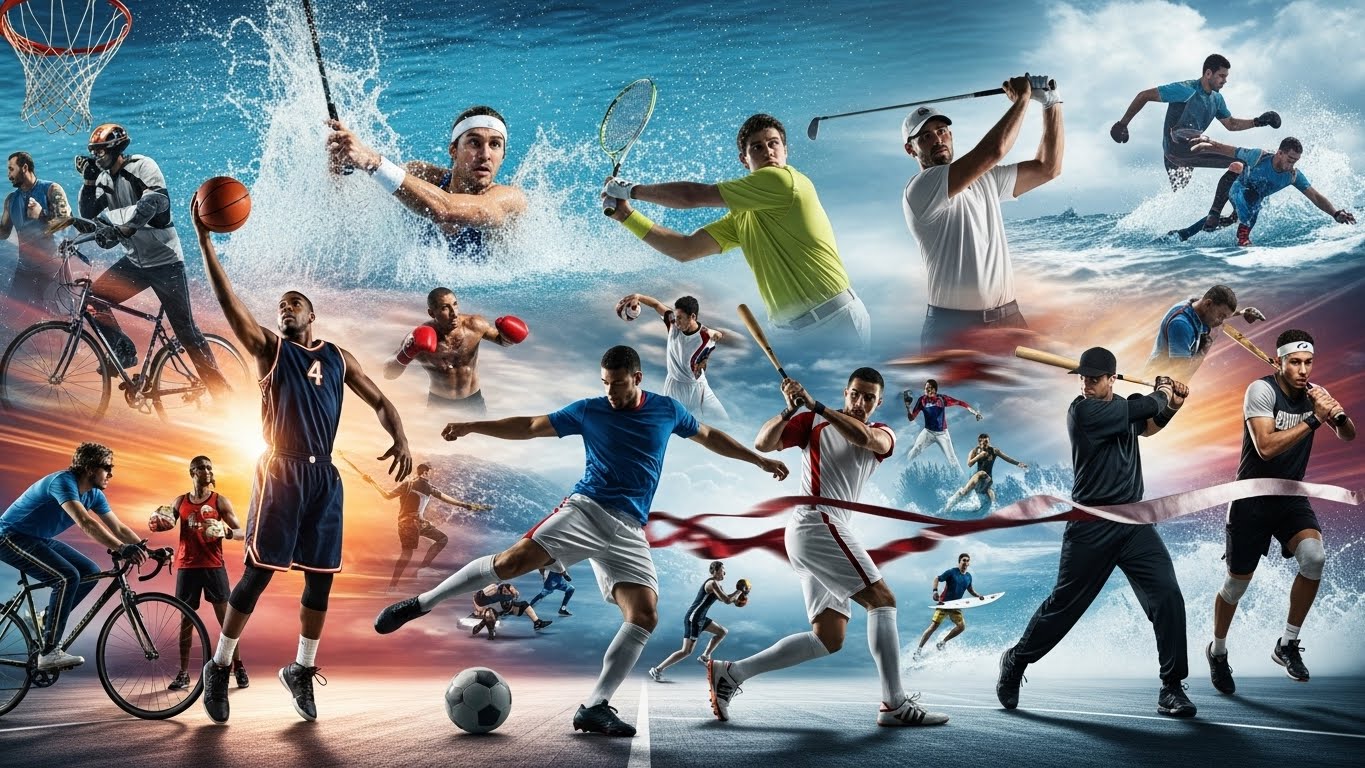

Sports have been an integral part of human civilization for centuries. From the ancient Olympic Games in Greece to modern-day global tournaments, sports reflect the human spirit, ambition, and drive for excellence. They are more than just competitions; they are a mirror of culture, a medium for social cohesion, and a platform for inspiring stories that resonate with millions across the globe.
The Historical Roots of Sports
The history of sports is as old as civilization itself. Early societies used physical contests to prepare for hunting and warfare. Ancient civilizations like Greece, Rome, and Egypt celebrated athletic prowess through festivals and competitions. The Greeks, in particular, held the Olympics every four years starting in 776 BC, emphasizing not only physical excellence but also moral and intellectual development. These ancient games were not merely about winning; they celebrated human potential and unity, themes that remain relevant today.
As societies evolved, so did sports. Medieval Europe saw jousting tournaments and archery contests, while indigenous communities across the Americas, Africa, and Asia developed their own forms of traditional sports. Over time, these competitions transformed into structured games with rules, organizations, and international appeal. Today, sports are global spectacles, but their essence—a celebration of skill, strategy, and spirit—remains unchanged.
The Physical and Mental Benefits of Sports
Engaging in sports provides benefits that extend far beyond the physical realm. On a physical level, sports help maintain cardiovascular health, improve strength and endurance, enhance flexibility, and reduce the risk of chronic diseases. Regular participation in sports can lead to better overall fitness, weight management, and improved immunity, making it an essential component of a healthy lifestyle.
However, the mental benefits of sports are equally significant. Participation in sports enhances focus, discipline, and time management skills. Athletes learn to cope with pressure, overcome setbacks, and maintain a positive mindset. Team sports, in particular, foster social skills, cooperation, and leadership. The thrill of a hard-fought victory or the lessons learned from defeat contribute to emotional growth and resilience. Sports, therefore, cultivate both the body and the mind, creating well-rounded individuals who are better equipped to face life’s challenges.
Sports as a Unifying Force
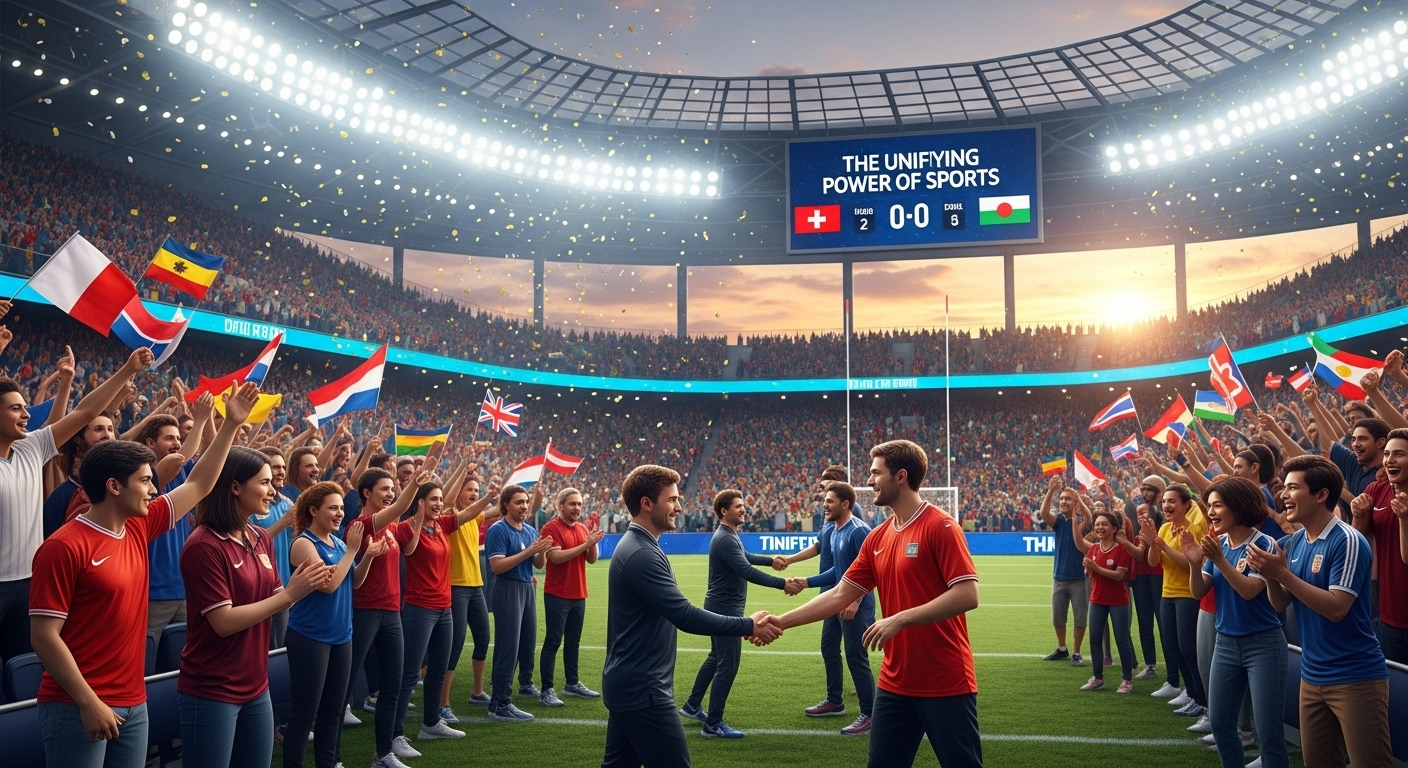
One of the most remarkable aspects of sports is its ability to unite people from diverse backgrounds. Whether it’s a local football match, a national championship, or the World Cup, sports bring individuals together in a shared experience of excitement and passion. Fans cheer for their teams, athletes inspire communities, and national pride is often at its peak during international tournaments.
Sports also bridge cultural, political, and social divides. Events like the Olympics showcase athletes from countries with differing ideologies competing peacefully on a global stage. Cricket tournaments in South Asia, rugby matches in New Zealand, and basketball leagues in the United States create communal experiences that transcend race, religion, and language. In this sense, sports act as a universal language that fosters understanding, cooperation, and harmony among people.
The Evolution of Modern Sports
Modern sports have undergone significant transformation over the last century. Advancements in technology, training methods, and media coverage have revolutionized the way sports are played and consumed. Professional leagues, international tournaments, and live broadcasts have elevated sports from local entertainment to global spectacles.
Technology has played a crucial role in enhancing performance and fairness. Innovations such as video refereeing, wearable fitness trackers, and data analytics allow athletes and coaches to refine strategies, monitor performance, and prevent injuries. Sports science has provided insights into nutrition, recovery, and mental conditioning, helping athletes reach their peak potential. Meanwhile, media and social platforms have allowed fans to engage with sports in real-time, creating communities that celebrate achievements and analyze games together.
Iconic Athletes and Their Impact
The world of sports is shaped by the extraordinary stories of athletes who have transcended their disciplines. Icons like Muhammad Ali, Serena Williams, Lionel Messi, and Usain Bolt are not only celebrated for their athletic accomplishments but also for their resilience, character, and influence beyond the field.
Muhammad Ali, for instance, was not just a boxing legend but also a social activist who used his platform to advocate for civil rights and justice. Serena Williams has broken barriers in tennis, inspiring generations of female athletes with her dominance, determination, and advocacy for equality. Lionel Messi and Cristiano Ronaldo have elevated football to an art form, while Usain Bolt redefined speed and athleticism on a global scale. These athletes show that sports have the power to shape culture, challenge stereotypes, and inspire millions to pursue their dreams.
The Role of Youth in Sports Development
Youth participation is the foundation of future sports excellence. Encouraging young people to engage in sports instills discipline, teamwork, and a strong work ethic. Schools, clubs, and community programs play a vital role in nurturing talent, teaching essential skills, and fostering a love for sports.
Youth sports also have broader societal benefits. They reduce the risk of juvenile delinquency, improve mental health, and enhance social integration. Moreover, young athletes often become role models in their communities, inspiring peers to stay active and adopt healthy lifestyles. Investment in youth sports is, therefore, an investment in the future of both individuals and society.
Challenges in the World of Sports
Despite its many benefits, the world of sports faces several challenges. One major concern is the commercialization of sports, which sometimes prioritizes profits over ethics and fair play. Sponsorship pressures, media attention, and financial incentives can lead to issues like corruption, doping, and exploitation of athletes.
Another challenge is inequality in access and representation. Women’s sports, athletes from marginalized communities, and players in less popular sports often struggle for recognition, funding, and opportunities. Addressing these disparities requires conscious efforts from governing bodies, media, and society to promote inclusivity and fairness.
Additionally, the rise of technology has introduced new debates. While tools like instant replays and performance trackers enhance fairness, they also spark controversies about reliance on machines versus human judgment. Balancing tradition with innovation remains an ongoing challenge for the sports industry.
The Future of Sports
The future of sports promises exciting innovations and opportunities. Esports, for example, is redefining competitive gaming and attracting a new generation of fans. Virtual reality and augmented reality may soon transform how we experience and interact with sports, offering immersive viewing and training experiences.
Sustainability is also becoming a priority, with sports organizations adopting eco-friendly practices, reducing carbon footprints, and promoting social responsibility. The future will likely see a greater emphasis on inclusivity, mental health awareness, and community engagement, ensuring that sports remain a positive force for society.
Sports as a Source of Inspiration
Ultimately, sports inspire us because they embody the human spirit. They teach us to dream big, work hard, and persevere despite obstacles. A single moment—a last-minute goal, a marathon finish, or a record-breaking sprint—can ignite passion, evoke emotions, and create lasting memories. Sports remind us that success is not solely about talent but also about dedication, teamwork, and courage.
Every athlete, from a local runner to an Olympic champion, contributes to this collective narrative. Fans, coaches, and communities also play their part in celebrating and supporting these stories. Together, they form a vibrant ecosystem where determination meets opportunity, and dreams transform into reality.
Conclusion
Sports are far more than a form of entertainment; they are a testament to human resilience, creativity, and unity. They connect people across cultures, inspire generations, and teach invaluable life lessons. From ancient traditions to modern innovations, sports continue to evolve while preserving their core values of excellence, fair play, and perseverance.
In a world often divided by differences, sports serve as a unifying force, reminding us of our shared humanity. They celebrate the extraordinary potential within all of us—the drive to push boundaries, the courage to overcome challenges, and the joy of striving for greatness. Whether played on a local field or witnessed on a global stage, sports remain a timeless symbol of inspiration, connection, and the unstoppable human spirit.