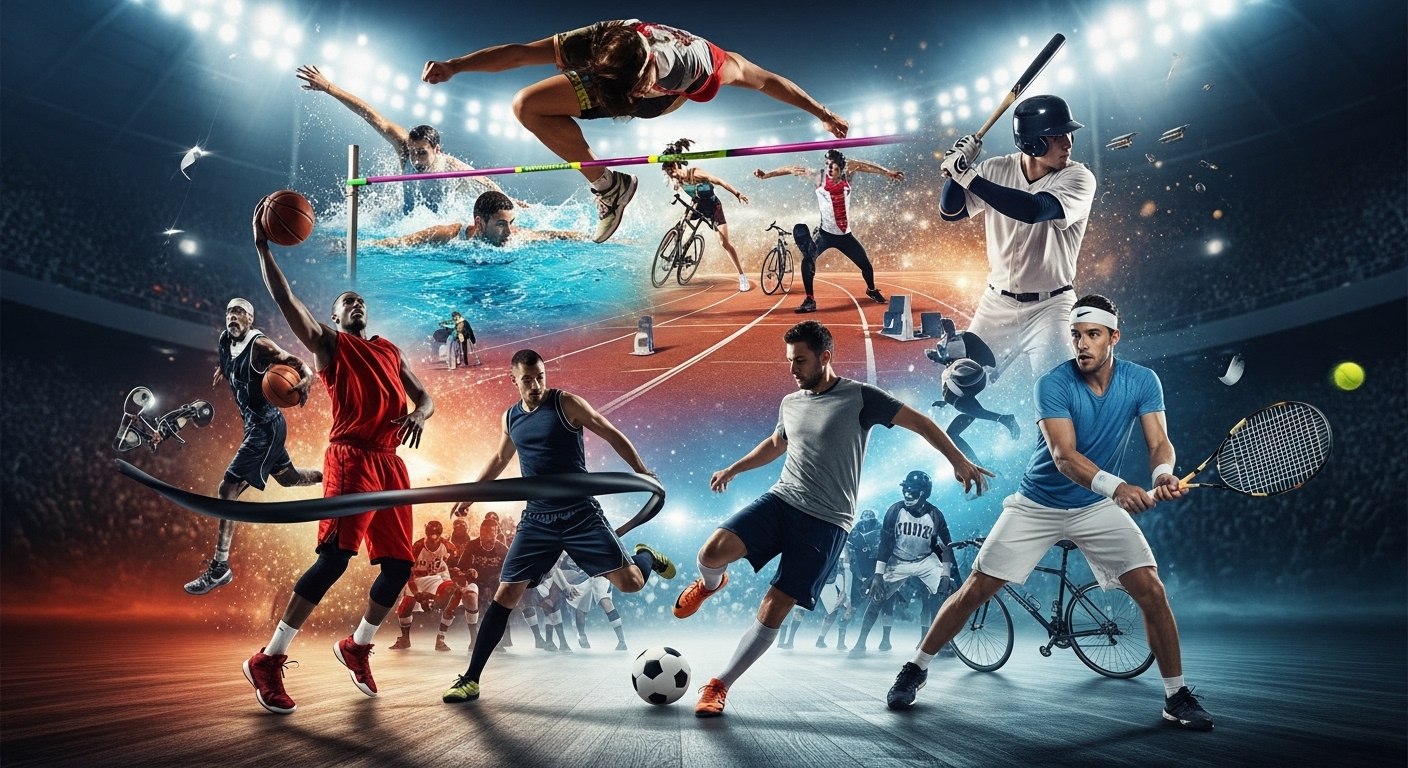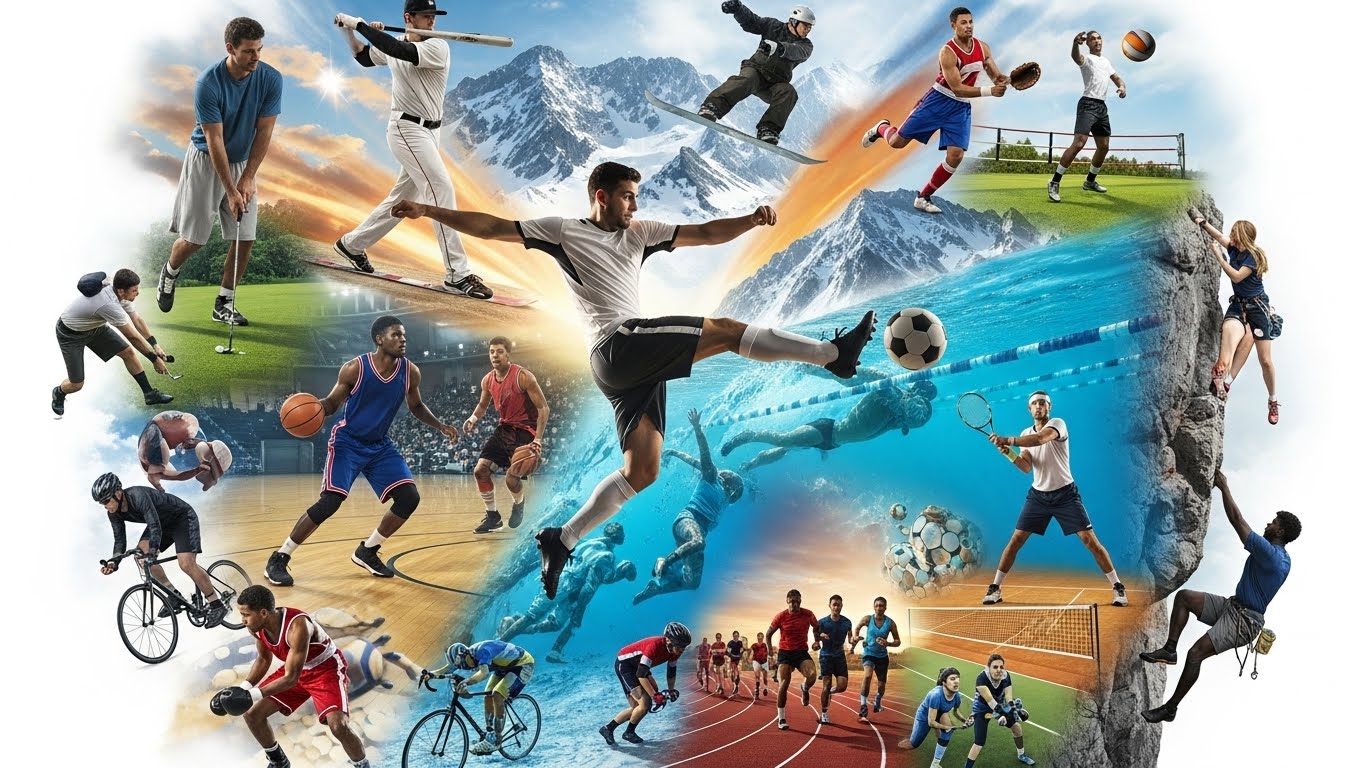
Sports have been an integral part of human civilization for centuries. From ancient competitions in Greece to modern global tournaments, sports have always reflected human passion, perseverance, and ambition. They not only entertain but also teach essential life skills, foster community spirit, and inspire individuals to push their limits. In this blog, we delve deep into the multifaceted world of sports, exploring its significance, evolution, major categories, and the impact it has on individuals and societies.
The Historical Roots of Sports
The history of sports stretches back thousands of years. Ancient civilizations, including the Greeks, Egyptians, and Chinese, had organized physical competitions that went beyond mere entertainment. In ancient Greece, the Olympic Games were held in Olympia every four years, celebrating human strength, skill, and excellence. Events like running, wrestling, discus throwing, and chariot racing were not just contests but also spiritual and cultural expressions.
In other parts of the world, traditional sports played a central role in society. Ancient China emphasized martial arts and archery, both as military training and public competition. In medieval Europe, tournaments and jousting matches showcased the prowess of knights while providing communal entertainment. These historical roots reveal that sports have always been deeply intertwined with culture, identity, and societal values.
The Universal Appeal of Sports
One of the most remarkable aspects of sports is their universal appeal. Across continents, languages, and cultures, sports serve as a common language. Whether it is soccer in Brazil, cricket in India, basketball in the United States, or rugby in New Zealand, people from diverse backgrounds share the excitement of games, the joy of victory, and the agony of defeat.
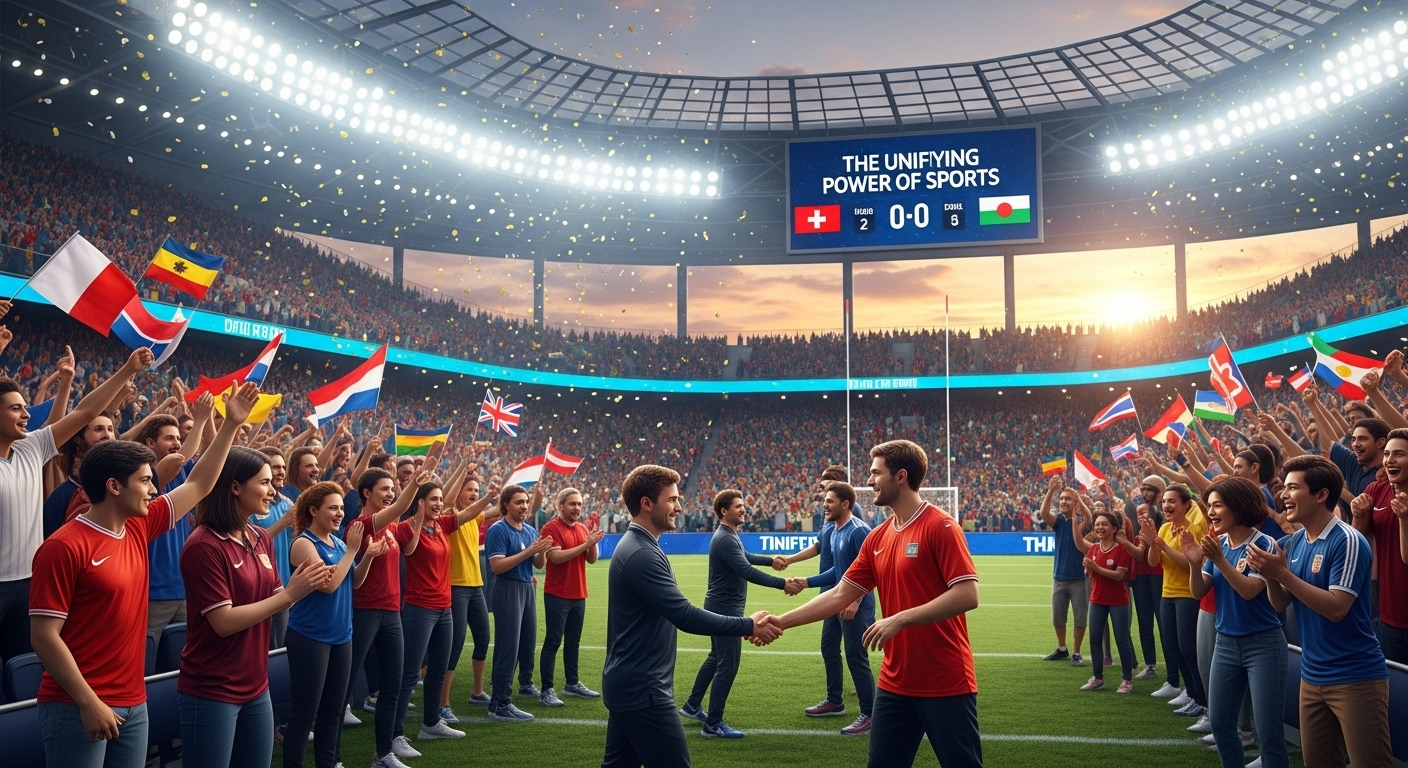
Sports bring people together, transcending differences of nationality, religion, and ethnicity. They foster a sense of belonging and collective identity. Fans celebrate victories as if they were their own and mourn losses with empathy, creating a shared emotional experience that few other activities can replicate.
Major Categories of Sports
Sports can be broadly categorized into several types, each with its unique rules, skills, and appeal. Understanding these categories helps appreciate the diversity and richness of athletic competition.
1. Team Sports
Team sports involve coordination, strategy, and cooperation. Soccer, basketball, volleyball, and cricket are prime examples. Team sports teach players how to work together, communicate effectively, and support each other under pressure. Success is not only about individual talent but also about collective synergy.
Soccer, the world’s most popular sport, captivates billions with its simplicity and unpredictability. Basketball thrills fans with fast-paced action and spectacular displays of athleticism. Cricket, particularly in countries like India and Australia, creates entire seasons of emotional engagement and national pride.
2. Individual Sports
Individual sports focus on personal skill, endurance, and mental toughness. Tennis, athletics, swimming, boxing, and gymnastics are examples. In these sports, athletes bear the full responsibility for their performance, making mental resilience as crucial as physical ability.
Tennis legends like Serena Williams and Roger Federer exemplify the dedication, precision, and perseverance needed to succeed at the highest level. Track and field athletes, through sheer speed and endurance, inspire millions to dream beyond physical limitations.
3. Adventure and Extreme Sports
Extreme sports have gained immense popularity in recent years. Activities like rock climbing, skydiving, snowboarding, and surfing push athletes to test their limits, often in high-risk environments. These sports combine adrenaline, skill, and courage, attracting thrill-seekers worldwide.
Adventure sports not only entertain participants but also encourage environmental awareness. Surfers, climbers, and hikers often develop a deep connection with nature, understanding its beauty and fragility.
4. Mind Sports
Mind sports, such as chess, e-sports, and bridge, require strategic thinking, problem-solving, and concentration. While they may not demand physical exertion, the mental rigor and competitive spirit are equally intense. E-sports, in particular, have transformed gaming into a professional arena, with tournaments offering massive prizes and global recognition.
The Science of Sports
Modern sports are not just about playing games; they are deeply rooted in science. Sports science integrates physiology, biomechanics, nutrition, and psychology to enhance performance and prevent injuries.
Athletes now rely on advanced training techniques, wearable technology, and data analytics to fine-tune every aspect of their game. Understanding biomechanics helps runners optimize stride, swimmers perfect their strokes, and gymnasts achieve flawless routines. Nutrition plays a pivotal role in recovery and endurance, while sports psychology ensures mental strength under competitive pressure.
The scientific approach has elevated the standards of sports, making records harder to break and competitions increasingly thrilling for fans.
The Role of Sports in Personal Development
Participating in sports shapes character and builds essential life skills. From discipline and time management to teamwork and resilience, sports provide lessons that extend far beyond the field.
Athletes learn to handle pressure, cope with setbacks, and celebrate achievements gracefully. The persistence required to master a sport instills confidence and a sense of accomplishment. Moreover, physical activity improves overall health, reduces stress, and enhances cognitive functions, making sports an essential component of holistic development.
Iconic Athletes Who Changed the Game
Throughout history, certain athletes have transcended sports, becoming global icons and sources of inspiration.
- Michael Jordan revolutionized basketball with his unparalleled talent and relentless work ethic, inspiring millions to chase greatness.
- Serena Williams redefined women’s tennis, showcasing power, grace, and determination, breaking barriers along the way.
- Usain Bolt, the fastest man in history, captivated the world with his speed, charisma, and sportsmanship.
- Muhammad Ali, not just a boxing champion but also a social activist, left an indelible mark on sports and society.
These athletes demonstrate that true greatness extends beyond trophies; it is about influence, perseverance, and the ability to inspire generations.
Sports as a Catalyst for Social Change
Sports have the power to address social issues and promote equality. Programs leveraging sports have successfully tackled poverty, encouraged gender equality, and fostered peace in conflict zones.
For instance, initiatives using football or basketball in underprivileged areas provide children with education, mentorship, and hope for a better future. Women’s participation in sports continues to challenge stereotypes, promoting empowerment and breaking barriers globally. The inclusive nature of sports ensures that everyone, regardless of background, can find a platform to excel.
Memorable Moments in Sports History
Sports history is filled with unforgettable moments that define generations. Legendary matches, record-breaking performances, and dramatic comebacks captivate fans and create lasting memories.
- The “Miracle on Ice” during the 1980 Winter Olympics, where the underdog U.S. hockey team defeated the dominant Soviet Union, remains iconic.
- Usain Bolt’s world records in 100m and 200m sprints set a new benchmark for speed and athleticism.
- Cricket’s dramatic World Cup finals have produced moments of tension and jubilation, etching themselves into the sport’s rich tapestry.
These moments remind us why sports are not merely games—they are emotional, cultural, and historical experiences.
The Future of Sports
The future of sports promises innovation and evolution. Technology, including virtual reality, artificial intelligence, and advanced analytics, will continue to reshape training, gameplay, and fan engagement. E-sports and online competitions are bridging physical and digital boundaries, attracting new audiences and redefining what it means to be an athlete.
Sustainability will become increasingly important, with sports organizations adopting eco-friendly practices for stadiums, tournaments, and equipment. Moreover, the push for inclusivity and equality will ensure that future generations have broader access to sports opportunities.
Conclusion: More Than Just a Game
Sports are far more than entertainment; they are a reflection of human spirit, creativity, and determination. They inspire, challenge, and unite people, creating stories that transcend time and borders. Whether through the skill of individual athletes, the strategy of team play, or the thrill of extreme challenges, sports continually remind us of the potential within ourselves.
As we look to the future, the power of sports to educate, empower, and connect remains undeniable. From local playgrounds to international arenas, sports will continue to shape our lives, enrich our communities, and define the very essence of human achievement.